Kids Club Quality Score Calculator
Answer questions about a kids club to calculate its overall quality score. Each category is weighted equally. Hover over the ? icons for guidance from the article.
Safety & Staffing
0/3Activities & Learning
0/3Environment & Space
0/3Communication
0/3Inclusivity & Social Dynamics
0/3Nutrition & Wellbeing
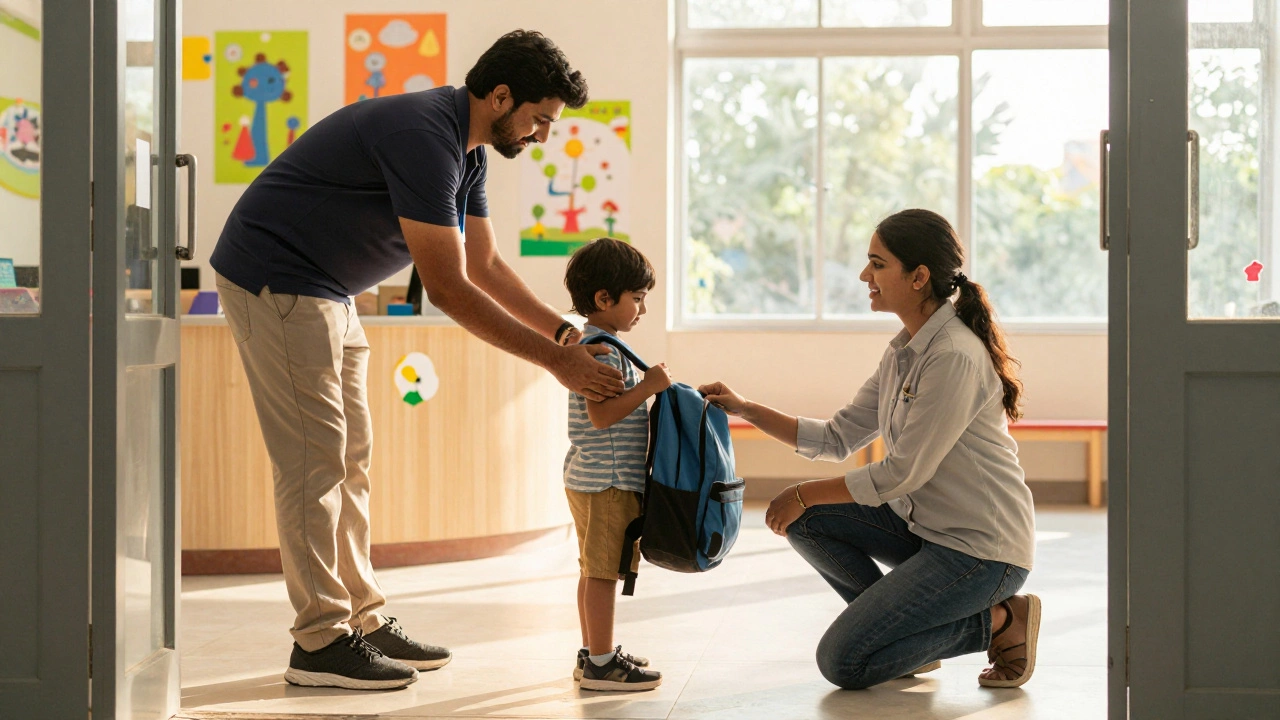
0/3You drop your child off at the gate, hand over the bag, and take a deep breath. For the next few hours, they are in someone else’s hands. It is a moment that triggers a specific kind of anxiety for every parent. You want them to have fun, yes, but you also want them to be safe, engaged, and perhaps even learn something without feeling like they are just sitting in another classroom.
Finding the right after-school club isn't just about filling the gap between school dismissal and dinner time. It is about finding a space where your child feels seen. A good kids club does more than supervise; it nurtures. But how do you tell the difference between a place that simply watches children and one that actually enriches their lives? Let's break down exactly what makes a program stand out, so you can make a choice with confidence rather than guesswork.
The Non-Negotiables: Safety and Staffing
Before we talk about robotics kits or art projects, we need to talk about the foundation. If the safety protocols are shaky, nothing else matters. In Sydney, and across Australia, regulations are strict, but not all providers meet the bare minimum with enthusiasm. A top-tier kids club treats safety as an active practice, not just a paperwork exercise.
Start by looking at the staff-to-child ratio. The National Quality Framework (NQF) sets legal limits, but the best clubs often exceed them. Why? Because when a supervisor is managing twenty-five energetic seven-year-olds, supervision becomes reactive. When they are managing fifteen, it becomes proactive. You want staff who notice when a child is quiet in the corner, not just those who count heads during roll call.
- Qualifications: Look for staff with early childhood diplomas or degrees. They understand developmental milestones.
- Background Checks: Ensure every employee has a current Working with Children Check (WWCC). This should be displayed or readily available upon request.
- Training: Ask if staff receive regular training in first aid, behavioral management, and inclusive education.
Pay attention to how the staff interact with the children. Do they get down to eye level? Do they use names? A good indicator is whether the adults seem genuinely interested in the children's activities or if they are hovering nearby on their phones. The culture of care starts with the people hired to deliver it.
Beyond Supervision: Play-Based Learning
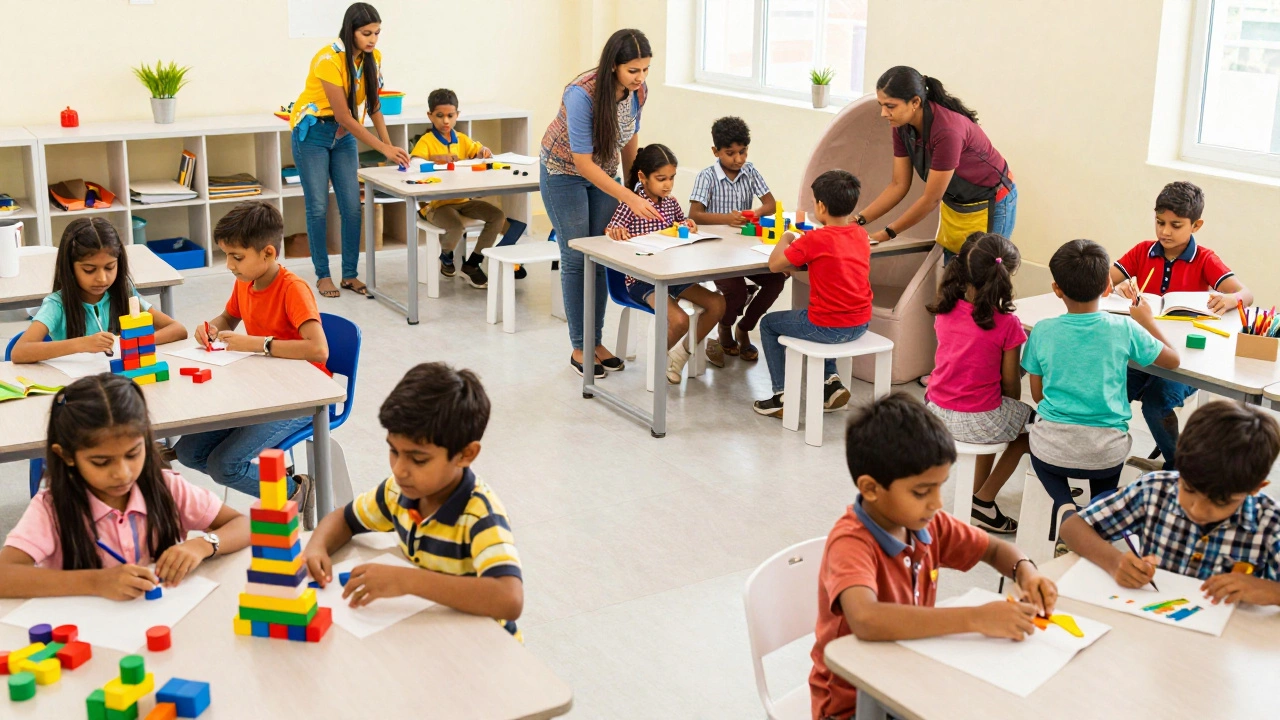
School is structured. After-school care should not be a continuation of rigid instruction. The magic of a great kids club lies in play-based learning. This is where children explore, experiment, and solve problems through play. It sounds simple, but it requires skilled facilitation.
A mediocre club offers a TV room and a playground. A good club offers a messy kitchen, a construction zone, and a quiet reading nook. They provide materials that invite creativity-clay, paint, building blocks, musical instruments-not just pre-packaged toys that do all the work for the child.
Consider the balance of structure and freedom. Some days, your child needs unstructured time to run around and burn off steam. Other days, they might thrive in a guided activity like a science experiment or a drama workshop. The best programs offer a mix. They allow children to choose their activities while providing gentle scaffolding to help them push past their comfort zones. If your child comes home talking about a project they built or a game they invented, you know the programming is working.
The Environment: Space That Speaks
Walk into the facility. What do you feel? Is it chaotic and loud, or is there a sense of calm order? The physical environment plays a huge role in behavior regulation. Cluttered spaces with too many choices can overwhelm children, leading to frustration and conflict. Clean, organized spaces with clear boundaries help children feel secure.
Look for natural light and access to the outdoors. In Australia, we value our connection to nature. A kids club that integrates outdoor play-even on cooler days-is making a positive choice for your child's health. Green spaces reduce stress and encourage gross motor skill development. Does the club have a garden? Do they grow vegetables? These small touches show a commitment to holistic well-being.
Also, check the hygiene standards. Are the toilets clean? Is the food preparation area spotless? These details matter. A dirty environment suggests a lack of respect for the children and their families. It is a red flag that should not be ignored.
| Feature | Basic Care Provider | High-Quality Kids Club |
|---|---|---|
| Staff Ratio | Meets legal minimum (1:10) | Exceeds minimum (1:8 or better) |
| Activities | Passive (TV, free play) | Active & Creative (STEM, arts, sports) |
| Communication | Weekly newsletter | Daily digital updates with photos |
| Outdoor Access | Limited / Weather dependent | Regular integrated outdoor play |
| Inclusivity | General accommodations | Individualized support plans |
Inclusivity and Social Dynamics
Kids clubs are microcosms of society. Your child will interact with peers from different backgrounds, abilities, and family structures. A good program actively fosters inclusivity. It doesn't just tolerate differences; it celebrates them.
Ask how the club handles bullying or exclusion. Do they have a clear policy? Do staff intervene immediately? Peer relationships are complex, and children need adult guidance to navigate them. Staff who model empathy and kindness set the tone for the entire group.
Also, consider how the club supports children with additional needs. Does the staff have experience supporting neurodiverse children? Are there sensory-friendly spaces? Inclusive education benefits everyone. When children learn to adapt to different needs, they become more compassionate and resilient. A truly good kids club ensures that every child, regardless of ability, feels they belong.
Communication: The Bridge Between Home and Club
You won't be there all day, so communication is your lifeline. The best clubs use technology to keep parents informed without being intrusive. Daily reports via apps like Storypark or HiMama are becoming standard. These platforms allow staff to share photos, meals eaten, naps taken, and key moments of learning.
But don't just look for the tech. Look for the quality of the communication. Are the notes generic, or do they reflect your child's individual experiences? "Sam played outside" tells you little. "Sam worked with Leo to build a tower using blocks, showing great patience" tells you everything.
Open-door policies are also important. Can you visit unexpectedly? Do they hold regular parent-teacher conferences? Transparency builds trust. If a provider hides behind closed doors or vague answers, proceed with caution. You are partners in your child's care.

Nutrition and Wellbeing
After a long day at school, your child is likely hungry. A good kids club understands that nutrition fuels learning and mood. Avoid places that rely heavily on packaged snacks, sugary drinks, or fast food. Look for fresh, healthy options that align with the Australian Dietary Guidelines.
Do they offer fruit, vegetables, and whole grains? Do they accommodate dietary restrictions and allergies with care? Food should be presented positively. Mealtime is a social opportunity, not just a refueling stop. Staff who eat with the children and model good eating habits make a significant difference.
Hydration is equally critical. Ensure water is always accessible. Dehydration leads to fatigue and irritability, which can disrupt the rest of the evening. Small details like these show a provider's attention to holistic health.
Cost and Value
Let's talk money. High-quality care is an investment. While price is a major factor, the cheapest option is rarely the best value. Consider what you are paying for. Are you getting qualified staff, rich resources, and peace of mind?
Check if the fee includes all materials, excursions, and meals. Hidden costs can add up quickly. Some clubs offer subsidies or flexible payment plans. Compare the total cost against the quality indicators we discussed. Sometimes, paying slightly more for a smaller ratio and better programming saves you stress in the long run.
Remember, this service supports your ability to work and your child's development. It is not just an expense; it is a partnership in raising a capable, happy human being.
Trust Your Gut
You can check every box on a list, but ultimately, trust your instincts. Visit the club at different times. Watch the interactions. Notice how your child reacts. Do they look forward to going? Do they come home relaxed and happy?
A good kids club feels like a second home. It is a place where your child is known, valued, and challenged in the right ways. Take your time. Ask questions. Demand transparency. Your child deserves the best start to their after-school adventure.
How do I know if the staff are qualified?
Ask to see copies of their qualifications and current Working with Children Checks. Look for staff with Early Childhood Education diplomas or degrees. Qualified staff should be able to explain their approach to child development and behavior management clearly.
What is a good staff-to-child ratio?
Under the National Quality Framework, ratios vary by age group. For preschool-aged children (3-5 years), the legal minimum is 1:5. For school-aged children, it is typically 1:10. However, high-quality centers often maintain lower ratios, such as 1:8, to ensure better supervision and engagement.
Should my child participate in structured activities?
A mix is ideal. Structured activities like sports or arts can build skills and confidence, but unstructured play is crucial for creativity and social development. Look for a program that offers both, allowing your child to choose based on their energy levels and interests each day.
How can I check the quality rating of a kids club?
In Australia, you can check the official rating on the 'Find an Approved Provider' website managed by the Australian Government. Ratings range from 'Working Towards NQF' to 'Exceeding NQF'. Higher ratings indicate stricter adherence to quality standards in areas like educational outcomes and physical environments.
What questions should I ask during a tour?
Ask about their daily routine, how they handle conflicts between children, their approach to inclusion, and their communication methods with parents. Also, inquire about their hygiene practices, meal plans, and how they integrate outdoor play into the schedule regardless of weather.