Outreach Goal Strength Analyzer
Why this matters: Vague goals lead to vague results. A successful program needs specific, measurable targets to prove worth to donors and stakeholders.
SMART Criteria Checklist
- S Specific
- M Measurable
- A Actionable
- R Relevant/Realistic
- T Time-bound
Goal Strength Score
Analysis Breakdown
Improved Version:
Common Transformations
"Increase awareness of mental health."
Vague, no target audience, no metric.
"Distribute 500 informational brochures to high schools in District 9 by Q3 2026."
Specific action, measurable quantity, clear location, deadline.
You have the budget. You have the team. You have the mission. So why does your latest campaign feel like shouting into a void? This is the reality for countless organizations trying to build bridges with their communities. A successful outreach program isn’t about how many flyers you hand out or how many emails you blast. It’s about whether anyone actually cares enough to listen.
We often mistake activity for impact. Sending newsletters doesn't mean you're communicating. Hosting an event doesn't mean you're connecting. The difference between a project that fizzles and one that transforms lies in shifting from a broadcast mindset to a relationship mindset. Let’s look at what actually moves the needle.
The Foundation: Listening Before Speaking
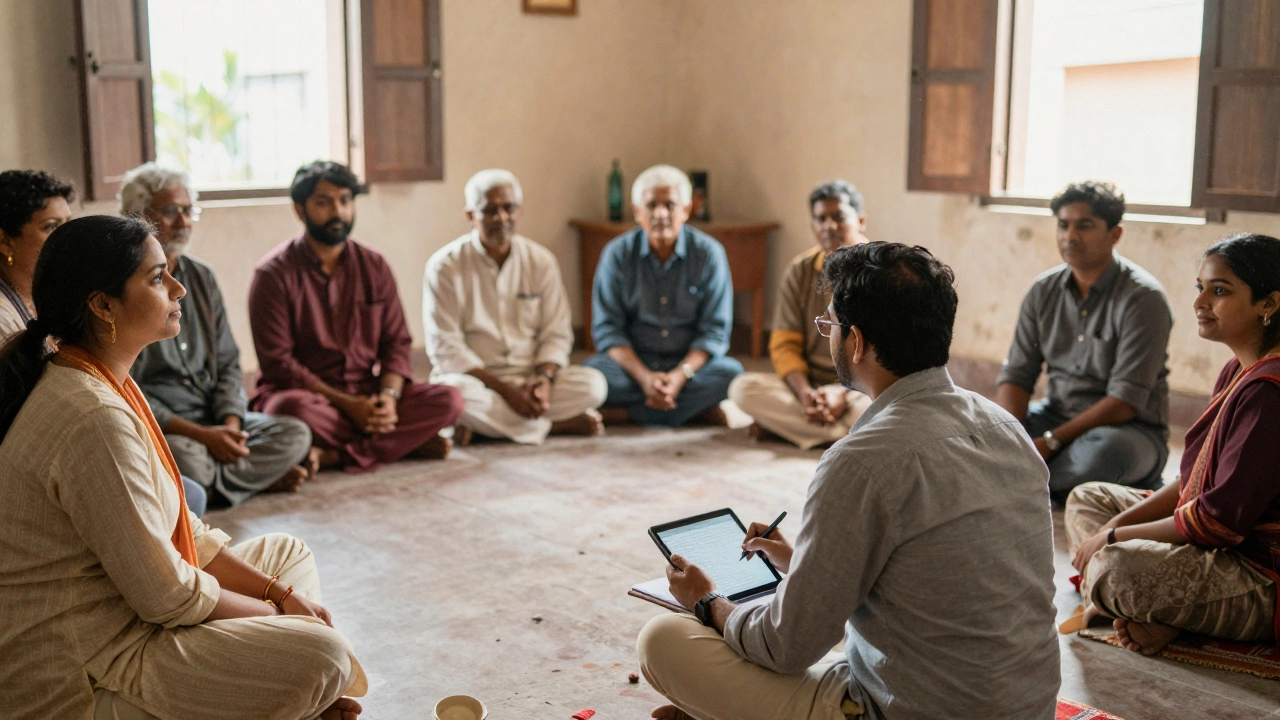
Needs Assessment is the process of identifying the specific problems, desires, and gaps within a target community before designing any solution. Most programs fail here because they assume they know what people need. They don’t.
Imagine you’re running a food bank. Your instinct might be to open more distribution hours. But if you talk to the families you serve, you might find the real barrier isn’t access-it’s transportation or shame. If you solve the wrong problem, you waste resources and erode trust.
- Conduct surveys: Use simple, mobile-friendly tools to ask direct questions. Don’t make people fill out ten-page forms.
- Hold listening sessions: Small group discussions reveal nuances that data misses. People share stories when they feel safe.
- Analyze existing data: Look at who *isn’t* showing up. Absence is data too.
This phase takes time, but it prevents the embarrassment of launching a program nobody wants. It grounds your strategy in reality, not assumptions.
Building Trust Through Consistency
Trust is the currency of outreach. Without it, your message has no value. In Sydney, where I’ve seen local councils struggle to engage multicultural neighborhoods, the biggest hurdle wasn’t language-it was skepticism. Communities have been promised change before. They’ve been ignored before. They won’t give you the benefit of the doubt just because you have a logo.
Community Trust is the belief held by residents that an organization acts with integrity, transparency, and genuine care for their well-being. It is built slowly and lost instantly.
To build this, you need consistency. Show up even when there’s no press release. Follow through on small promises. If you say you’ll send feedback by Friday, send it by Thursday. Reliability signals respect.
Also, partner with existing leaders. Don’t try to become the hero; empower the heroes already there. Local shop owners, religious leaders, and teachers hold the keys to credibility. When they vouch for you, the door opens.
Clear Goals and Measurable Impact
Vague goals lead to vague results. Saying “we want to help the community” isn’t a goal. It’s a wish. A successful program needs specific, measurable targets. This keeps your team focused and allows you to prove your worth to donors and stakeholders.
| Goal Type | Weak Example | Strong Example (SMART) |
|---|---|---|
| Awareness | Increase awareness of mental health. | Distribute 500 informational brochures to high schools in District 9 by Q3 2026. |
| Engagement | Get more people involved. | Recruit 20 new volunteer mentors for the youth coding workshop by August 2026. |
| Service Delivery | Help homeless individuals. | Provide housing assistance applications to 50 unsheltered individuals per month starting January 2027. |
Notice the difference? The strong examples tell you exactly what success looks like. If you miss the target, you know immediately that something went wrong with execution, messaging, or timing. You can adjust. With weak goals, you’re flying blind.

Tailoring Communication Channels
Where do you meet your audience? Not on every platform. That’s a recipe for burnout and diluted messages. Different demographics consume information differently.
- Older adults: May prefer direct mail, phone calls, or face-to-face interactions. Facebook remains strong here.
- Younger generations: Live on Instagram, TikTok, and Discord. Short-form video and interactive content work best.
- Professional networks: LinkedIn and industry newsletters are key for B2B or policy-focused outreach.
- Local residents: Community bulletin boards, local newspapers, and neighborhood apps like Nextdoor still drive action.
Don’t spread yourself thin. Pick two or three channels where your audience actually spends time. Master those. Be consistent. Then expand. Quality of engagement beats quantity of posts every time.
The Power of Two-Way Feedback Loops
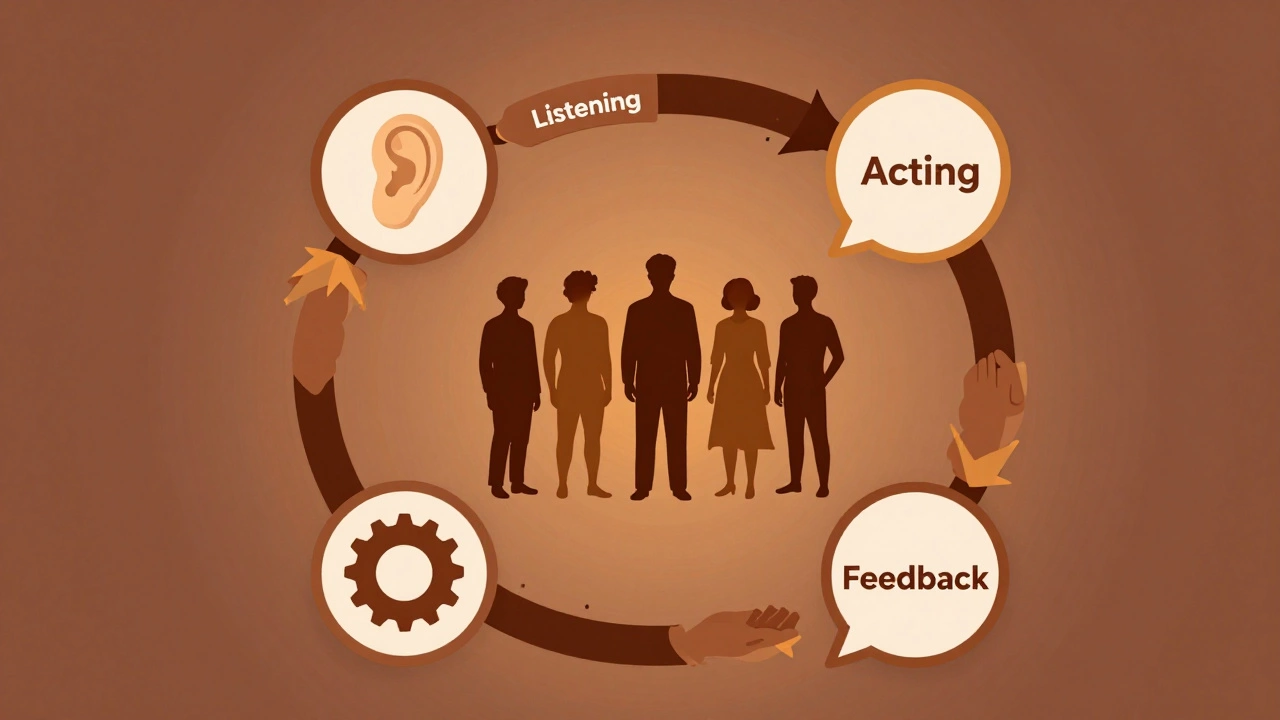
Most outreach is one-way: “Here is what we did.” Successful programs create loops: “Here is what we did. What did you think? How can we do better?”
Feedback Loop is a continuous cycle of collecting user input, analyzing it, making adjustments, and reporting back to the community. It turns passive recipients into active partners.
After an event, send a quick poll. After a service delivery, ask for a testimonial or suggestion. Then-and this is crucial-act on it. If people suggest changing meeting times to evenings, change them. Then announce that you changed them because *they* asked. This proves you’re listening. It builds ownership. People support what they help create.
Resource Allocation and Sustainability
Passion doesn’t pay bills. A great idea with no funding plan is a hobby, not a program. Successful outreach requires realistic budgeting and diverse revenue streams.
Relying on a single grant is risky. Diversify. Combine government funding, private donations, corporate sponsorships, and earned income if possible. Also, consider volunteer management as a resource issue. Burnout is real. Train volunteers well, recognize their efforts, and rotate responsibilities. A tired volunteer is a disengaged volunteer.
Plan for the long term. Can this program survive if the current director leaves? Document processes. Build systems. Make the program resilient to personnel changes.
Evaluating Success Beyond Numbers
Metrics matter, but they aren’t everything. Yes, track attendance, sign-ups, and funds raised. But also measure qualitative shifts.
- Storytelling: Collect personal narratives. Did someone’s life improve? How?
- Relationship depth: Are community members initiating contact now? Are they referring others?
- Policy influence: Did your outreach lead to changes in local regulations or practices?
Numbers show scale. Stories show significance. Both are needed for a complete picture. Share both in your reports. Donors love numbers. Communities love stories. Give them both.
How long does it take to build trust in a community?
There is no fixed timeline. Trust can take months or years to build, depending on the community's history and past experiences with outsiders. However, it can be destroyed in minutes by broken promises or insensitivity. Consistency and transparency are the fastest ways to accelerate trust-building.
What is the biggest mistake new outreach programs make?
The biggest mistake is assuming they know what the community needs without asking. This leads to misaligned solutions, wasted resources, and frustrated stakeholders. Always start with a needs assessment and involve community members in the design phase.
How can small organizations compete with larger ones in outreach?
Small organizations can leverage agility and personal connection. While large groups may have bigger budgets, they often lack the flexibility to adapt quickly or the ability to know residents by name. Focus on hyper-local engagement, personalized communication, and deep relationships with key influencers.
Is digital outreach enough, or do we still need face-to-face interaction?
Digital outreach is efficient for awareness, but face-to-face interaction is essential for trust and deep engagement. A hybrid approach works best. Use digital tools to reach broad audiences and schedule events, but prioritize in-person meetings for building relationships and resolving complex issues.
How do you measure the ROI of community outreach?
ROI in outreach includes both quantitative metrics (cost per acquisition, number of participants) and qualitative outcomes (improved community sentiment, policy changes). Track leading indicators like engagement rates and lagging indicators like long-term behavioral changes. Combine data with stories to present a holistic view of impact.