Volunteer Readiness & Barrier Assessment Tool
Assess Your Current Capacity
Select the option that best describes your current situation for each factor. This helps identify specific barriers mentioned in the article.
Your Results
Complete the assessment and click analyze to see your personalized volunteer readiness score and tailored recommendations.
The Quiet Crisis in Community Service
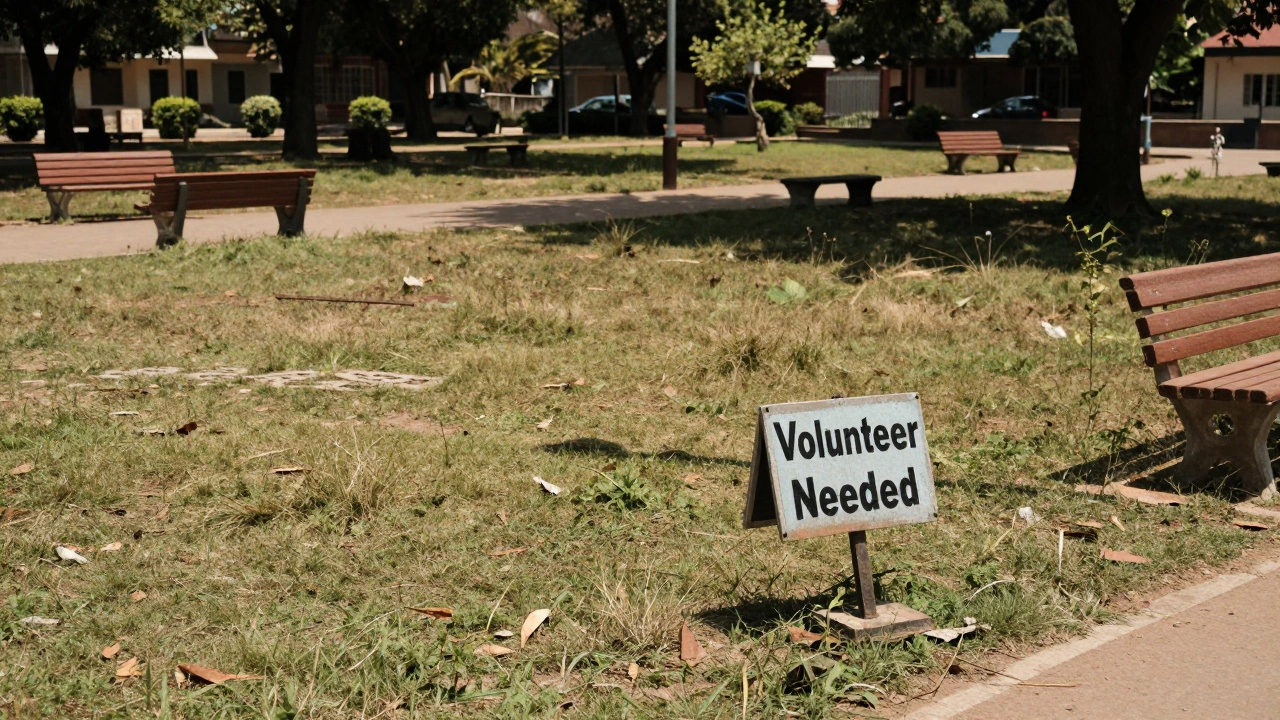
Walk through any neighborhood park or local food bank on a Saturday morning, and you might notice something unsettling: the usual crowd of helpers is thinner than it used to be. For decades, volunteerism was the unpaid contribution of time and skills to support communities and non-profits, serving as the backbone of social welfare systems worldwide. But recently, that backbone has started to crack. Across Australia and much of the developed world, participation rates are dropping. You might wonder why people who care about their communities are stepping back. The answer isn’t simple laziness or apathy. It’s a complex mix of economic pressure, shifting social habits, and organizational failures that have left many potential volunteers feeling disconnected or exhausted.
If you’re looking for volunteer opportunities but finding fewer people around, you aren’t alone. This decline affects everything from disaster relief efforts to youth mentorship programs. Understanding the root causes is the first step toward reversing the trend. Let’s look at what’s really driving this shift.
The Time Crunch: Economic Pressure and Overwork
The most obvious reason for the drop in volunteering is time-or rather, the lack of it. In Sydney, as in many major cities, the cost of living has skyrocketed. Many people are working longer hours just to keep up with rent and groceries. When your paycheck barely covers the basics, spending your limited free time helping others feels like a luxury you can’t afford. This phenomenon is often called "time poverty."
- Dual-income households: Both partners often work full-time, leaving little energy for extracurricular activities.
- Gig economy instability: Freelancers and contract workers face unpredictable schedules, making it hard to commit to regular shifts.
- Commuting costs: Longer travel times reduce available leisure hours significantly.
When survival takes precedence, civic engagement falls to the bottom of the priority list. It’s not that people don’t want to help; they simply don’t have the bandwidth. Organizations need to recognize this reality and offer flexible, low-commitment options rather than demanding rigid weekly slots.
Burnout and Compassion Fatigue
Another major factor is emotional exhaustion. We live in an age of constant crisis awareness. From climate change reports to global conflicts, news feeds bombard us with urgent needs every day. This leads to compassion fatigue, which is a state of emotional and physical exhaustion resulting from prolonged exposure to the suffering of others. People feel overwhelmed by the scale of problems and powerless to make a difference.
Many long-term volunteers experience burnout when they see the same issues persist despite their efforts. If you spend years cleaning up beaches only to see plastic pollution increase, frustration sets in. Non-profits often fail to show volunteers the tangible impact of their work. Without clear feedback loops-like seeing a direct result of their labor-volunteers lose motivation. They need to know their effort matters, not just that it’s appreciated.

The Shift in Social Connection
Social structures have changed dramatically over the last two decades. Traditionally, volunteering happened through community hubs: churches, unions, local clubs, and neighborhood associations. These institutions provided ready-made networks where people naturally connected and organized collective action. Today, those traditional pillars are weakening.
In their place, we have digital connectivity. While social media allows us to share causes instantly, it doesn’t always translate into real-world action. A "like" on a fundraiser post requires zero effort compared to showing up at a shelter. This creates a paradox: we feel more connected globally but less engaged locally. The friction required to move from online interest to offline participation remains high. Many younger generations prefer micro-volunteering-small, one-off tasks done digitally-rather than long-term commitments.
Organizational Barriers and Poor Management
Let’s be honest: some non-profit organizations make volunteering difficult. Outdated recruitment processes, unclear roles, and poor communication drive people away. If you try to sign up for a role and get no response for weeks, or arrive at your first shift without proper training or direction, you’re unlikely to return.
| Barrier Type | Impact on Volunteers | Solution Strategy |
|---|---|---|
| Rigid Schedules | Excludes working professionals and parents | Offer flexible, drop-in shifts |
| Lack of Training | Creates anxiety and inefficiency | Provide clear onboarding guides |
| Poor Communication | Leads to confusion and disengagement | Use automated reminders and updates |
| Unclear Impact | Reduces sense of purpose | Share success stories and metrics |
Modern volunteers expect experiences similar to those in the corporate world: clear expectations, professional management, and opportunities for skill development. When organizations treat volunteers as free labor rather than valued partners, retention suffers. Building trust requires transparency and respect for the volunteer’s time.
Demographic Shifts and Changing Values
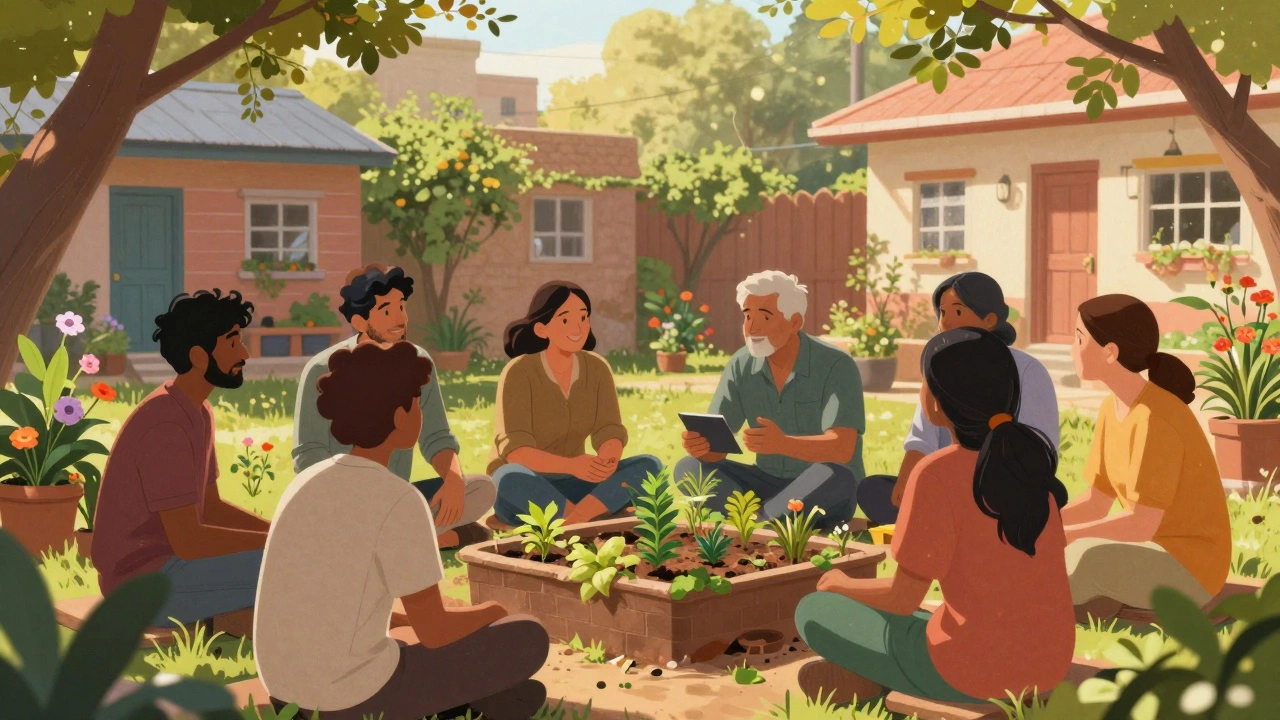
Our society is also undergoing demographic changes that affect how we engage with community service. Older demographics, traditionally the highest contributors of volunteer hours, are shrinking relative to younger groups. Meanwhile, Millennials and Gen Z have different priorities. They value authenticity, social justice, and immediate impact.
Youth activities and education sectors are trying to adapt by integrating service learning into schools. However, there’s a gap between school-based volunteering and independent adult participation. Young adults often struggle to find meaningful roles that align with their specific passions, such as environmental advocacy or digital rights. If the available volunteer opportunities don’t match their interests, they opt out. Personalization is key here. Generic calls for help rarely resonate as deeply as targeted invitations based on individual skills and values.
How to Rebuild Engagement
Reversing the decline in volunteerism requires a multi-pronged approach. Communities, employers, and non-profits all have roles to play. First, workplaces can encourage civic engagement by offering paid volunteer days. This signals that society values these contributions and removes the financial barrier for employees.
Second, non-profits must modernize their outreach. Use data to understand what motivates different segments. Create short-term projects for busy professionals and long-term mentorships for retirees. Highlight the personal benefits of volunteering, such as networking, skill building, and mental health improvements. Research shows that helping others boosts happiness and reduces stress. Framing volunteering as self-care, rather than just sacrifice, can attract new participants.
Finally, rebuild local connections. Support neighborhood initiatives that foster face-to-face interactions. When people know their neighbors, they’re more likely to help them. Community outreach programs should focus on creating spaces where organic relationships form. Trust is built person-to-person, not screen-to-screen.
Looking Ahead: A New Model for Service
The future of volunteerism won’t look exactly like the past. We need flexible, hybrid models that blend digital convenience with human connection. Micro-volunteering platforms can handle small tasks, while deeper engagement happens through structured community groups. By addressing the root causes-time scarcity, burnout, and organizational inefficiency-we can create a sustainable ecosystem for giving.
It starts with recognizing that everyone has something to give, but not everyone can give in the same way. Adaptability is essential. Whether you’re seeking ways to contribute or leading an organization, understanding these dynamics helps build stronger, more resilient communities. The decline isn’t permanent if we choose to innovate and reconnect.
Is volunteerism actually declining globally?
Yes, data from various countries including Australia, the US, and parts of Europe shows a steady decrease in traditional volunteer hours over the last decade. However, informal helping behaviors among friends and family remain stable, suggesting a shift in how people define "volunteering."
What are the biggest barriers preventing people from volunteering?
The top barriers include lack of time due to work and family commitments, financial constraints, lack of awareness of opportunities, and poor experiences with previous organizations. Burnout and compassion fatigue also play significant roles.
How can non-profits attract more volunteers?
Non-profits should offer flexible scheduling, provide clear training, communicate impact regularly, and leverage digital tools for easy sign-ups. Recognizing volunteers’ skills and treating them as partners rather than free labor improves retention.
Does volunteering benefit the individual?
Absolutely. Studies show volunteering reduces stress, increases happiness, and can improve physical health. It also provides valuable networking opportunities and skill development, enhancing employability and personal growth.
What is micro-volunteering?
Micro-volunteering involves small, short-term tasks that can often be completed online. Examples include translating documents, designing graphics, or researching data. It appeals to busy individuals who want to contribute without long-term commitments.
How does economic pressure affect volunteer rates?
As living costs rise, people work more hours to survive, leaving less discretionary time for unpaid work. Financial stress directly correlates with lower participation in community service, particularly among low- and middle-income households.