
Senior Grocery Benefit Estimator
Estimate your potential monthly and annual support based on current programs, debunking the "$900 Stimulus" myth.
Do you qualify/receive these?
Results Will Appear Here
Fill out the form on the left and click calculate to see how your actual benefits compare to the rumored $900 stimulus.
You’re scrolling through Facebook or reading an email from a well-meaning relative, and you see it: “Seniors get $900 one-time grocery stimulus.” It sounds too good to be true. And honestly? It usually is. As of November 2026, there is no single, universal federal program in the United States that hands every senior citizen a flat $900 check specifically for groceries. But before you dismiss the rumor entirely, you need to understand where this number comes from, because while the “$900 stimulus” itself is largely a myth, the underlying support systems are very real-and they might be worth more than $900 if you know how to navigate them.
The confusion stems from a mix of past emergency aid, state-level bonuses, and misunderstandings about Supplemental Nutrition Assistance Program (SNAP) calculations. For many seniors on fixed incomes, the difference between eating and skipping meals often hinges on these specific benefit structures. Let’s break down exactly what exists, what doesn’t, and how you can actually lower your grocery bill right now.
Where Did the $900 Myth Come From?
If you dig into the history of recent financial relief, the $900 figure isn’t pulled out of thin air. During the height of the pandemic, various temporary measures created windfalls that looked like stimulus checks but were actually different mechanisms. For instance, some states issued one-time supplemental payments to low-income households. In certain cases, a household receiving maximum SNAP benefits combined with other tax credits or temporary inflation rebates could see a lump sum approaching $900 over a few months. However, these were not ongoing programs; they were one-off events tied to specific legislative windows that have since closed.
Another source of confusion is the Supplemental Nutrition Assistance Program (SNAP), commonly known as food stamps. SNAP is a federal nutrition program that provides monthly benefits to eligible low-income individuals and families to purchase food. The average monthly SNAP benefit per person has fluctuated due to inflation adjustments. While it rarely hits $900 per month for a single individual, a family of four might receive close to that amount in total benefits. When headlines report "average household benefits," people mistakenly assume every individual gets that much cash. This distinction-between household averages and individual entitlements-is critical.
What Benefits Do Seniors Actually Get?
Instead of chasing a phantom $900 check, look at the tangible programs available to older adults today. These aren't always called "grocery stimuli," but they function similarly by putting money directly into your pocket or reducing your food costs.
| Program Name | Primary Audience | Benefit Type | Estimated Monthly Value |
|---|---|---|---|
| SNAP | Low-income seniors (60+) | Monthly EBT card funds | $150-$300+ (varies by state/income) |
| Social Security | All eligible retirees | General income (can buy food) | Average ~$1,900 (2026 estimate) |
| Senior Farmers’ Market Nutrition Program (SFMNP) | Seniors 60+ in eligible areas | Vouchers for fresh produce | $50-$100 seasonal |
| Commodity Supplemental Food Program (CSFP) | Low-income seniors 60+ | Food boxes/delivery | Value approx. $50/month |
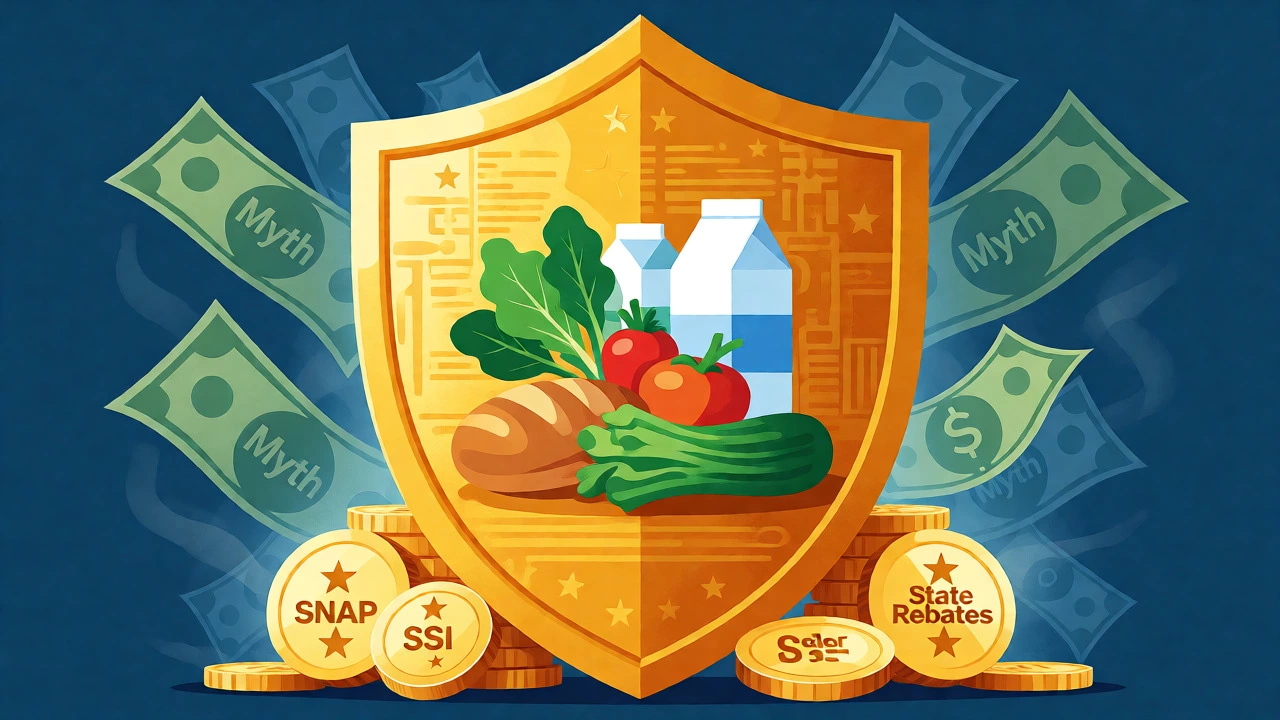
Notice that none of these guarantee $900 in pure grocery cash. Social Security is your biggest asset here. If you qualify for Supplemental Security Income (SSI), a federal income supplement program funded by general tax revenues designed to assist aged, blind, and disabled people who have little or no income. you likely already receive SNAP automatically in most states. The synergy between SSI and SNAP often provides a safety net that exceeds the rumored stimulus value when annualized.
State-Specific Bonuses and Property Tax Rebates
Here is where things get tricky. Some states do offer property tax rebates or renter’s credits that effectively act as cash back for seniors. In places like New Jersey, Pennsylvania, or Hawaii, seniors can apply for homestead exemptions or renter’s rebates. Depending on your income and age bracket, these checks can range from $50 to several hundred dollars annually. If you stack a $300 renter’s rebate with a $100 seasonal farmers' market voucher and standard SNAP benefits, you might hit a $900 annual surplus. But remember: this is annual, not monthly, and it requires active application. You won’t find it in your bank account unless you file the paperwork.
Furthermore, utility assistance programs like the Low Income Home Energy Assistance Program (LIHEAP) help offset heating and cooling costs. By saving $50-$100 a month on utilities, you free up cash flow that can be redirected to groceries. Indirect savings are just as powerful as direct subsidies, yet they are often overlooked in viral social media posts.
How to Maximize Your Grocery Budget Without Waiting for Stimulus
Since waiting for a non-existent $900 check is risky, take control of your spending now. Many seniors qualify for discounts that require zero application forms, just proof of age.
- Retailer Discounts: Chains like Kroger, Publix, and Albertsons often offer 5% off purchases on specific days for customers 60 or 65+. If you spend $400 a month on groceries, that’s $20 saved instantly.
- Pharmacy Rewards: CVS and Walgreens offer points for prescriptions that can be redeemed for personal care items, freeing up budget for food.
- Community Meals: Local Area Agencies on Aging provide congregate meals or home-delivered meals (Meals on Wheels). Even if you only use them twice a week, the cost savings and nutritional assurance are significant.
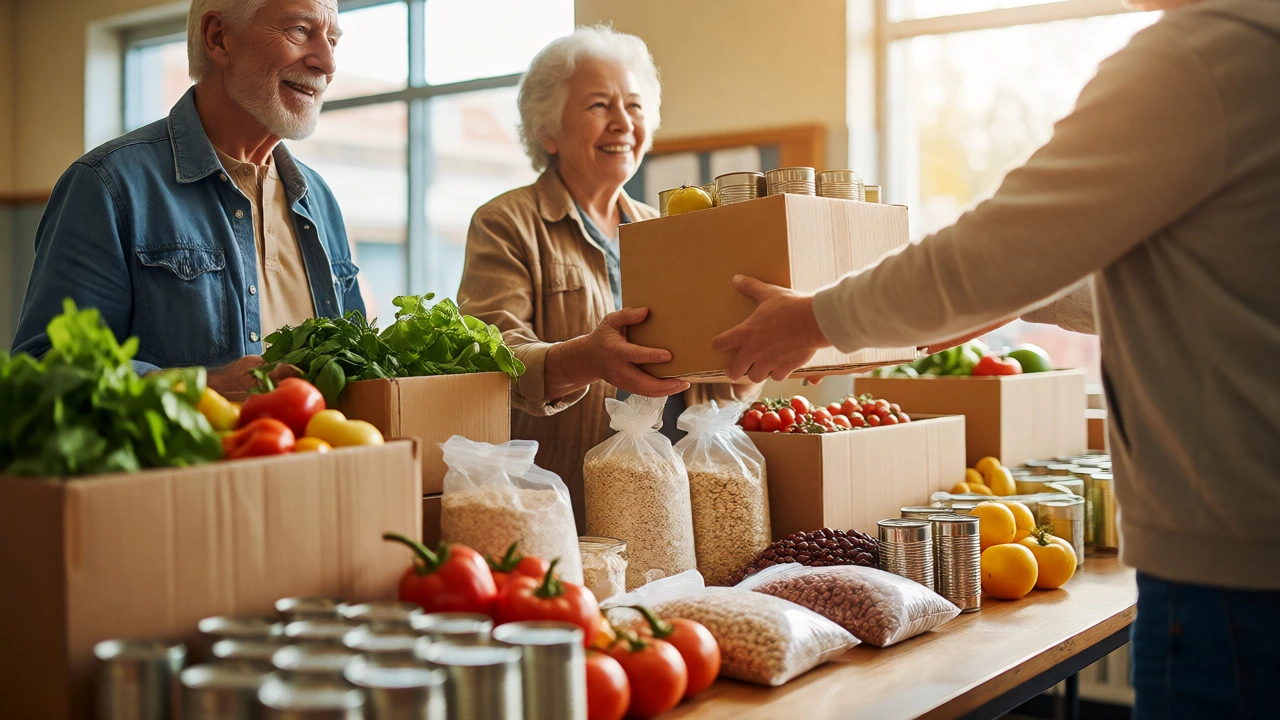
Don’t underestimate the power of bulk buying basics. Rice, beans, oats, and frozen vegetables have long shelf lives and low unit costs. Pair this with the Commodity Supplemental Food Program (CSFP), which provides USDA foods to low-income seniors, and you cover your staples without touching your cash reserves.
Beware of Scams Targeting the "Stimulus" Rumor
Scammers love vague rumors. They create fake websites claiming to register you for the "$900 Senior Grocery Grant." They ask for your Social Security Number, Medicare ID, and sometimes even credit card details to "verify eligibility." Here is the hard truth: legitimate government grants do not require you to pay a fee to receive money. If someone asks for your banking info upfront via a phone call or text message promising a stimulus check, hang up. Verify any claims directly through Benefits.gov or your local Department of Social Services.
Also, watch out for "Medicare Advantage" plans advertising extra benefits. Some private insurers do offer over-the-counter (OTC) allowances or meal delivery perks. However, these vary wildly by plan and year. Read your Summary of Benefits carefully. Don’t assume a perk exists because your neighbor got it; insurance contracts are highly specific.
Action Plan for Seniors Seeking Help
If you are struggling with food costs, don’t wait for news cycles. Take these steps immediately:
- Check SNAP Eligibility: Use the online pre-screening tool on your state’s human services website. Note that medical expenses for those over 65 can be deducted from income, making you eligible even if you think you earn too much.
- Contact Your Local Area Agency on Aging: Call the Eldercare Locator at 1-800-677-1116. They connect you to local resources like CSFP and transportation services.
- Apply for State Rebates: Check if your state offers property tax or renter’s credits for seniors. Deadlines often fall in spring or early summer.
- Utilize Food Banks: No shame here. Food banks operate on donations and often have fresh produce. They fill gaps between benefit distributions.
The narrative of a sudden $900 windfall is comforting, but reality is built on steady, accessible programs. By combining SNAP, state rebates, retailer discounts, and community resources, you can achieve financial stability that feels just as good as a stimulus check-without the disappointment of a broken promise.
Is the $900 grocery stimulus real for all seniors?
No, there is no universal federal law providing a one-time $900 grocery payment to all seniors. The rumor typically conflates past temporary pandemic aid, state-specific rebates, or average household SNAP benefits with a new, broad stimulus package.
Can I get SNAP benefits if I own my home?
Yes. In most states, your primary residence is exempt from asset tests for SNAP. Additionally, for seniors 60+, medical expenses exceeding $35 a month can be deducted from countable income, potentially increasing eligibility.
What is the CSFP program?
The Commodity Supplemental Food Program provides USDA foods to low-income seniors aged 60 and older. Unlike SNAP, which gives cash-equivalent benefits, CSFP distributes physical food boxes containing nutritious items like canned fruits, vegetables, grains, and proteins.
Do Medicare Advantage plans include grocery benefits?
Some Medicare Advantage plans offer Over-the-Counter (OTC) allowances or meal delivery services as extra benefits. These are not universal and depend on your specific insurance contract. Always check your plan documents for "extra benefits" or "value-added services."
How do I avoid scams related to senior stimulus checks?
Never pay a fee to receive a government grant. Be wary of unsolicited calls or texts asking for your Social Security Number or bank details. Verify information through official government websites like SSA.gov or Benefits.gov rather than clicking links in emails.