Community Outreach Effectiveness Calculator
Rate how well your organization performs in each core phase of community outreach.
Select options above to see your outreach score.
Key Takeaway:
Most people think community outreach is just handing out flyers or standing at a bake sale. It’s not. At its core, community outreach is the strategic process of building relationships between an organization and the people it serves. It’s about listening, connecting, and solving real problems together. If you’ve ever wondered what happens behind the scenes of those neighborhood clean-ups or school mentorship drives, you’re asking the right question. The work is messy, rewarding, and far more complex than it looks from the outside.
The Core Purpose: Building Bridges, Not Just Walls
Before you pick up a clipboard, you need to understand why outreach exists. Organizations-whether they are nonprofits, charitable groups focused on social good, local government bodies, or even corporations-use outreach to close the gap between themselves and the public. This isn’t about marketing; it’s about trust. When a food bank opens a new location, they don’t just put up a sign. They send volunteers into neighborhoods to explain who qualifies, how to access services, and why this resource matters. That interaction is outreach. It transforms a static service into a living relationship.
The goal is always mutual benefit. The organization gets insight into community needs, and the community gets support, resources, or a voice. Without this two-way street, programs fail. You might have the best intention in the world, but if you aren’t meeting people where they are, you’re just talking to yourself.
Phase One: Listening Before Acting
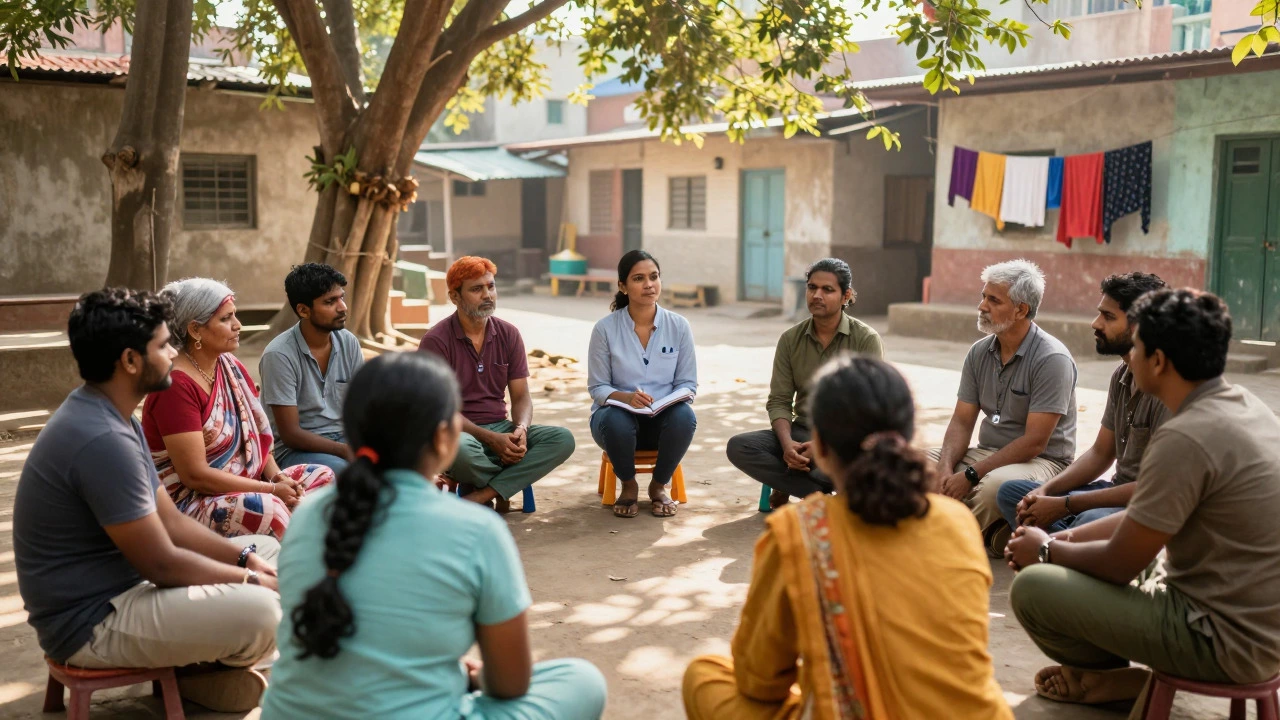
The first thing you do in any serious outreach program is listen. This phase is often called needs assessment, a methodical process to identify gaps in services or resources within a specific population. You can’t fix what you don’t understand. In Sydney, for example, before launching a youth employment initiative, workers spent three months sitting in cafes and community centers, talking to teenagers about their barriers. They didn’t ask, "Do you want jobs?" They asked, "What stops you from getting one?" The answers revealed transportation costs and lack of interview skills as bigger hurdles than laziness.
- Conduct surveys: Simple questionnaires distributed digitally or on paper to gather broad data.
- Hold focus groups: Small, facilitated discussions with community members to dig deeper into emotions and experiences.
- Analyze existing data: Look at census information, local crime stats, or health records to spot trends.
- Engage stakeholders: Talk to teachers, doctors, and local leaders who already see these issues daily.
This step prevents the common mistake of assuming you know what people need. It grounds your work in reality, not assumption.
Phase Two: Designing Accessible Programs
Once you know the problem, you design the solution. But here’s the catch: the solution must be accessible. If you create a brilliant mental health workshop but hold it in a building with no wheelchair ramp, you’ve failed half your audience. Program development involves creating structured activities that address identified community needs while removing barriers to participation.
This means thinking about logistics intensely. Is the venue safe? Is the language simple and inclusive? Are there childcare options? In many Australian communities, cultural sensitivity is paramount. An outreach program targeting Indigenous Australians, for instance, must involve Elders in the planning stage to ensure respect and relevance. You aren’t just building a schedule; you’re building an environment where people feel welcome enough to show up.
Phase Three: Direct Engagement and Education
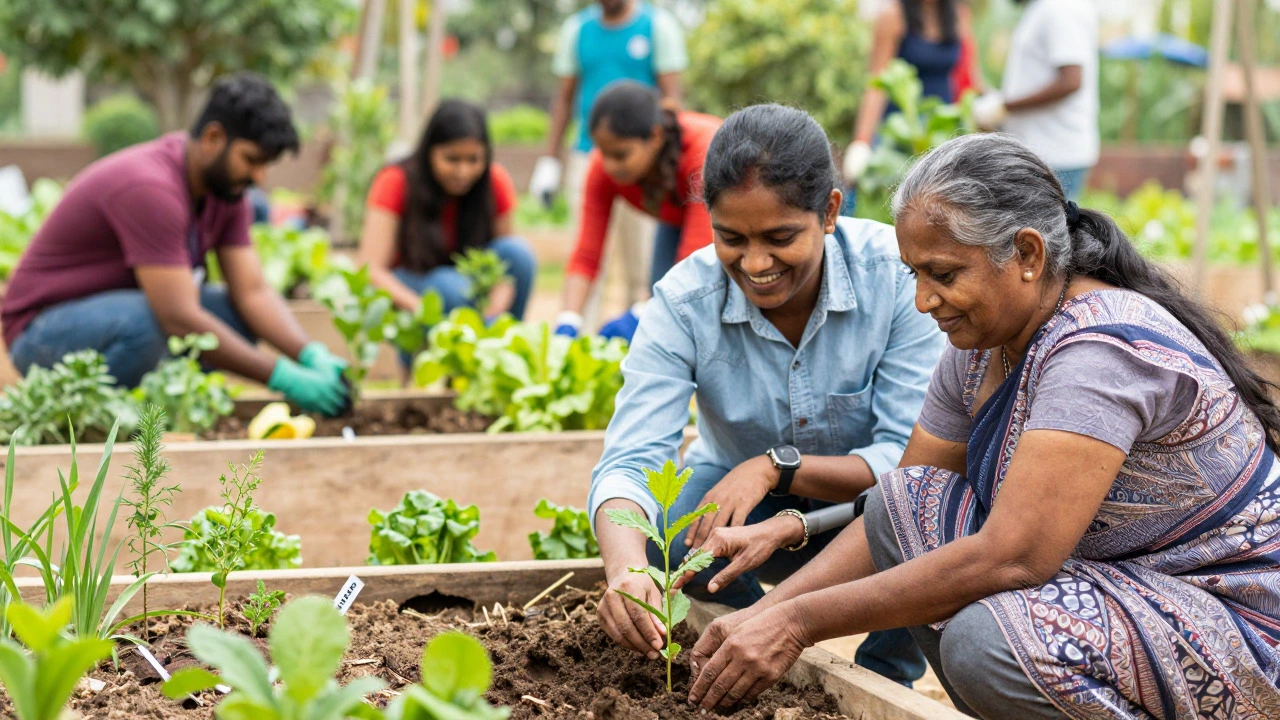
This is the visible part-the "doing." You are now in the field. Your role shifts from planner to connector. Depending on the program, this might look like teaching a class, distributing supplies, or facilitating a conversation. The key skill here is empathy. You are representing an organization, but you are also a human being interacting with another human being.
| Sector | Typical Activity | Primary Goal |
|---|---|---|
| Health | Blood pressure screenings | Early detection and education |
| Education | After-school tutoring | Academic support and mentorship |
| Environment | Community garden planting | Local beautification and sustainability |
| Social Welfare | Housing navigation assistance | Connecting individuals to stable housing |
During these interactions, you are collecting real-time feedback. Did the explanation make sense? Was the form too long? These small observations are gold. They tell you if your Phase Two design actually works in practice. You adjust on the fly. Maybe you realize people prefer texting over calling for follow-ups. You note that. You adapt.
Phase Four: Advocacy and Resource Connection
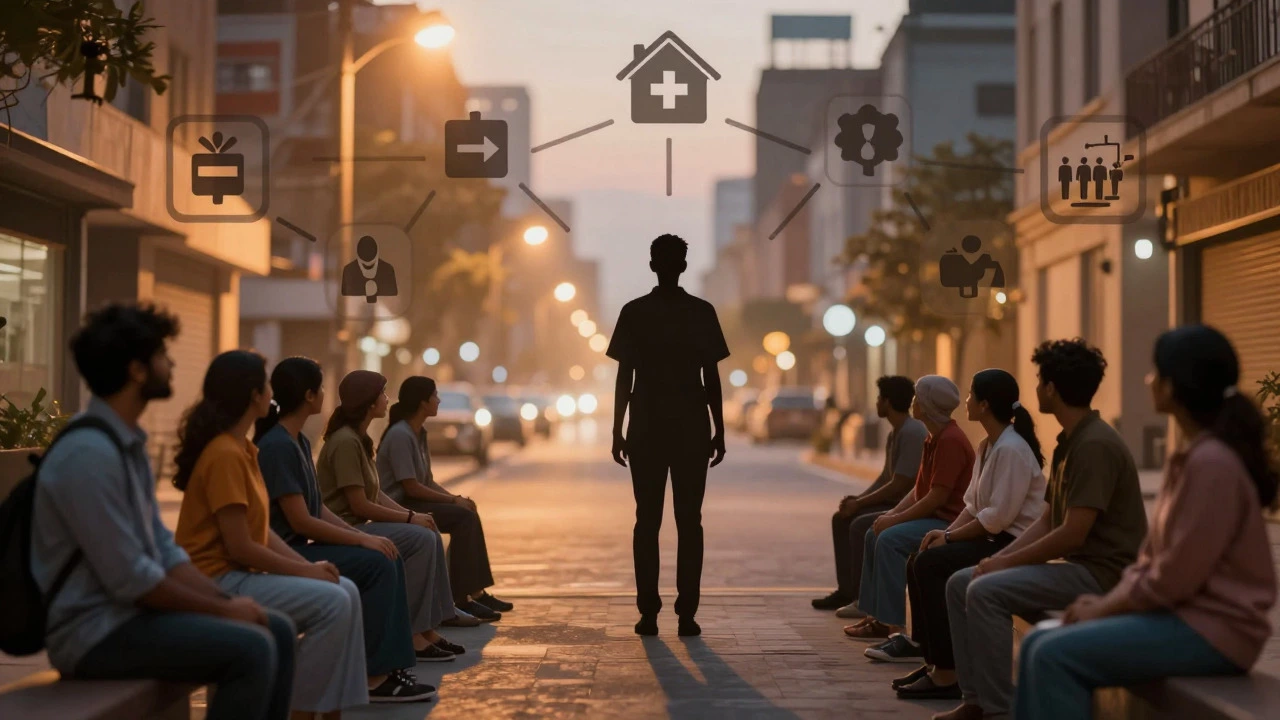
Often, the person you meet doesn’t just need a chat; they need a lawyer, a doctor, or a warm meal. Outreach workers act as navigators. You become a bridge to other services. This requires a deep knowledge of the local ecosystem. In Sydney, knowing which council provides free legal aid versus which charity offers emergency rent assistance is critical. You aren’t solving every problem yourself, but you are ensuring the person knows where to go next.
This role also includes advocacy. When you see systemic issues repeatedly-like a neighborhood lacking fresh food stores-you document them. You bring this evidence back to your organization and to policymakers. You say, "This isn’t just one person’s bad luck; it’s a structural failure." This turns individual stories into collective action.
Measuring Impact: Beyond Feel-Good Stories
How do you know if you made a difference? You measure it. Good outreach programs track both quantitative and qualitative data. Quantitative metrics include numbers: how many people attended, how many forms were filled, how many referrals were made. Qualitative metrics include stories: did someone feel less isolated? Did a family feel safer?
However, beware of vanity metrics. Having 500 people at an event sounds great, but if only five got actual help, was it successful? True impact is measured by change. Did the participant achieve their goal? Did the community’s perception of the organization improve? Regular reporting keeps the program accountable and helps secure future funding. Donors want to see results, not just effort.
Challenges and Burnout: The Hidden Cost
Let’s be honest: outreach work can be emotionally draining. You hear heavy stories daily. You face bureaucracy. You sometimes meet resistance from skeptical communities. Burnout is real. To survive, you need boundaries. Debriefing with colleagues is essential. Sharing the emotional load prevents compassion fatigue. Also, remember that you are not a savior. You are a facilitator. You provide tools and connections; the community drives the change. Keeping this perspective protects your mental health and respects the agency of those you serve.
What skills do I need for community outreach?
You need strong communication skills, empathy, cultural awareness, and organizational ability. Active listening is perhaps the most critical skill. You also need resilience to handle rejection or difficult conversations without taking them personally.
Is community outreach paid work?
It can be. Many nonprofits hire full-time outreach coordinators or officers. However, a significant portion of outreach work is done by volunteers. Corporate social responsibility teams also employ staff for business-focused outreach.
How do I start an outreach program?
Start small. Identify a specific, manageable problem in your immediate vicinity. Consult with local leaders to validate the need. Recruit a few trusted volunteers. Pilot a single activity, gather feedback, and iterate before expanding.
What is the difference between marketing and outreach?
Marketing pushes a message out to sell a product or service. Outreach builds a two-way relationship to solve a problem or build trust. Marketing is transactional; outreach is relational. While they can overlap, their primary intents differ significantly.
How does digital outreach differ from traditional methods?
Digital outreach uses social media, email, and websites to reach audiences. It allows for broader scale and data tracking. Traditional outreach involves face-to-face interaction, which builds deeper trust but reaches fewer people. Effective programs often blend both approaches.