Clothing Donations: Where Your Old Clothes Go and Who Really Benefits
When you drop off a bag of clothing donations, used garments given to charities or collection bins to support people in need. Also known as textile donations, these items are meant to help those without enough to wear. But too often, what starts as kindness ends up in landfills or overseas markets with little real impact. It’s not enough to just give away old shirts and jeans. You need to know who’s receiving them, how they’re sorted, and whether your effort actually changes someone’s life.
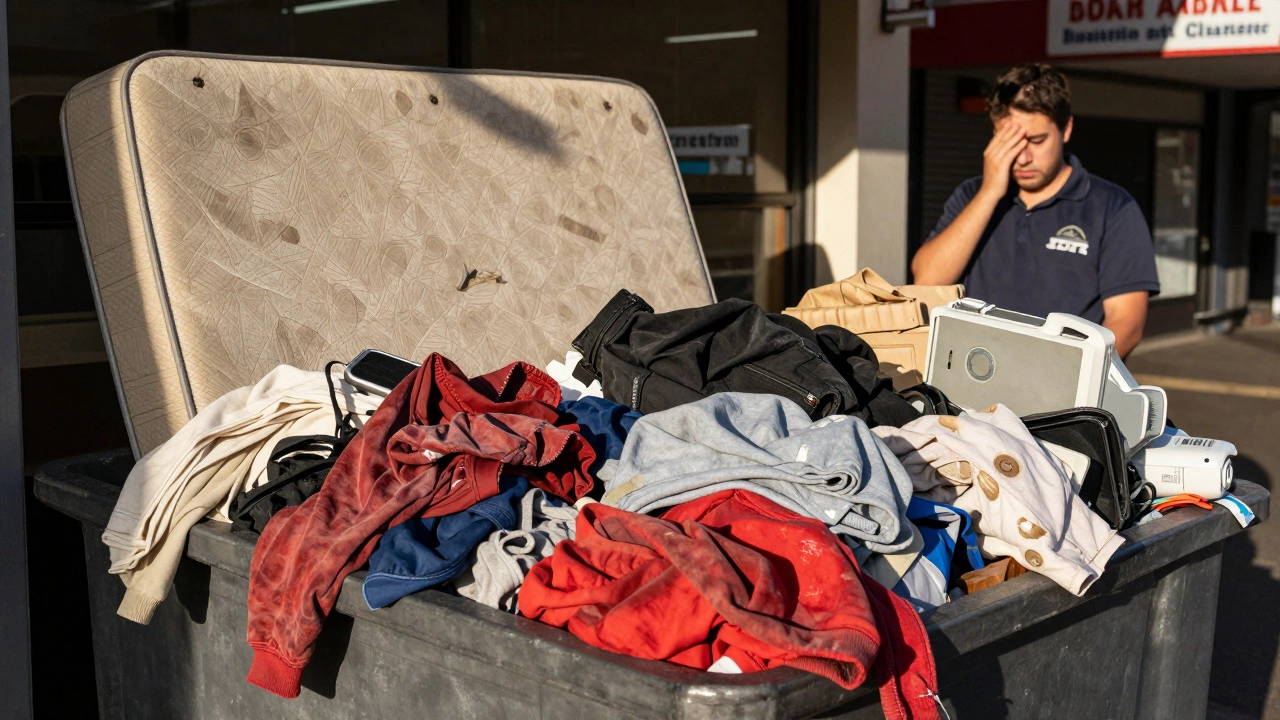
Homeless assistance, programs that provide basic necessities like clothing, food, and shelter to people without stable housing relies heavily on clothing donations. But shelters in cities like Houston, Atlanta, and Chicago don’t always need what you think. They get flooded with winter coats in July and barely any underwear or socks in January. Many donations are unusable—stained, torn, or outdated—forcing charities to spend time and money sorting through trash instead of helping people. Meanwhile, textile waste, the massive amount of unwanted clothing discarded each year, much of it ending up in landfills or exported to developing countries is growing faster than ever. The U.S. throws out over 11 million tons of clothing annually. That’s not charity—it’s pollution dressed up as good intentions.
So what does a smart clothing donation look like? Clean, dry, in good condition. No holes, no stains, no missing buttons. Socks and underwear? Always welcome. Winter coats? Great in October, not so much in May. And before you drop off that box, ask yourself: Would I wear this? If the answer’s no, it’s not donation material—it’s clutter. Real charity clothing, clothing that is carefully selected, cleaned, and distributed to people who need it most isn’t about quantity. It’s about dignity. A warm coat that fits. Clean underwear. Shoes that don’t fall apart. These aren’t luxuries—they’re basics that restore a sense of self-worth.
Some donation centers partner with local job programs, giving people a chance to sort clothes and earn skills. Others send usable items to refugee resettlement agencies or veterans’ shelters. But many just ship bulk loads overseas, where they flood markets and hurt local tailors. You can’t fix systemic poverty with a bin full of fast fashion. But you can make a difference by donating thoughtfully, supporting local nonprofits that track where items go, and asking questions. The posts below show real stories—from how a single donation drive helped a youth program in Arkansas to why Texas shelters are turning away half of what’s dropped off. You’ll see which organizations actually use donations to rebuild lives, and which ones turn your kindness into a business. This isn’t just about giving clothes. It’s about giving with purpose.