Charity Donation Checker
Is Your Donation Acceptable?
Check before you donate to avoid rejected items and help charity shops raise more funds for local services.
Walking into a charity shop with a bag of unwanted stuff feels good. You’re clearing space, helping others, doing your part. But not everything you think is "good enough" actually is. Every year, Australian charity shops turn away thousands of items that can’t be sold, repaired, or reused. That means more work for volunteers, more waste in landfills, and less money raised for people who need it. If you’re donating to a charity shop, you’re not just getting rid of clutter-you’re supporting a vital community service. So here’s what you should leave at home.
Don’t donate damaged or stained clothing
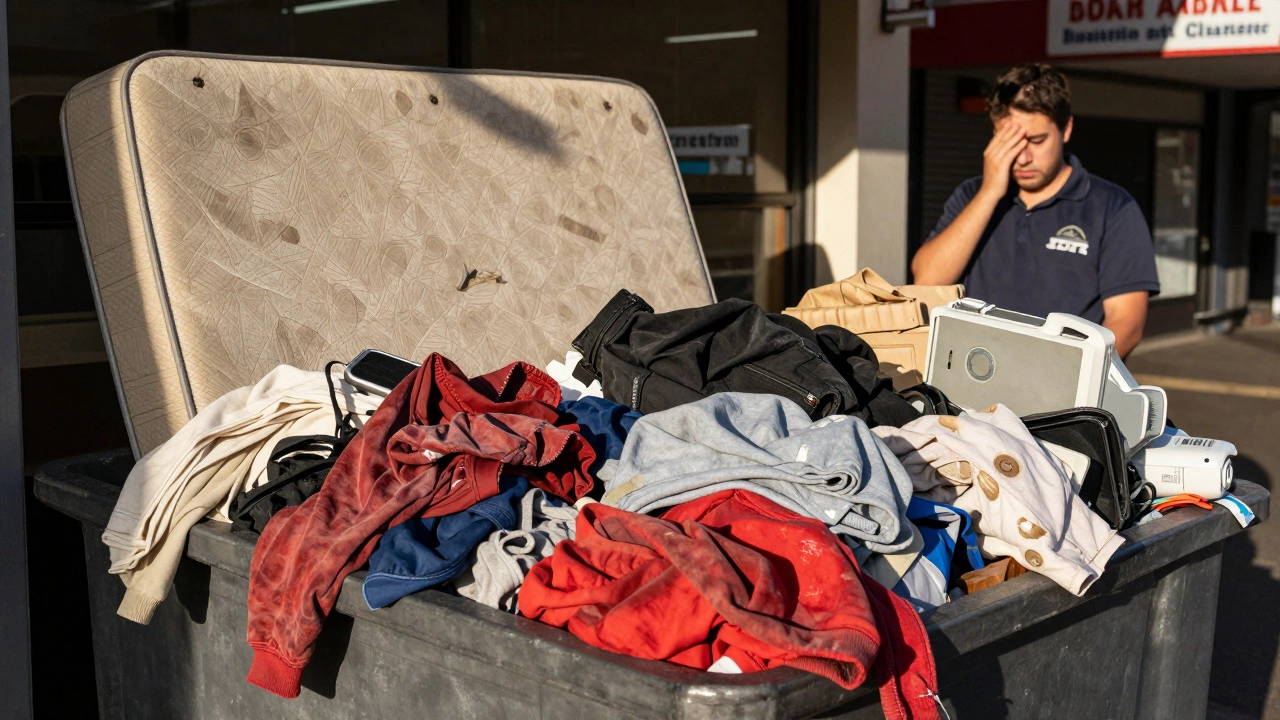
Torn jeans, missing buttons, or shirts with coffee stains might seem like "still wearable" to you, but charity shops aren’t thrift stores that fix everything. Volunteers aren’t tailors. They don’t have time to mend every item. A single stained shirt can take 10 minutes to sort, photograph, and reject. That’s 10 minutes not spent helping a customer, organizing stock, or supporting someone in need. If the item has visible holes, fraying seams, or strong odors (like smoke or mildew), it’s better to recycle it through textile bins or dispose of it properly. Charity shops in Sydney receive over 12,000 items a week. They can’t accept what can’t be resold.Avoid broken or incomplete electronics
You might think an old phone, toaster, or hairdryer still has "some life left." But charity shops don’t repair electronics. They don’t have the space, the tools, or the legal liability to handle them. Broken devices are hazardous waste. Batteries leak, cords fray, and circuit boards contain toxic materials. Even if it turns on, if it’s missing a charger, cable, or manual, it’s useless to most buyers. Don’t drop off old TVs, microwaves, or gaming consoles unless they’re brand new in the box. If you’re unsure, check with the shop first. Many councils offer e-waste drop-off days-use those instead.No used mattresses or bedding
This one catches people off guard. You’d think a clean, unused-looking mattress would be a gift. But in Australia, health regulations strictly prohibit charity shops from selling used mattresses, pillows, or duvets. Why? Risk of bed bugs, dust mites, and bacterial growth. Even if you washed it, you can’t guarantee it’s safe. One infected mattress can ruin an entire stockroom. If you’re replacing your bedding, donate it to a homeless shelter that accepts clean, sealed items-or recycle it through a mattress recycler. Some Sydney councils even offer free mattress pickup services.Don’t give expired or opened food
It’s kind to think of feeding someone, but charity shops aren’t food banks. They don’t have refrigeration, storage licenses, or staff trained in food safety. Expired cans, opened packets of cereal, or half-used jars of jam are a liability. Even if the date is just a week past, they can’t legally sell it. And if someone gets sick? The shop could face fines or closure. If you want to donate food, find a local food bank-they’re set up for it. Most have strict guidelines on what they accept: unopened, non-perishable items with clear labels and dates.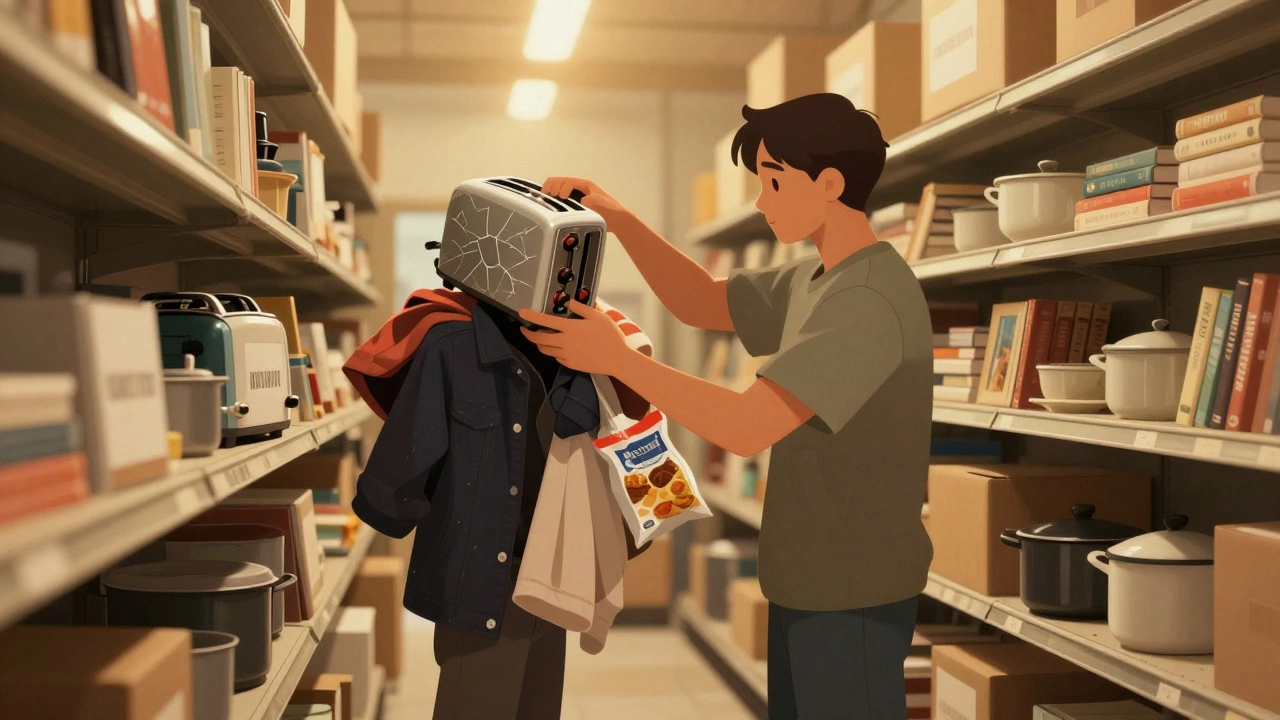
Leave out toys without safety labels
Kids’ toys are popular donations, but not all toys are safe. If a toy is missing its CE or Australian Standards safety label, it’s a no-go. Broken parts, sharp edges, or loose small pieces (like eyes on stuffed animals) make toys dangerous for children. Charity shops can’t risk selling something that could cause choking or injury. Even if it looks fine, if it’s from a brand you don’t recognize or it’s missing instructions, skip it. Better yet, donate to a children’s hospital or playgroup that can inspect items properly. Many have toy cleaning and repair programs.Don’t donate used underwear, swimwear, or hosiery
This is a hard rule, but it’s non-negotiable. No charity shop in Australia will accept used underwear, socks, tights, or swimsuits. Not even if they’re brand new in the packet. Why? Hygiene laws. These items come into direct contact with skin and are impossible to sanitize safely at scale. Even if you bought them and never wore them, most shops still won’t take them. If you’ve got unused items like these, your best option is to return them to the store or recycle them through textile programs that process fabric into insulation or cleaning rags.Don’t bring large furniture unless asked
A couch, dresser, or bookshelf might seem like a generous donation. But charity shops rarely have space to store large items. They don’t have trucks or delivery teams. Unless they’ve advertised a furniture pickup service, don’t show up with a sofa on your porch. Most shops will turn it away, and now you’ve created a logistics problem for them. If you’ve got furniture to donate, call ahead. Some charities partner with local removalists for bulk pickups. Otherwise, list it on Freecycle, Gumtree, or your local Buy Nothing group.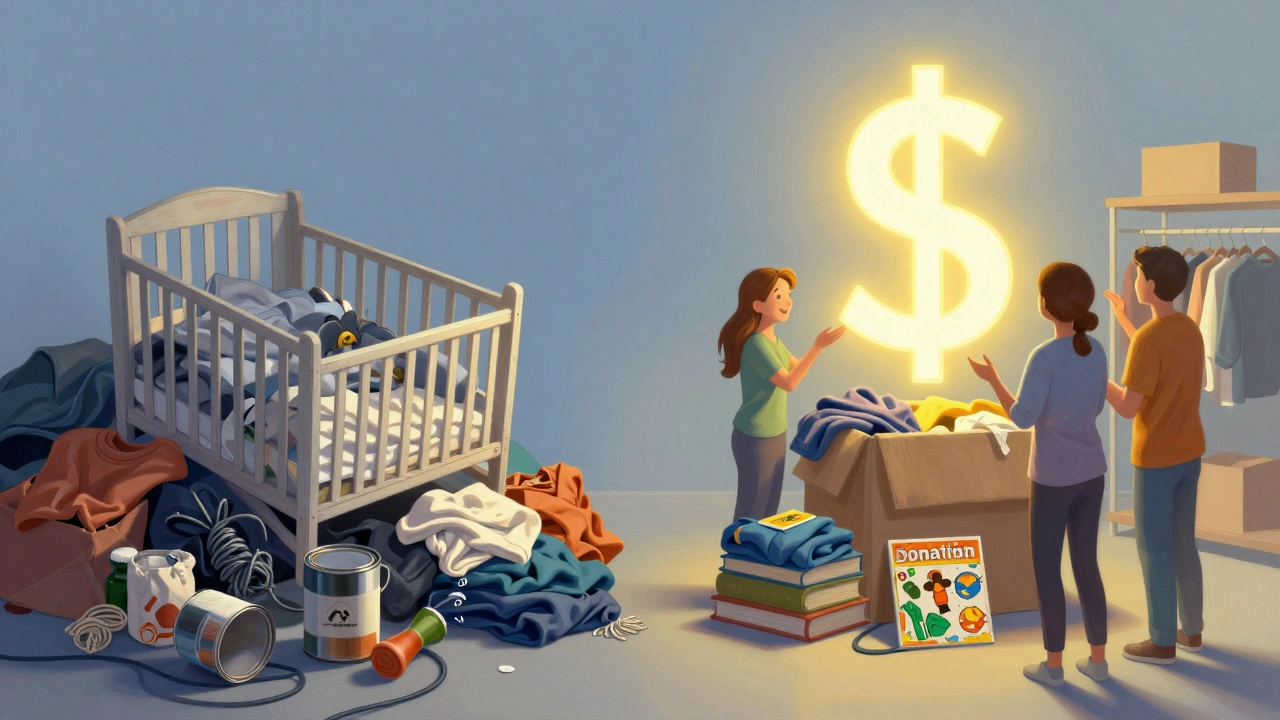
Keep out hazardous or recalled items
Candles with cracked glass, old chemical cleaners, paint cans, power tools with damaged cords, or recalled baby cribs? Absolutely not. These aren’t just unsellable-they’re dangerous. Charity shops are public spaces. They can’t risk exposing staff, volunteers, or customers to toxins or injuries. If you’re unsure whether something’s been recalled, check the ACCC website. If it’s on the list, take it to a hazardous waste facility. Don’t make someone else’s problem.What you can donate
Now that you know what to avoid, here’s what works: clean, undamaged clothing and shoes in good condition; books without torn pages or water damage; small kitchen items like unchipped mugs or working blenders; board games with all pieces; and accessories like belts, bags, or jewelry. The rule is simple: if you wouldn’t buy it secondhand from a friend, don’t donate it. Think of the next person who’ll wear, use, or enjoy it. Treat it like you’d treat a gift.Before you drop it off
Take a quick checklist before you head out:- Is it clean and free of stains, odors, or damage?
- Does it work? (Test electronics, turn on lights, zip zippers)
- Is it complete? (No missing parts, chargers, or instructions)
- Is it safe? (No recalls, sharp edges, or hazardous materials)
- Would I buy this if I saw it on the rack?
If you answered "no" to any of these, find another way to dispose of it. Donating the wrong thing doesn’t help-it hurts.
Why this matters
When you donate responsibly, you’re not just clearing your closet. You’re making a volunteer’s job easier. You’re helping the shop raise more money for homeless services, youth programs, or cancer support. You’re keeping usable items out of landfill. And you’re setting a standard for others. In Sydney, charity shops raised over $87 million last year-money that went directly to local services. But every wrong donation costs time, money, and effort. Be part of the solution, not the problem.Can I donate clothes with missing buttons?
Generally, no. Charity shops receive far too many items to repair them. Missing buttons, loose seams, or frayed hems make clothing harder to sort and less likely to sell. If the item is otherwise in great condition, you can try sewing the button back on yourself before donating-but if it’s damaged beyond quick fixes, recycle it instead.
What happens to items charity shops can’t sell?
Unsellable items are often sent to textile recyclers who turn them into insulation, wiping rags, or industrial padding. Some charities partner with recycling companies to ensure nothing goes to landfill if it can be repurposed. But this process costs money-and every item that can’t be sold reduces the funds raised for people in need.
Can I donate baby equipment like high chairs or strollers?
Only if they’re in perfect condition, clean, and meet current Australian safety standards. Check for recalls on the ACCC website. Missing parts, cracks, or worn straps make them unsafe. Most charity shops avoid baby gear unless they have a dedicated program with strict safety checks. Call ahead before dropping off.
Do charity shops take books?
Yes, but only if they’re clean, unmarked, and not water-damaged. Textbooks, encyclopedias, and outdated guides are often rejected unless they’re still in demand. Fiction, cookbooks, and children’s books are most welcome. If a book has mold, torn pages, or missing covers, recycle it through paper recycling instead.
What if I’m not sure whether something’s acceptable?
Call the shop first. Most have a list of accepted items on their website or can tell you over the phone. If you show up with something questionable, you risk them turning it away-and now you’ve wasted their time and yours. A quick call saves everyone trouble.