Environmental Advocacy: Real Actions That Drive Change
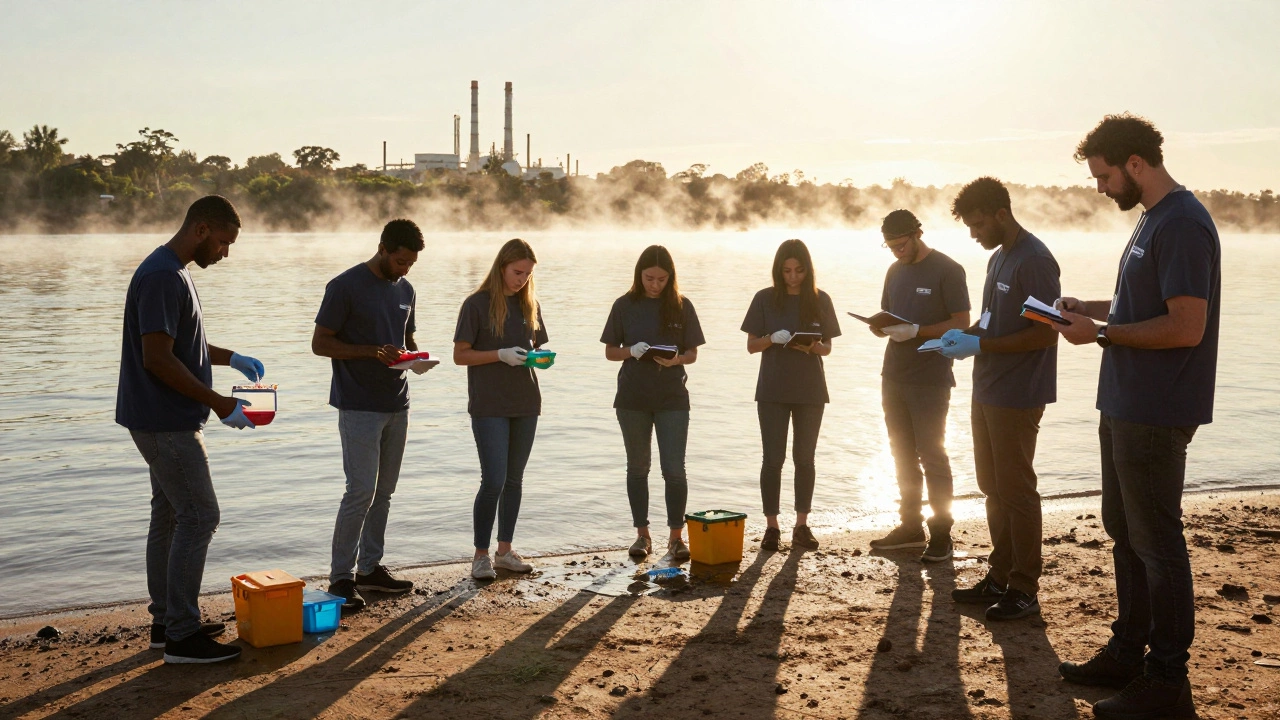
When you hear environmental advocacy, the organized effort to protect nature through policy, education, and direct action. Also known as climate action, it isn’t about signs and slogans alone—it’s about turning awareness into measurable results. Real environmental advocacy happens when people restore wetlands, push for clean energy laws, teach kids about recycling, or shut down illegal logging operations. It’s the quiet work behind the scenes: the lawyer drafting regulations, the teacher organizing a school cleanup, the volunteer tracking water quality in a river no one else visits.
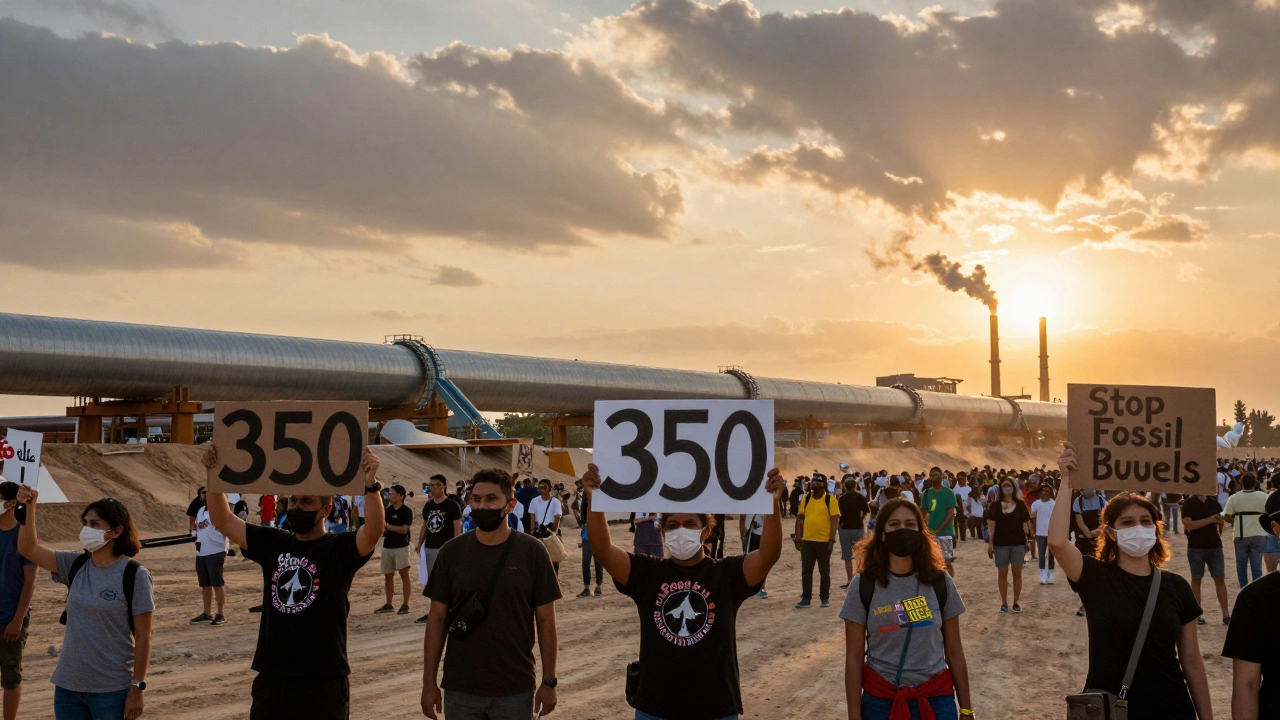
This kind of work doesn’t need a big budget. It needs clear goals, consistent effort, and the right people in the right roles. environmental groups, organized teams focused on protecting ecosystems and influencing public policy don’t just protest—they build solar co-ops, run food waste programs, and train communities to monitor pollution. conservation, the protection and sustainable use of natural resources often means planting native trees, cleaning up plastic from rivers, or helping farmers switch to methods that don’t poison the soil. And community activism, local people coming together to solve problems that affect their daily lives is where it all starts—because no law gets passed unless enough neighbors show up to demand it.
What you’ll find here aren’t abstract theories or feel-good stories. These are real examples: how a small group in Texas got a toxic landfill shut down, how volunteers in Virginia built a network to deliver meals to seniors while protecting local green spaces, how a school club in Arkansas turned a Wacky Day into a fundraiser for clean water projects. You’ll see how outreach isn’t just a buzzword—it’s door-to-door conversations, clear language, and simple tools that turn interest into action. There’s no magic formula. Just people showing up, learning what works, and doing it again.