Extracurricular Activities: What They Really Do for Kids and Communities
When we talk about extracurricular activities, structured programs outside regular school hours that help young people develop skills, relationships, and purpose. Also known as after-school programs, they’re not just filler time—they’re where kids learn how to lead, collaborate, and care about things bigger than themselves. This isn’t about padding a college application. It’s about real growth: a student who runs a food drive learns logistics and empathy. A kid who joins a debate club figures out how to listen, argue, and win respect—not just points.
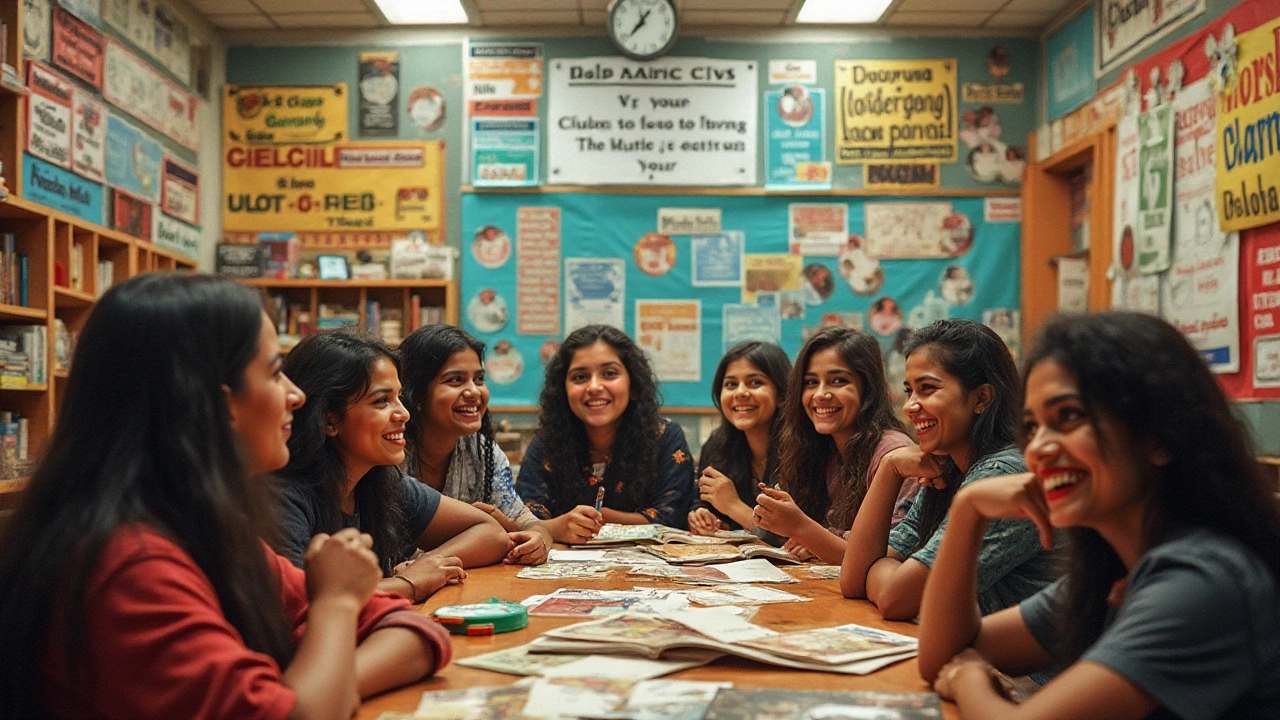
school clubs, student-led groups focused on shared interests like environmental action, art, or service. Also known as student organizations, they’re the engine behind most meaningful extracurricular work. These aren’t just clubs with a teacher nodding in the corner. They’re run by teens who plan events, manage budgets, recruit members, and solve problems. The youth programs, structured initiatives designed to support young people’s development through mentorship, skill-building, and community service that actually work don’t come from top-down mandates. They come from kids who see a need and decide to fill it—like organizing Wacky Day to raise money, or starting a peer tutoring group because no one else was doing it.
And it doesn’t stop at school. volunteering, giving time and effort to help others without pay, often as part of a larger community mission. Also known as community service, it’s one of the most powerful forms of extracurricular activity. A teenager delivering meals to seniors isn’t just checking a box—they’re building relationships, understanding inequality, and learning responsibility in a way no textbook can teach. These experiences connect directly to real-world outcomes: higher graduation rates, better mental health, and stronger neighborhoods.
What you’ll find here isn’t a list of generic ideas. It’s a collection of real, proven ways kids and communities are using extracurricular activities to make things better. From growing a school club with zero budget, to proving your volunteer hours matter for a job or visa, to turning a simple event into a fundraiser that actually brings in cash—these posts show what works. No fluff. No theory. Just what people are doing, how they’re doing it, and why it sticks.