Unsheltered Homeless: What It Means, Why It Happens, and How Communities Respond
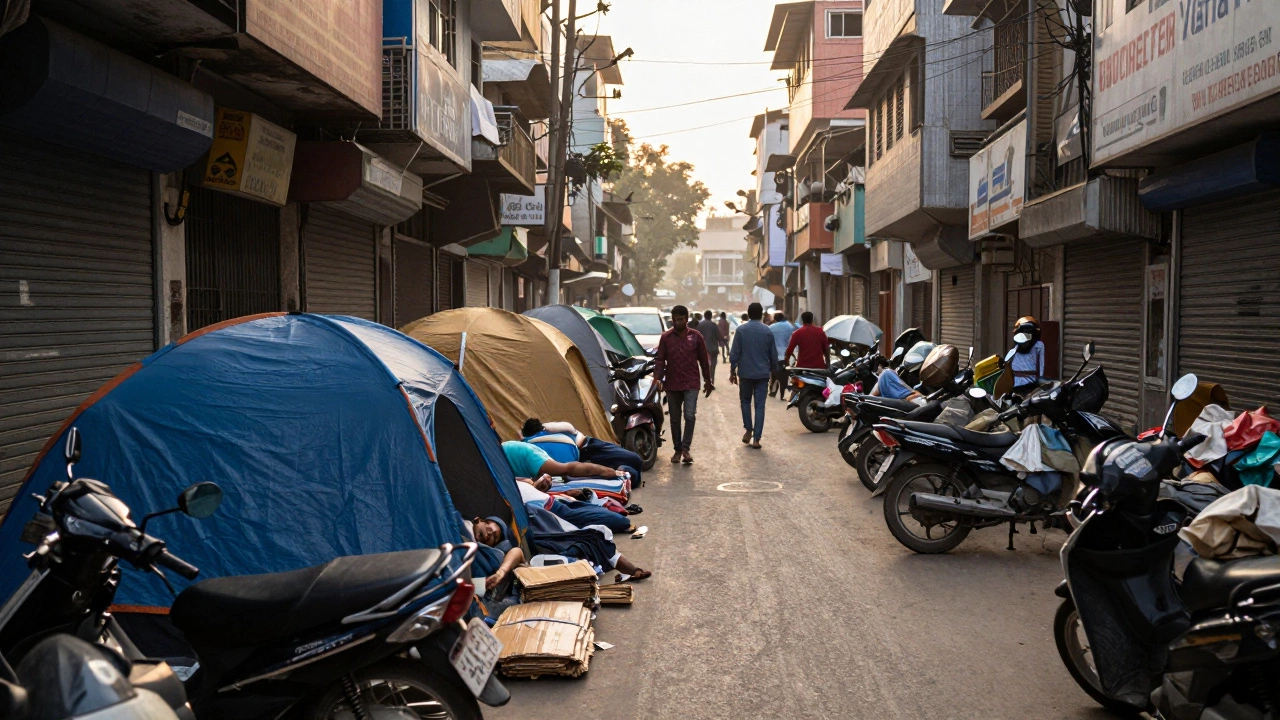
When we talk about unsheltered homeless, people who live without any permanent or temporary roof—on sidewalks, in vehicles, or in abandoned buildings. Also known as street homeless, these individuals often face the harshest conditions because they have no access to warmth, safety, or basic services. This isn’t just about lack of housing—it’s about broken systems, rising costs, and policies that punish survival.
Many assume shelters are full and people choose the streets. But that’s not true. Shelters often have strict rules—no couples, no pets, no belongings—and many are unsafe or overcrowded. In places like Texas, new laws in 2025 make it illegal to sleep outside, even when shelters are at capacity. These homeless laws, local ordinances that criminalize sleeping, begging, or camping in public spaces don’t solve homelessness—they just move it. Meanwhile, programs like rapid re-housing, a proven approach that provides short-term rent help and case management to get people into stable housing fast have been shown to work in Arkansas, Virginia, and beyond. But they’re not everywhere, and funding is uneven.
The housing support, system of programs, nonprofits, and government aid designed to prevent or end homelessness exists, but it’s patchy. Some states offer emergency cash help, food programs for seniors, or youth outreach like Arkansas’s Start Smart Program. Others rely on charity shops or fundraisers that can’t keep up with demand. The real gap? Consistent, long-term solutions that treat housing as a human right, not a reward for perfect credit or a clean record.
What you’ll find here isn’t theory. It’s real stories, real policies, and real fixes. From how to qualify for housing assistance near you, to what not to donate when you want to help, to how cities are criminalizing survival instead of solving it—this collection cuts through the noise. You’ll see how unsheltered homeless people are affected by laws, funding, and community action—and what actually moves the needle.