Urban Homelessness: What It Is, Why It's Growing, and How Communities Are Responding
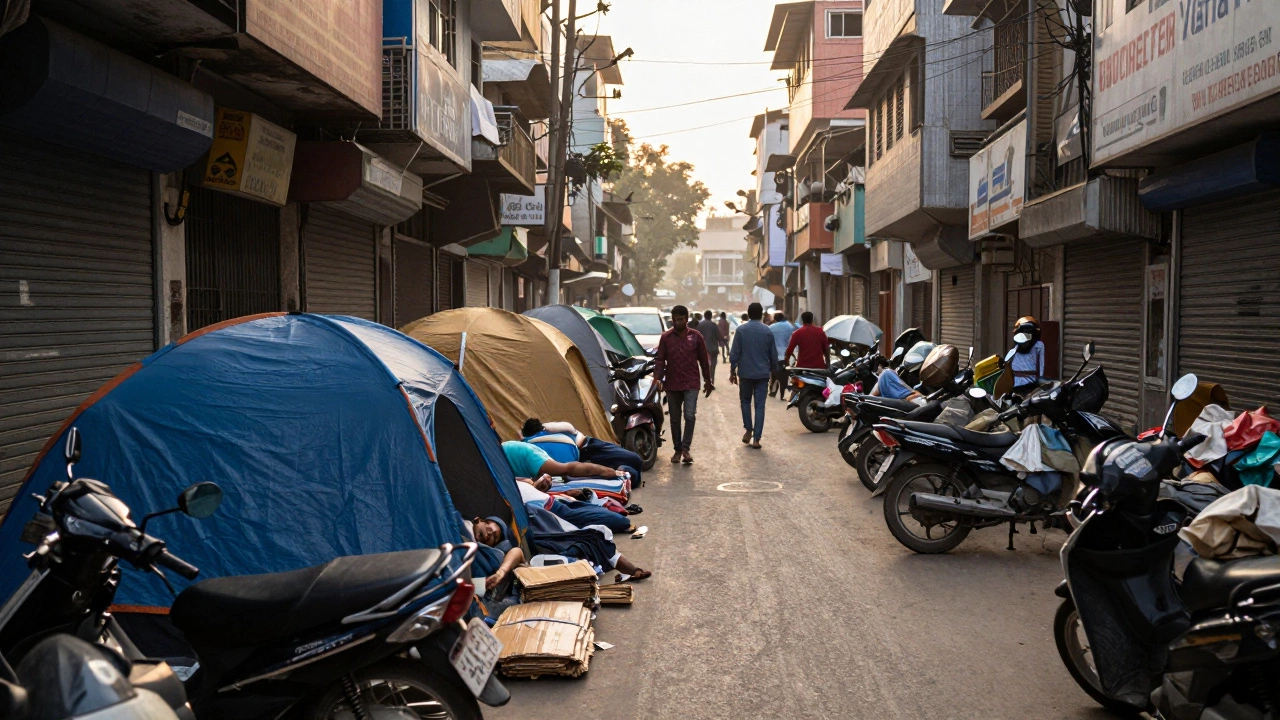
When we talk about urban homelessness, the condition of people without stable housing in cities, often living on streets, in vehicles, or in temporary shelters. Also known as street homelessness, it’s not a choice—it’s the result of broken systems, rising rents, and gaps in social support. In cities across the U.S. and beyond, you’ll see people sleeping under bridges, in doorways, or in cars. But behind every person is a story tied to job loss, mental health struggles, domestic violence, or the simple fact that no apartment is affordable anymore.
Rapid re-housing, a program that helps people move quickly from homelessness into permanent housing with short-term financial help and case management. Also known as housing-first approach, it’s one of the few strategies proven to work at scale. Places like Arkansas and other states use it to cut costs and save lives—because keeping someone in a shelter for years is more expensive than helping them get an apartment fast. Then there’s homeless assistance, the broad range of services from food programs to mental health outreach that try to fill the gaps left by housing policy. These aren’t charity handouts—they’re basic human needs being met by local nonprofits, churches, and city workers who are stretched thin.
But not every response helps. In Texas and other states, lawmakers have passed laws that criminalize sleeping outside—even when shelters are full. These rules don’t solve homelessness. They just push it further into the shadows. Meanwhile, programs like Start Smart Program, a targeted effort in Arkansas to help homeless youth get housing, education, and job training. show what real support looks like: direct, personalized, and focused on long-term stability.
Urban homelessness isn’t getting better because we keep treating symptoms instead of causes. You can’t fix it with more police or stricter laws. You fix it with housing, with income support, with mental health care, and with communities that refuse to look away. The posts below cover real stories, real policies, and real solutions—from how to qualify for housing help in your state, to what charities should avoid donating, to the legal traps cities are setting for people with nowhere else to go. This isn’t theoretical. These are the tools, the rules, and the resistance shaping the lives of thousands right now.