US Environmental Organizations: What They Do and How They Drive Change
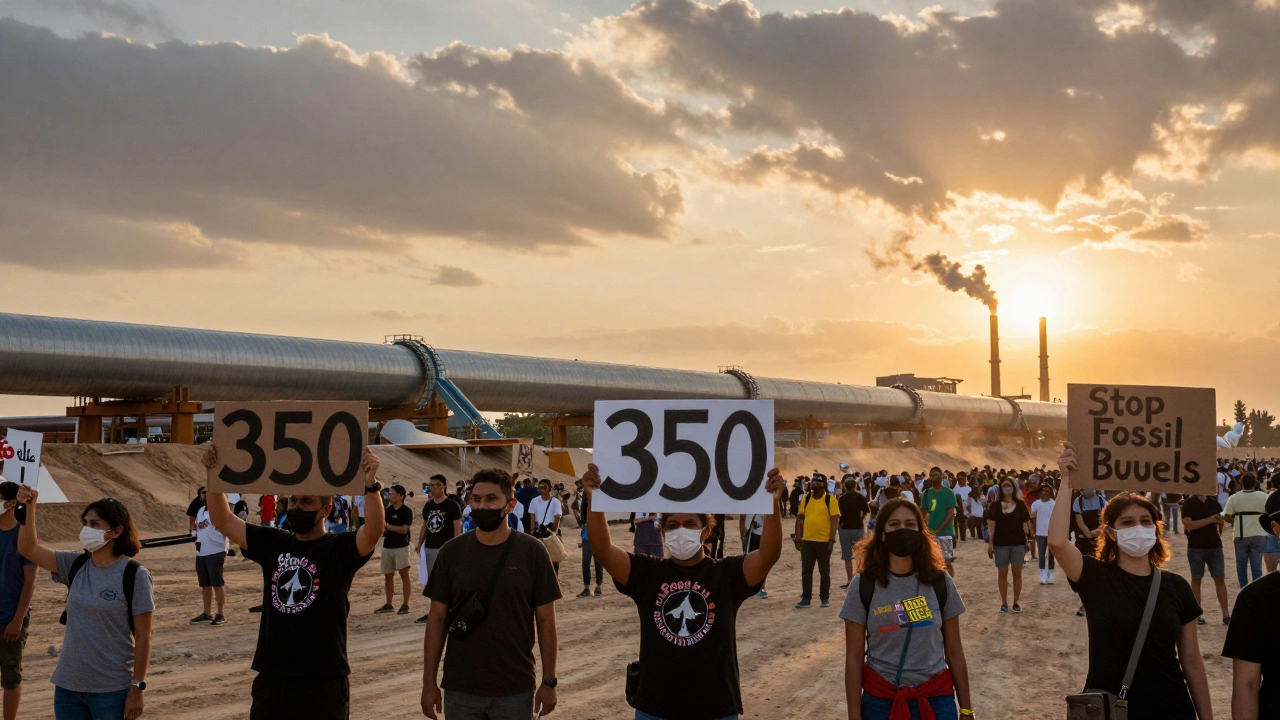
When you think of US environmental organizations, nonprofits and advocacy groups focused on protecting natural resources, fighting pollution, and pushing for climate policy in the United States. Also known as environmental groups, they’re not just protesters with signs—they’re scientists, lawyers, educators, and local volunteers building real solutions. These groups don’t wait for government action. They file lawsuits to stop toxic spills, restore wetlands after oil leaks, train communities to monitor air quality, and push state legislatures to ban single-use plastics. In places like Texas and Virginia, they’ve helped launch programs that give low-income families access to clean water and safe housing—because environmental justice isn’t just about forests and rivers, it’s about people.
What makes these organizations work isn’t big budgets or celebrity endorsements. It’s structure. Behind every successful campaign are clear outreach roles, specific jobs like volunteer coordinators, door-to-door canvassers, and data managers that turn passion into results. You can’t save a river if no one knows how to talk to the people living next to it. That’s why groups spend time training teams—not just for events, but for long-term relationships. And they use plain language. Instead of saying "outreach," they say "knocking on doors," "hosting town halls," or "giving free workshops on recycling." That’s how they build trust. They know that if you want people to act, you have to meet them where they are, not where you think they should be.
These groups also rely on smart, measurable work. They track how many trees they’ve planted, how many pounds of plastic they’ve kept out of landfills, and how many families got help with energy bills after a heatwave. They don’t just post photos of clean beaches—they show the before-and-after data. That’s why you’ll find guides here on how to run a fundraiser that lasts the right amount of time, how to prove your volunteer hours count, and how to pick the right words when talking about community work. It’s all connected. You can’t fix the environment without fixing how we organize, communicate, and support each other.
Some of the biggest wins in recent years came from local groups—not national ones. A small team in Arkansas got a state program running to help homeless youth get housing and job training. In Virginia, advocates turned a school-choice policy into a tool for environmental education. These aren’t accidents. They’re the result of people who showed up, learned the rules, and stayed long enough to change them. The US environmental organizations that last aren’t the loudest. They’re the ones who listen, adapt, and keep going when the news cycle moves on.
Below, you’ll find real guides on how these groups operate—from fundraising to volunteer management to policy wins. No fluff. No jargon. Just what works.