Ecological Community Identifier
Select the key characteristics of a habitat to identify its ecological community type, dominant species, and primary threats.
Habitat Characteristics
You walk into a local park and see people planting trees. You join an online forum discussing carbon offsets. You volunteer at a wetland cleanup on Saturday morning. These are all human communities working to protect nature. But what about the communities *in* nature? When we talk about "communities" in an ecological context, we aren't talking about Facebook groups or neighborhood watch associations. We are talking about the intricate web of living things that interact with each other and their physical environment.
Understanding these biological communities is crucial if you want your environmental groups to make a real impact. You can't save a forest if you don't understand how it functions. You can't restore a reef if you don't know who lives there and who eats whom. This guide breaks down the different types of communities found in ecosystems, explains how they work, and shows you why this knowledge matters for conservation efforts right here in Australia and beyond.
What Exactly Is an Ecological Community?
Before we list the types, let's define the core concept. An ecological community is a group of interacting populations of different species living in a specific area. It’s not just a random collection of animals and plants. These organisms share resources, compete for space, prey on one another, or help each other survive.
Think of it like a bustling city. In Sydney, humans interact with pigeons, rats, seagulls, eucalyptus trees, and bacteria in the soil. They form a functional unit. If you remove one key player-say, the bees-the whole system shifts. Pollination drops, plant reproduction slows, and food sources for birds diminish. That chain reaction defines a community. It is defined by its interactions, not just its membership list.
Ecologists classify these communities based on several factors: the dominant vegetation, the climate, the geographic location, and the trophic levels (who eats whom). By understanding these categories, you can better identify which habitats need protection and which species are keystone players holding the system together.
Terrestrial Communities: Life on Land
Land-based communities are the most visible to us. They range from dense rainforests to sparse deserts. Each type has distinct characteristics driven by temperature, rainfall, and soil quality.
Forests and Woodlands
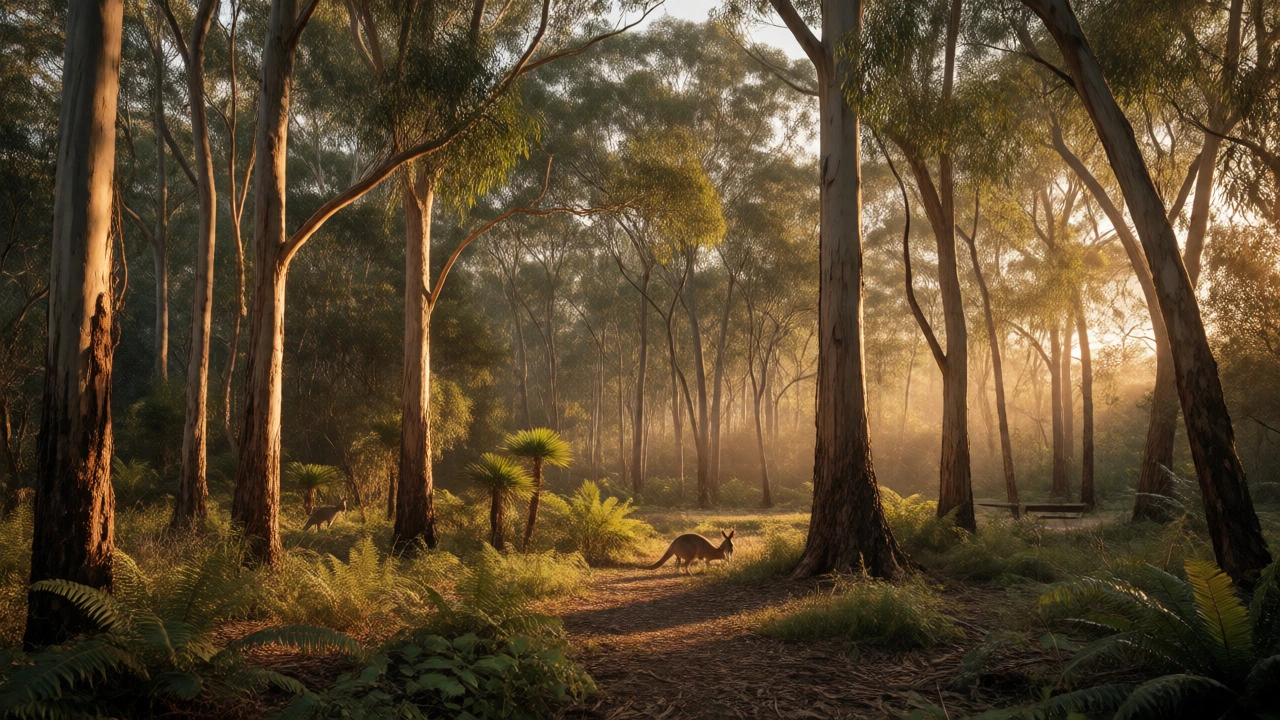
Forest communities are dominated by trees and support high biodiversity. In Australia, our eucalypt forests are unique because they are adapted to fire. The Eucalyptus tree is a genus of flowering plants native to Australia that dominates many terrestrial ecosystems. Its leaves contain oils that promote intense fires, which actually help clear undergrowth and trigger seed germination.
In a temperate deciduous forest, like those in North America or Europe, seasons drive the community structure. Trees lose leaves in winter, creating a thick layer of leaf litter that decomposes quickly, enriching the soil. This supports fungi, insects, and small mammals. Contrast this with tropical rainforests, where decomposition is rapid due to heat and humidity, leading to nutrient-poor soils despite lush vegetation. The canopy layers create micro-communities: epiphytes live on branches, while jaguars hunt on the forest floor.
Grasslands and Savannas
Grasslands are communities dominated by grasses rather than large shrubs or trees. They exist where rainfall is too low to support forests but too high for deserts. The Great Plains in the US or the Serengeti in Africa are classic examples. Here, herbivores like bison or wildebeest shape the landscape through grazing. Their movement prevents woody plants from taking over, maintaining the open habitat needed for ground-nesting birds.
Savannas are similar but feature scattered trees. In Northern Australia, savanna communities rely heavily on seasonal rains. During the wet season, productivity spikes; during the dry season, fires sweep through, clearing dead biomass. This cycle creates a dynamic community where kangaroos, wallabies, and various bird species adapt to boom-and-bust resource cycles.
Deserts and Tundras
Extreme environments host specialized communities. Desert communities, such as the Outback in central Australia, have low population densities. Organisms here conserve water and tolerate extreme temperatures. Cacti in the Americas store water; succulents in Australia do the same. Animals like reptiles and nocturnal mammals avoid daytime heat. Biodiversity is lower, but endemism (species found nowhere else) is often high.
Tundra communities, found in the Arctic and high mountains, face permafrost and short growing seasons. Vegetation is limited to mosses, lichens, and dwarf shrubs. Despite harsh conditions, migratory birds and caribou form temporary but critical parts of this community during summer months.
Aquatic Communities: Life in Water
Water covers more than 70% of Earth’s surface, yet aquatic communities are often less understood by the general public. They are divided into freshwater and marine systems, each with distinct challenges.
Freshwater Communities
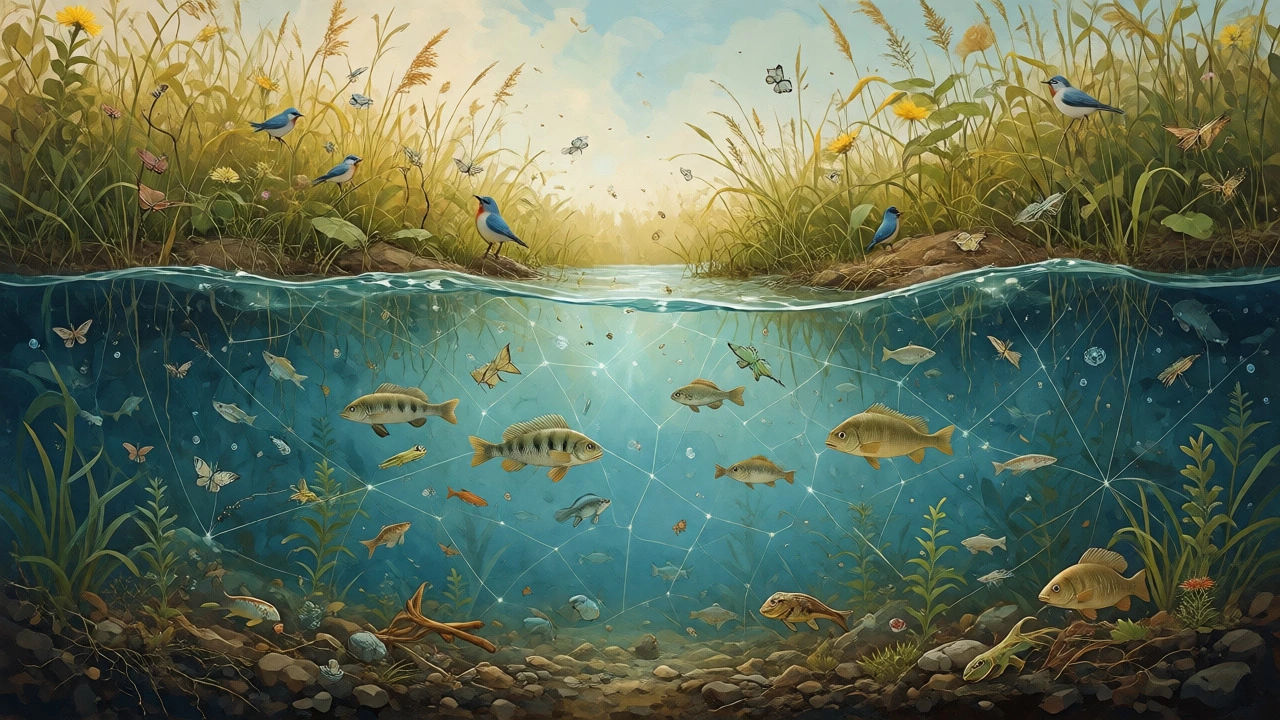
Freshwater ecosystems include lakes, rivers, streams, and wetlands. Lentic ecosystems refer to still waters like lakes and ponds, while lotic ecosystems involve flowing waters like rivers and streams. Lentic communities stratify by depth and light penetration. The surface zone supports phytoplankton and algae, forming the base of the food web. Deeper zones may lack oxygen, supporting only specialized bacteria and fish like catfish.
Rivers, being lotic, have currents that transport nutrients and oxygen. Fish like trout require high-oxygen environments found in fast-flowing sections. Riparian zones-the land-water interface-are critical transition communities. They filter runoff, stabilize banks, and provide shade. Protecting riparian corridors is a common goal for environmental groups working on water quality.
Marine Communities
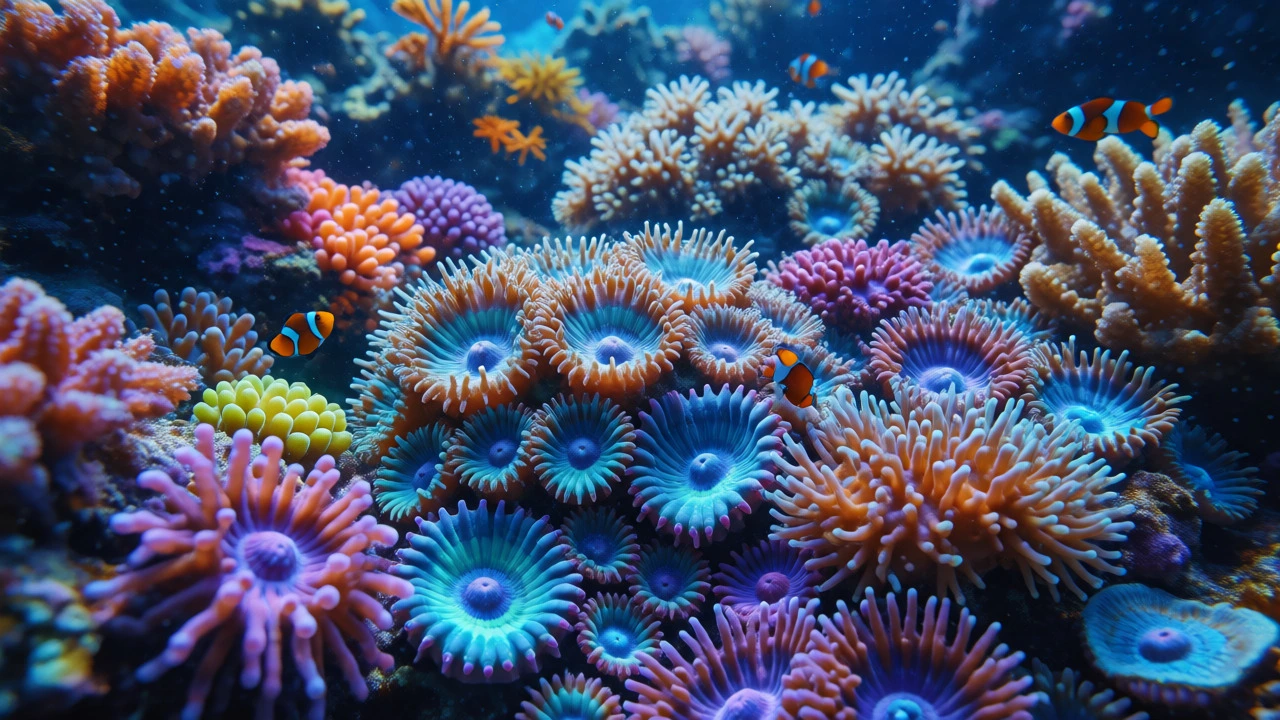
Marine communities are vast and varied. Coral reefs are among the most diverse ecosystems on Earth, often called the "rainforests of the sea." They are built by colonies of tiny animals called coral polyps, which have a symbiotic relationship with microscopic algae called zooxanthellae. The algae provide food via photosynthesis; the coral provides shelter. Bleaching events occur when stress causes corals to expel algae, threatening the entire community structure.
Open ocean communities, known as pelagic zones, differ significantly from coastal ones. Here, life floats freely. Phytoplankton drifts near the surface, feeding zooplankton, which feeds small fish, which feeds tuna and sharks. Deep-sea communities rely on detritus falling from above or chemosynthesis around hydrothermal vents, where bacteria convert chemicals into energy without sunlight.
The Role of Trophic Levels in Community Structure
All communities, whether terrestrial or aquatic, organize themselves into trophic levels. This hierarchy determines energy flow and stability.
- Producers: Plants, algae, and cyanobacteria that convert sunlight into energy.
- Primary Consumers: Herbivores like deer, rabbits, and plankton-eating whales.
- Secondary Consumers: Carnivores that eat herbivores, such as foxes, spiders, or small fish.
- Tertiary Consumers: Apex predators like eagles, lions, or great white sharks.
- Decomposers: Fungi and bacteria that break down dead matter, recycling nutrients back to producers.
Disrupting any level affects the whole. Remove apex predators, and herbivore populations explode, leading to overgrazing and habitat degradation. This phenomenon, known as a trophic cascade, highlights why protecting top predators is essential for ecosystem health.
Human-Modified Communities: The Anthropocene
We cannot ignore human influence. Many "natural" communities are now managed or altered by people. Agricultural fields are simplified communities with low biodiversity but high productivity. Urban parks are hybrid communities where native species coexist with invasive weeds and domesticated animals.
Environmental groups often focus on restoring degraded communities. For example, removing invasive cane toads in Queensland helps native frog populations recover. Replanting mangroves in coastal areas restores nursery habitats for fish. These actions aim to return communities to a more balanced state, though true wilderness is increasingly rare.
| Community Type | Key Characteristics | Dominant Species Examples | Primary Threats |
|---|---|---|---|
| Temperate Forest | Four seasons, moderate rainfall, rich soil | Oaks, maples, deer, bears | Logging, fragmentation |
| Tropical Rainforest | High humidity, constant warmth, high biodiversity | Mahogany, jaguars, toucans | Deforestation, mining |
| Coral Reef | Warm shallow water, high salinity, complex structure | Corals, clownfish, parrotfish | Warming oceans, acidification |
| Desert | Low precipitation, extreme temperature swings | Cacti, camels, lizards | Urban sprawl, water diversion |
| Freshwater Wetland | Saturated soil, slow-moving water, high nutrient cycling | Cattails, herons, frogs | Drainage, pollution |
Why Community Knowledge Matters for Your Group
If you run or participate in an environmental group, knowing these types helps you set realistic goals. You wouldn't use the same strategy to save a desert tortoise as you would to protect a kelp forest. Deserts need water conservation policies; kelp forests need protection from overfishing and warming seas.
Furthermore, recognizing indicator species allows you to monitor health. Frogs are sensitive to water quality; their decline signals pollution before humans notice. Lichens indicate air quality. By tracking these bio-indicators within specific community types, your group can advocate for evidence-based policy changes.
Collaboration across sectors also depends on this understanding. Farmers, urban planners, and ecologists speak different languages. Framing issues in terms of "community resilience" or "habitat connectivity" bridges gaps. It shifts the conversation from saving single species to preserving functional networks.
What is the difference between a population and a community?
A population consists of individuals of the same species living in the same area, such as a herd of kangaroos. A community includes multiple populations of different species interacting in that same area, such as kangaroos, grasses, insects, and bacteria living together in a grassland.
Are human beings part of ecological communities?
Yes, humans are part of ecological communities. We interact with other species through consumption, habitat modification, and disease transmission. Our activities significantly alter community structures, often simplifying them or introducing new dynamics.
How does climate change affect ecological communities?
Climate change shifts the ranges of species, causing mismatches in timing (phenology) and disrupting interactions. For example, if flowers bloom earlier due to warmer springs but pollinators emerge later, both populations suffer. This leads to community reorganization and potential loss of biodiversity.
What is a keystone species?
A keystone species has a disproportionately large effect on its environment relative to its abundance. Removing a keystone species, like sea otters or beavers, can cause the collapse of the entire community structure, even if other species remain present.
Can artificial communities replace natural ones?
Artificial communities, like urban parks or restored wetlands, can provide habitat and ecosystem services, but they rarely match the complexity and resilience of natural communities. They serve as important buffers and educational tools but should complement, not replace, wild areas.