Charity Event Matcher
Not sure what to call your next fundraiser? Or confused by an invitation? Use this tool to match your event characteristics with the correct industry terminology. This helps set the right expectations for attendees regarding dress code, cost, and impact.
Event Details
Fill out the form on the left to discover the correct terminology for your event.
You’re scrolling through your local community calendar or a friend’s social media feed. You see an invitation for a "Gala," another for a "Fun Run," and yet another for a "Benefit Concert." They all raise money for good causes, but they aren’t called the same thing. Why does one event get labeled a charity ball while another is just a "donation drive"?
The name of a charity event isn’t just a label; it’s a signal. It tells you what to wear, how much to spend, who will be there, and what kind of impact your ticket price will actually make. If you are organizing an event or trying to decide which one to attend, understanding the specific terminology helps you navigate the landscape of philanthropy without feeling out of place.
Why Does the Name Matter?
Think about the last time you attended a formal wedding versus a backyard barbecue. The activity might both involve eating and drinking, but the expectations are wildly different. Charity events work the same way. The title sets the psychological contract between the organizer and the attendee.
If an event is called a "Gala," you expect black-tie attire, expensive tickets, and high-profile speakers. If it’s called a "Fun Walk," you expect sneakers, casual conversation, and low-cost entry fees. Mislabeling an event can lead to awkward moments-like showing up in a tuxedo to a mud run, or wearing jeans to a dinner where the average donation per plate is $500.
For organizers, choosing the right name is a strategic decision. It dictates the budget, the marketing channel, and the donor demographic. For attendees, knowing the definitions helps you choose events that match your comfort zone and financial capacity. Let’s break down the most common types you’ll encounter.
Formal Gatherings: Galas and Balls
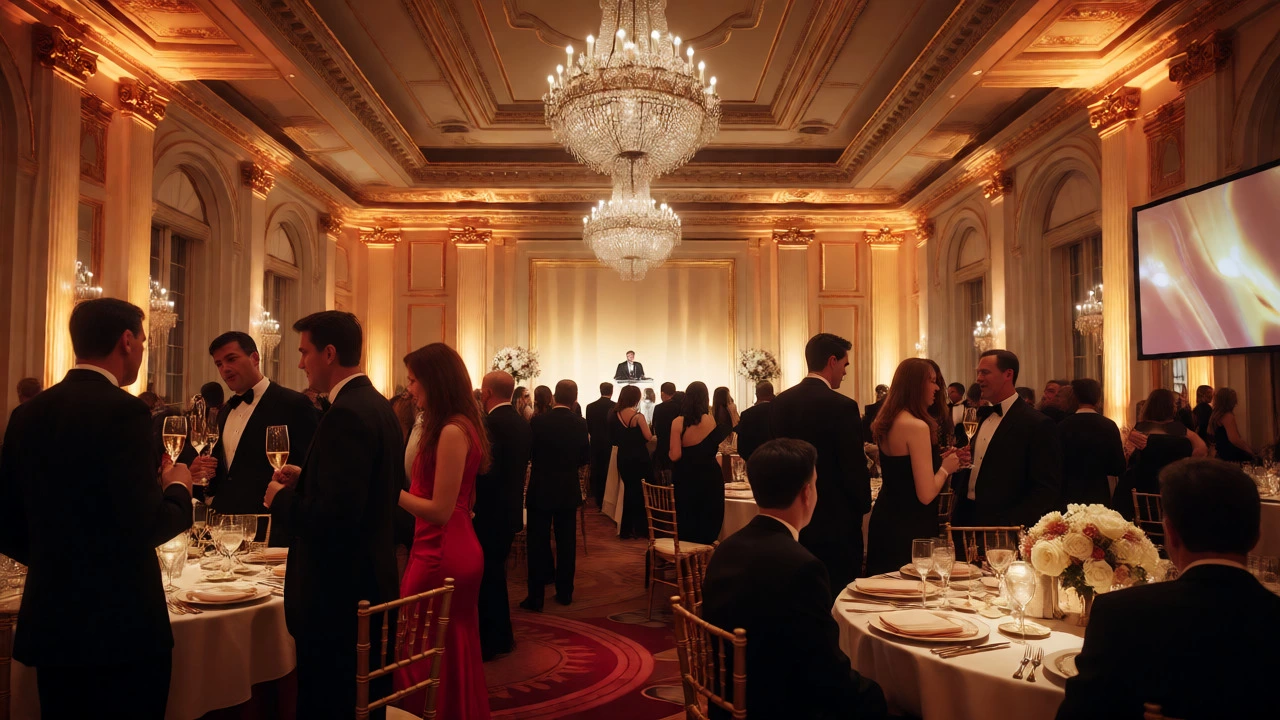
When people hear "high-end fundraising," they usually picture a Gala Dinner is a formal evening event featuring dinner, entertainment, and speeches, typically used to raise significant funds through ticket sales and sponsorships. These are the heavy hitters of the charity world. They are designed to attract major donors and corporate sponsors who want visibility alongside prestige.
A Gala is distinct from a simple dinner because of its structure. There’s usually a program: a host, a keynote speaker (often someone with a personal connection to the cause), and a silent or live auction segment. The ticket price covers the meal, but the real money comes from the "upsells"-the auction items, the raffle tickets, and the direct donation appeals made during the speeches.
Related to galas are Charity Balls is large-scale formal dances or celebrations, often associated with debutante traditions or seasonal holidays, focusing on social prestige and networking. While similar to galas, balls emphasize dancing and social interaction over structured presentations. Think of the Met Gala in New York or local holiday balls. The primary value here is often networking among elites, though the fundraising component remains critical.
- Expectations: Formal dress code, seated dinners, limited seating capacity.
- Cost Structure: High ticket prices ($150-$1,000+ per person).
- Goal: Major donor acquisition and brand positioning.
Active Fundraisers: Runs, Walks, and Rides
If you prefer sweat over suits, you’re likely looking at participatory events. These fall under the umbrella of Peer-to-Peer Fundraising Events is activities where participants solicit donations from their personal networks to support a cause, often tied to physical challenges. The most famous example is the "Race for the Cure" or local marathon entries dedicated to a charity.
These events rely on volume. Instead of selling 200 tickets at $500 each, an organizer sells 5,000 registration slots at $50 each. But here’s the catch: the registration fee rarely covers the full cost of the event. Participants are expected to fundraise separately. When you sign up for a charity walk, you’re essentially becoming a micro-fundraiser, asking friends and family to sponsor your effort.
Common variations include:
- Walkathons: Low intensity, inclusive for all ages, often focused on health-related causes like cancer research or heart disease.
- Cycle Challenges: Longer distances, higher commitment, often attracting corporate teams.
- Triathlons/Ironmans: High endurance, requiring months of training, often linked to military charities or disaster relief.
The key difference here is the "ask." In a gala, the ask happens once, publicly. In a fun run, the ask happens dozens of times privately via email and social media. This makes them excellent for building broad community awareness, even if the individual donation amounts are smaller.

Interactive Auctions and Sales
Sometimes the event itself is secondary to the transaction. Charity Auctions is events where goods, services, or experiences are sold to the highest bidder, with proceeds going directly to a non-profit organization are unique because they leverage market value rather than fixed pricing. People pay what they believe an item is worth, often exceeding retail value due to the emotional connection to the cause.
There are two main formats. A Silent Auction allows guests to bid discreetly using paper sheets or mobile apps throughout the evening. It’s low-pressure and great for mingling. A Live Auction, led by an energetic auctioneer, creates urgency and competition. Live auctions typically raise more money per item but require a captive audience and skilled leadership.
Other sales-based events include:
- Rummage Sales/Flea Markets: Selling donated household goods. Great for community cleanup and small-scale fundraising.
- Art Exhibitions: Selling works from local artists. Appeals to cultural patrons.
- Wine Tastings: Selling bottles or tasting packages. Leverages premium product perception.
These events are highly scalable. A church basement rummage sale operates on the same principles as a Sotheby’s charity auction, just at a different scale.
Niche and Themed Events
Not every charity event fits into neat boxes. Many organizations create bespoke experiences tailored to their specific mission. Understanding these niche labels helps you identify opportunities that align with your interests.
A Benefit Concert is a musical performance where ticket sales or donations support a specific charitable cause or artist uses entertainment as the primary draw. Fans come for the music; the charity benefits from the overflow. These are powerful for younger demographics who may not engage with traditional galas.
Similarly, Themed Dinners (e.g., "Italian Night for Food Bank") combine culinary experiences with education. Attendees learn about food insecurity while enjoying pasta. The theme provides a natural talking point, making it easier for strangers to connect-a crucial factor in donor retention.
Don’t overlook Volunteer Days. While not always strictly "fundraising" in cash terms, they raise "social capital." Companies often sponsor employee volunteer days, donating hours or matching gifts. If you see an event listed as a "Service Day," know that your contribution is labor, not necessarily currency.

How to Choose the Right Event Type
Are you attending or organizing? Your approach changes based on your role. Here is a quick comparison to help you decide.
| Event Type | Primary Audience | Effort Level | Revenue Potential | Best For |
|---|---|---|---|---|
| Gala/Ball | High-net-worth individuals, Corporates | High (Planning & Logistics) | Very High | Major annual campaigns |
| Fun Run/Walk | General public, Families | Medium (Marketing & Ops) | Medium-High (Volume) | Awareness & Community building |
| Auction | Bidders, Collectors | Low-Medium (Sourcing Items) | Variable (Item dependent) | Supplemental income |
| Benefit Concert | Fans, Music lovers | Medium (Booking & Venue) | Medium | Youth engagement |
If you are an organizer new to this, start small. A silent auction paired with a casual happy hour is less risky than launching a full-blown gala. Test your donor base’s appetite before committing to high overhead costs.
Regional Differences in Terminology
Language varies by geography. In Australia, where I’m based, you’ll frequently hear the term "Ball" used interchangeably with "Gala," especially for school or hospital fundraisers. The phrase "Daffodil Day" refers specifically to Cancer Council events involving street collections, a tradition deeply embedded in Australian culture.
In the UK, "Bake Sales" and "Cake Stalls" are common terms for informal community fundraising. In the US, "Telethons" were historically dominant but have largely been replaced by digital crowdfunding campaigns linked to live streams. Always check local customs. What sounds grand in Sydney might sound pretentious in a small rural town, and vice versa.
Understanding these nuances prevents marketing missteps. Calling a neighborhood cleanup a "Summit" might confuse locals, whereas calling it a "Community Work Day" invites participation.
Tips for Attendees: Maximizing Your Impact
Now that you know what these events are called, how do you get the most out of them?
- Read the Fine Print: Is the ticket price tax-deductible? Often, only the amount above the fair market value of the meal is deductible. Keep receipts.
- Network Intentionally: At galas, don’t just eat. Ask questions. Who is speaking? Why does this cause matter to them? Personal stories convert skeptics into donors.
- Pledge Before You Bid: If attending an auction, set a budget beforehand. The excitement of the room can lead to overspending.
- Share the Story: Post about the event on social media. Tag the charity. Awareness is a free form of fundraising that amplifies your financial contribution.
Remember, every event type serves a purpose. Whether it’s a muddy fun run or a glittering ball, the goal remains the same: connecting resources to needs. By understanding the terminology, you become a smarter participant in the ecosystem of giving.
What is the difference between a gala and a fundraiser?
A fundraiser is a broad category covering any event designed to raise money. A gala is a specific type of high-formality, high-ticket fundraiser that usually includes dinner, entertainment, and speeches. All galas are fundraisers, but not all fundraisers are galas.
Are charity events tax-deductible?
Generally, yes, but only the portion of the payment that exceeds the fair market value of goods or services received. For example, if a ticket costs $200 and the dinner is worth $100, you may deduct $100. Consult a tax professional for specifics in your jurisdiction.
What is a peer-to-peer fundraising event?
This is an event where individuals raise money from their own networks to participate, such as a charity marathon or walkathon. The organization provides the platform, but the participants do the actual soliciting of donations.
What should I wear to a charity gala?
Most galas specify a dress code on the invitation, commonly "Black Tie," "Cocktail," or "Business Formal." If unsure, err on the side of being slightly overdressed rather than underdressed. Check the venue-if it’s a hotel ballroom, go formal; if it’s a garden party, semi-formal is appropriate.
How do silent auctions work?
Items are displayed with bidding sheets or digital tablets. Guests write down bids anonymously throughout the event. At closing time, the highest bidder wins the item and pays the agreed amount. It allows guests to mingle without interruption.