
Community Outreach Strategy Planner
1. Select Your Organization Type
Focus on mission impact and donor trust
Focus on brand reputation and CSR
Focus on accessibility and civic duty
2. Primary Goal
3. Target Audience
Your Action Plan
Recommended Tactics
Key Metrics for Success
Pro Tip: Remember that outreach is the first step. To build lasting impact, ensure your strategy includes opportunities for two-way dialogue (engagement) rather than just broadcasting information.
Select your organization details and click Generate Strategy Plan to see a customized outreach approach based on best practices.
You see the flyers on telephone poles. You get the emails asking for donations. But what is community outreach really about? It isn't just handing out pamphlets or posting a generic message on social media. At its core, it is the deliberate effort by an organization-whether a business, a school, or a charity-to build genuine relationships with the people around them. It is the bridge between "us" (the organization) and "them" (the public). Without this bridge, even the best intentions can fall flat.
Key Takeaways
- Community outreach is proactive relationship-building, not just marketing or publicity.
- It differs from community engagement because outreach invites participation, while engagement involves shared decision-making.
- Successful programs focus on solving specific local problems rather than generic goals.
- Measuring success requires looking beyond attendance numbers to long-term trust and behavioral change.
- Digital tools expand reach, but face-to-face interaction remains essential for deep connection.
The Core Definition: More Than Just Showing Up
To understand community outreach, you have to look at who initiates the action. Typically, an institution reaches out to a group of people. For example, a hospital might organize a free blood pressure screening in a neighborhood that lacks easy access to clinics. This is outreach. The hospital identifies a need, provides a resource, and opens a door for future interaction.
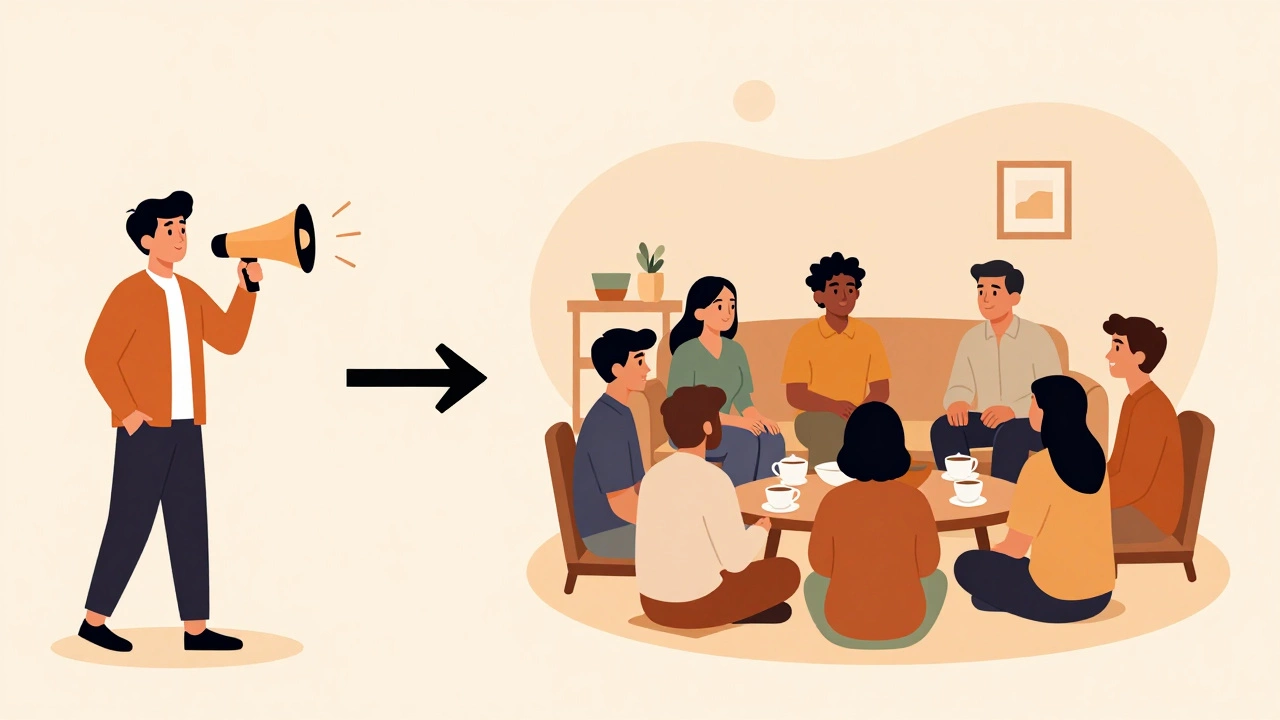
However, there is a common confusion between outreach and community engagement. Think of outreach as knocking on the door. Engagement is inviting someone into the living room to sit down and talk. Outreach is one-way communication aimed at awareness or service delivery. Engagement is two-way dialogue aimed at collaboration. If you only do outreach, you risk being seen as a savior rather than a partner. True impact happens when outreach evolves into engagement.
In Sydney, where diverse cultural groups live side by side, this distinction matters. An organization might send out English-only flyers (outreach), but they won't truly connect until they host multilingual town halls where residents help design the program (engagement). The goal of outreach is to start that conversation.
Why Organizations Invest in Outreach
Why bother? Why spend time and money talking to people who aren't your customers or donors yet? The reasons are practical and strategic.
- Trust Building: In an era of skepticism toward institutions, visibility creates familiarity. Familiarity breeds trust. When a company sponsors a local sports team, they aren't just buying logo placement; they are signaling that they care about the community's well-being.
- Needs Assessment: You cannot solve problems you don't understand. Outreach allows organizations to hear directly from residents about their challenges. A food bank might learn through outreach that families need more than groceries-they need job training resources.
- Reputation Management: Positive interactions create goodwill. If a controversy arises later, a community that feels heard is less likely to react with hostility.
- Talent Acquisition: Schools and businesses use outreach to attract future students or employees. By mentoring high schoolers, a tech firm builds a pipeline of interested candidates.
For nonprofits, outreach is often tied to fundraising. People donate to causes they feel connected to. If you never show up in their lives, why would they give you their money?
Common Types of Community Outreach Programs
Outreach takes many shapes depending on the organization's mission. Here are some effective models used in Australia and globally.
| Type | Description | Best For |
|---|---|---|
| Service-Based | Providing direct aid like free legal advice, health screenings, or tutoring. | Hospitals, law firms, educational NGOs. |
| Educational Workshops | Teaching skills such as financial literacy, coding, or gardening. | Libraries, banks, environmental groups. |
| Event Sponsorship | Funding or staffing local festivals, marathons, or clean-up days. | Corporations seeking brand visibility. |
| Digital Campaigns | Social media drives, webinars, or online petition signatures. | Advocacy groups with limited budgets. |
| Partnership Development | Collaborating with existing community leaders or faith groups. | New organizations entering a neighborhood. |
Each type serves a different purpose. Service-based outreach delivers immediate value. Educational workshops empower individuals with long-term tools. Event sponsorship raises awareness quickly. Digital campaigns scale easily but may lack depth. The most successful organizations mix these approaches. For instance, a mental health charity might run a digital campaign to reduce stigma, followed by in-person support groups facilitated by trained volunteers.
How to Design an Effective Outreach Strategy
Throwing money at a problem rarely works. You need a plan. Start by defining your target audience. Are you reaching teenagers, elderly residents, or small business owners? Once you know who you want to reach, ask yourself: Where do they spend their time? What language do they speak? What barriers prevent them from accessing services?
- Conduct a Needs Assessment: Survey residents, interview local leaders, and review existing data. Don't assume you know what the community needs. Ask them.
- Set Clear Goals: Do you want to increase awareness? Recruit volunteers? Distribute supplies? Specific goals make measurement possible.
- Choose the Right Channel: If your audience uses Facebook, be there. If they gather at the local mosque or church, partner with those institutions. Avoid relying solely on email newsletters, which often miss marginalized groups.
- Train Your Team: Staff and volunteers represent your organization. They should understand cultural sensitivity, active listening, and basic conflict resolution.
- Pilot and Iterate: Launch a small version of your program first. Gather feedback. Adjust before scaling up.
In Sydney, for example, a youth employment program might fail if it only advertises online. Many young people rely on word-of-mouth or connections through schools. Partnering with teachers ensures the message reaches the right ears.
Measuring Success Beyond Numbers
It is tempting to count heads. "We had 50 people at our event!" Great. But did those people stay engaged? Did their lives improve? Quantitative metrics are easy, but qualitative insights matter more.
Look for indicators like:
- Retention Rates: Do participants return for follow-up sessions?
- Referrals: Do attendees bring friends or family? Word-of-mouth is a powerful sign of trust.
- Behavioral Change: Did a financial literacy workshop lead to fewer late payments? Did a health screening result in better management of chronic conditions?
- Community Feedback: Conduct exit surveys or focus groups. Listen to criticism as much as praise.
If you only track attendance, you might celebrate a crowded room while missing the fact that no real connection was made. True success looks like a resident saying, "I didn't know this service existed, and now I feel supported." That shift in perception is the ultimate metric.
Challenges and Pitfalls to Avoid
Outreach is hard work. It requires patience, humility, and consistency. Common mistakes include:
- Tokenism: Inviting community members to sit on a board without giving them real power. This breeds resentment.
- One-Off Events: Hosting a single charity gala and then disappearing. Relationships require ongoing maintenance.
- Jargon Overload: Using technical language that excludes laypeople. Speak plainly.
- Ignoring Cultural Nuances: Assuming one approach fits all. In multicultural cities like Sydney, dietary restrictions, prayer times, and gender norms vary widely. Respect these differences.
- Burnout: Expecting volunteers to work unpaid hours indefinitely. Support your team with proper training and recognition.
Another pitfall is measuring success too quickly. Trust takes years to build and seconds to break. If you launch a program today, expect modest results initially. Consistency over time yields deeper roots.
The Role of Technology in Modern Outreach
Digital tools have transformed how we connect. Social media platforms allow organizations to share updates instantly. Email newsletters keep supporters informed. Video conferencing enables remote workshops. However, technology should enhance, not replace, human interaction.
Consider a hybrid model. Use Instagram to announce a free coding class for teens. Then, hold the class in person at a community center. Follow up with a WhatsApp group for alumni to network. This blend leverages the reach of digital media while preserving the intimacy of face-to-face contact.
Data analytics also help refine strategies. Track which posts get shares, which events fill up fastest, and which demographics engage most. Use this information to allocate resources wisely. But remember: algorithms don't build trust. People do.
Real-World Examples of Impact
Let’s look at two scenarios. First, a local library in New South Wales noticed declining visits from seniors. Instead of just advertising book sales, they launched a "Tech Help Hour" where volunteers taught elders how to use smartphones and video call grandchildren. Attendance soared. More importantly, seniors reported feeling less isolated. The library became a social hub, not just a repository of books.
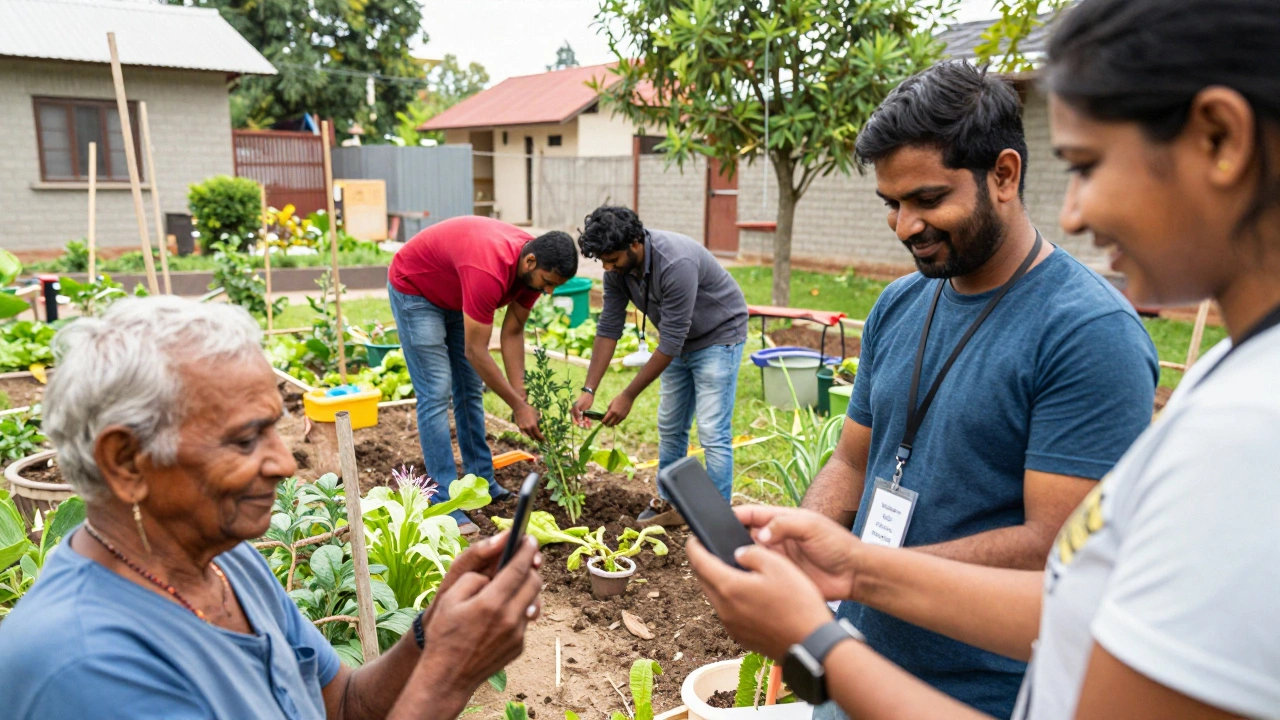
Second, a corporate sponsor wanted to improve its image after a controversial policy change. Rather than issuing press releases, they funded a community garden project led by local residents. Employees volunteered weekends planting vegetables. Residents grew food, neighbors chatted, and the company earned credibility through action, not words.
These examples show that effective outreach solves real problems. It listens first, acts second, and celebrates together.
What is the difference between community outreach and community engagement?
Community outreach is typically one-way communication where an organization provides information or services to the public. Community engagement is two-way, involving dialogue, collaboration, and shared decision-making between the organization and community members. Outreach starts the relationship; engagement deepens it.
How can small nonprofits do outreach with limited budgets?
Focus on low-cost, high-impact activities. Partner with established groups to share resources. Use free social media platforms for promotion. Recruit volunteers from within the community who already trust the cause. Host events in public spaces like parks or libraries to avoid rental fees. Personal connections often cost nothing but yield high returns.
Is digital outreach as effective as in-person outreach?
Digital outreach excels at reach and speed, allowing you to contact thousands quickly. However, in-person outreach builds deeper trust and emotional connection. For complex issues or vulnerable populations, face-to-face interaction is usually superior. A hybrid approach combining both methods often produces the best results.
Who should lead community outreach efforts in an organization?
Ideally, outreach should be led by a dedicated coordinator or team with strong interpersonal skills and cultural competence. However, everyone in the organization plays a role. Leaders must champion the initiative, while staff and volunteers execute it. Cross-departmental collaboration ensures messaging is consistent and resources are aligned.
How do you measure the ROI of community outreach?
Return on investment (ROI) in outreach isn't always financial. Measure it through metrics like increased volunteer sign-ups, higher donation rates, improved brand sentiment, or tangible community outcomes (e.g., reduced crime, better health stats). Combine quantitative data with qualitative feedback from surveys and interviews to get a full picture.