
Homelessness Gift Checker
You’re walking down the street in Sydney, and someone asks for help. Your instinct kicks in. You want to do something good. But here’s the thing: not every gift is actually helpful. Sometimes, what we think is kindness can end up being a burden or even a risk for the person on the other side of the sidewalk.
It’s easy to feel paralyzed by this. You don’t want to be rude, but you also don’t want to make things worse. So, what should you avoid? And more importantly, what should you do instead? This isn’t about judging people; it’s about understanding the reality of life without a home so your help actually lands where it needs to.
The Problem with Perishable Food
Think about the last time you bought fresh fruit or a sandwich from a corner store. Did you eat it immediately? Probably. Now imagine you have no fridge, no microwave, and no way to keep food cool for six hours. Giving someone a perishable item like yogurt, meat, or cut fruit is often less than ideal. It might spoil before they can eat it, forcing them to throw away food they desperately need.
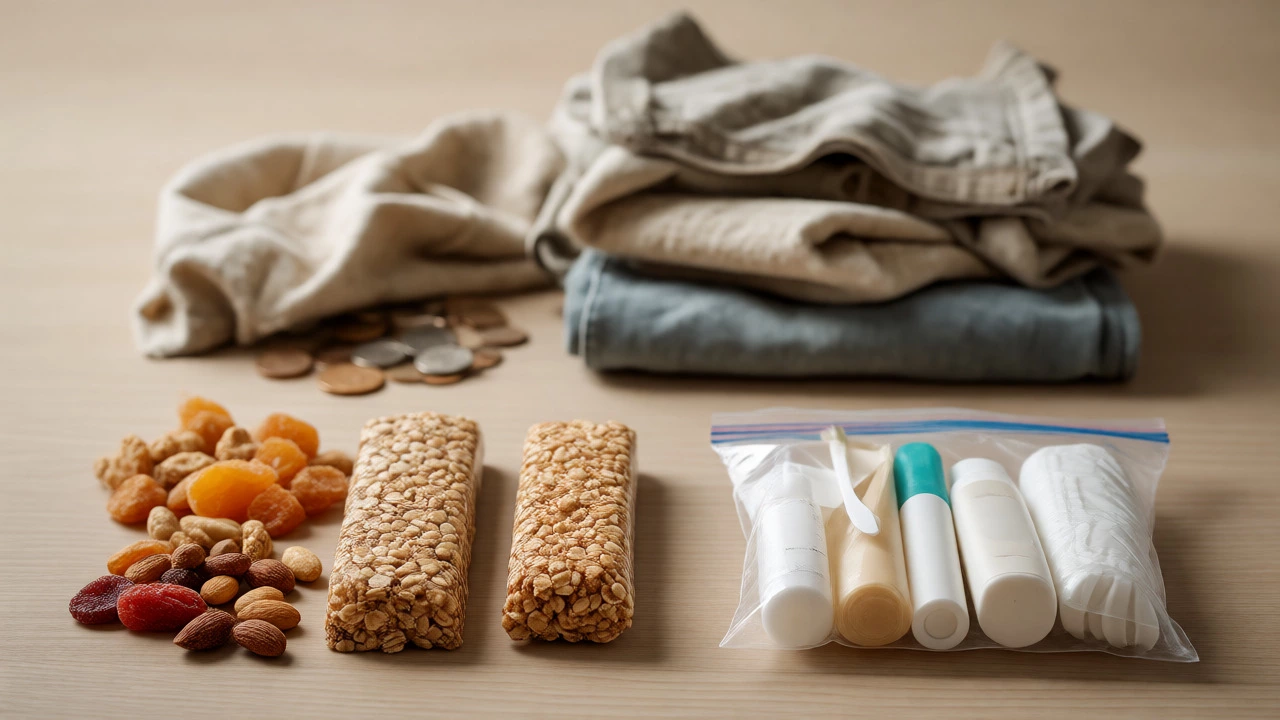
Instead, stick to non-perishables. Granola bars, nuts, dried fruit, and sealed crackers are safer bets. They don’t require refrigeration, they’re easy to carry, and they provide quick energy. If you really want to give a meal, consider buying a voucher for a local café that accepts cashless payments or has a specific policy for helping those in need. That way, the person gets a hot, fresh meal when they decide they’re hungry, not when you handed them a cold sandwich at 9 AM.
Why Old Clothes Can Be a Burden
We all have that box of clothes in our closet we haven’t worn in years. It feels generous to hand over a pile of old jeans and t-shirts. But for someone living rough, carrying around heavy, bulky items is tough. Every pound matters when you’re walking miles a day or trying to fit everything into a small backpack.
Also, not all donated clothes are useful. Torn socks, stained shirts, or shoes with broken soles aren’t just useless-they’re frustrating. Cleaning and repairing these items takes time and resources most homeless individuals don’t have. If you want to donate clothing, check with local shelters first. Many organizations prefer money to buy new underwear, socks, and coats because hygiene products are expensive and wear out quickly. New socks, for instance, are one of the most requested items in shelters across Australia because blisters and foot infections are major health risks for the unhoused.
The Risk of Loose Change
Giving loose change seems harmless. It’s quick, it’s direct, and it feels personal. But there’s a catch. Cash can sometimes put vulnerable people at risk. If someone is struggling with addiction or mental health issues, handing over cash might lead to immediate spending on substances rather than necessities. This isn’t a judgment on their character; it’s a reality of survival mode.
Moreover, holding onto cash makes you a target. Theft is a real danger for people sleeping outdoors. If you want to give money, consider transferring it digitally via apps like Venmo or PayPal if you know the person, or better yet, donate to a reputable organization. Organizations like St Vincent de Paul Society are well-established charities that use donations to provide housing, meals, and support services efficiently. They have systems in place to ensure funds go toward long-term stability, not just immediate relief.
Avoiding Alcohol and Tobacco
This one might surprise some people. Why not give a pack of cigarettes or a bottle of wine? For many people experiencing homelessness, smoking and drinking are coping mechanisms for stress, pain, and trauma. However, as a donor, you’re often supporting an expensive habit that drains limited resources.
Cigarettes cost significantly in Australia, often exceeding $40 for a packet. For someone living on a tight budget, that’s a huge chunk of their daily allowance. By giving alcohol or tobacco, you might inadvertently encourage spending that prevents them from saving for rent or buying essential medications. It’s not about banning vices, but about recognizing that your gift could be competing with basic survival needs. If you see someone smoking, offer a lighter or a pack only if you know they’ve prioritized their essentials for the week.
| Gift to Avoid | Why It’s Problematic | Better Alternative |
|---|---|---|
| Perishable Food | Can spoil without refrigeration; creates waste. | Non-perishable snacks (nuts, granola bars). |
| Old/Bulky Clothes | Heavy to carry; may need cleaning/repair. | New socks, underwear, or shelter vouchers. |
| Loose Change | Risk of theft; may not go to essentials. | Digital transfer or charity donation. |
| Alcohol/Tobacco | Expensive habit; competes with survival costs. | Hygiene kits or warm beverages. |
Hygiene Items Are Gold
If you want to give something tangible that will definitely be used, look at hygiene products. These are often overlooked but critically important. Living on the streets means limited access to showers, laundry facilities, and clean water. Things like wet wipes, toothpaste, toothbrushes, soap, and feminine hygiene products are incredibly valuable.
Consider putting together a small "care kit." A ziplock bag with a travel-sized shampoo, a bar of soap, a comb, and a few sanitary pads or tampons is a thoughtful, practical gift. It respects the person’s dignity and addresses a basic human need that’s hard to meet without a home. Plus, these items are lightweight and easy to store. Unlike a heavy coat, a small bag of toiletries won’t weigh them down during the day.
Respecting Autonomy Over Assumptions
One of the biggest mistakes we make is assuming we know what someone needs based on how they look. We might see a young person and assume they’re lazy, or an older person and assume they’re sick. These stereotypes cloud our judgment. The truth is, homelessness is complex. It involves job loss, domestic violence, mental health struggles, and systemic failures.
When you interact with someone, ask them what they need. It sounds simple, but it changes the dynamic from charity to connection. "Do you have enough food today?" or "Is there anything specific you’d find helpful right now?" gives them agency. Maybe they don’t want food; maybe they need a phone charger, a pen, or just a friendly conversation. Listening is often more powerful than giving.
Supporting Systems, Not Just Symptoms
While individual acts of kindness matter, they don’t solve the root causes of homelessness. In Sydney, the cost of housing is skyrocketing, making it nearly impossible for low-income earners to secure stable accommodation. Giving a single person a meal helps them survive the day, but it doesn’t help them get off the streets.
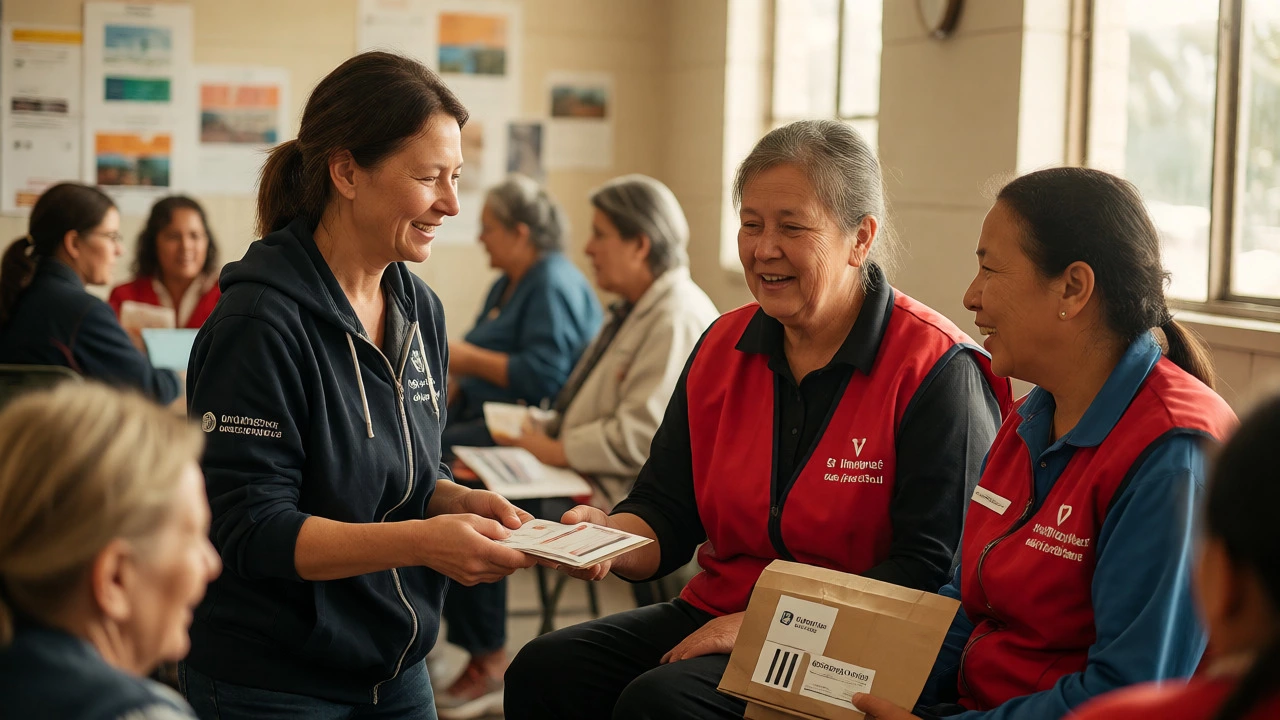
To make a lasting impact, consider supporting organizations that focus on housing-first models. These programs prioritize getting people into stable housing first, then addressing other issues like employment or health. UnitingCare Burnside is another key provider in New South Wales offering housing and community services. Donating to groups like this ensures your money goes toward structural solutions rather than temporary fixes. Volunteering your time is also a great option. Shelters always need people to serve meals, sort donations, or mentor residents. Your time can provide the human connection that isolated individuals often crave.
Common Pitfalls to Watch Out For
Even with good intentions, we can slip up. Here are a few common traps:
- Ignoring Safety: Always assess the situation. If someone seems agitated or under the influence, it’s okay to walk away. Your safety comes first.
- Over-Giving: Dumping a large bag of random items on someone can be overwhelming. Small, targeted gifts are easier to manage.
- Judgmental Attitudes: If you choose not to give, do so politely. A simple nod or smile acknowledges their presence without engaging in a transaction you’re uncomfortable with.
- Assuming Uniformity: Not everyone who is homeless wants the same thing. Some prefer cash, others prefer goods. There’s no one-size-fits-all solution.
Final Thoughts on Effective Altruism
Helping isn’t just about feeling good; it’s about doing good effectively. By avoiding perishable foods, bulky clothes, and risky cash transactions, you reduce the burden on those already struggling. Instead, focus on high-utility items like hygiene products, non-perishable snacks, and support for established charities.
Remember, the goal isn’t to fix everything in one interaction. It’s to treat people with respect and offer help that aligns with their actual needs. Next time you’re out in Sydney, take a moment to think before you reach into your pocket. A little thoughtfulness goes a long way.
Is it rude to refuse to give money to a homeless person?
No, it is not rude. You have the right to decide how you spend your money. A polite decline, such as saying "I'm sorry, I can't help today," is respectful. Many people prefer donating to organizations rather than giving cash directly, which is a valid choice.
What are the best items to give to someone experiencing homelessness?
High-demand items include new socks, underwear, hygiene products (toothbrushes, soap, wet wipes), non-perishable snacks, and gift cards to nearby food outlets. Warm clothing in winter and rain gear in summer are also highly appreciated.
Should I give food or money?
It depends on the situation. Non-perishable food is safe and useful. Money offers flexibility but carries risks of theft or misuse. Many experts suggest donating to reputable charities that can address broader needs like housing and healthcare, rather than giving cash directly.
Are pets allowed in homeless shelters?
Policies vary by shelter. Some allow pets, while others do not. If someone is with a pet, they may be unable to access certain shelters, which can affect where they sleep. Supporting organizations that accommodate pets can help keep families and companions together.
How can I volunteer effectively?
Contact local shelters or charities like St Vincent de Paul or UnitingCare. Ask about their current needs-whether it's serving meals, sorting donations, or providing professional skills like legal advice or tutoring. Consistency is key; regular volunteers are often more valuable than one-time visitors.