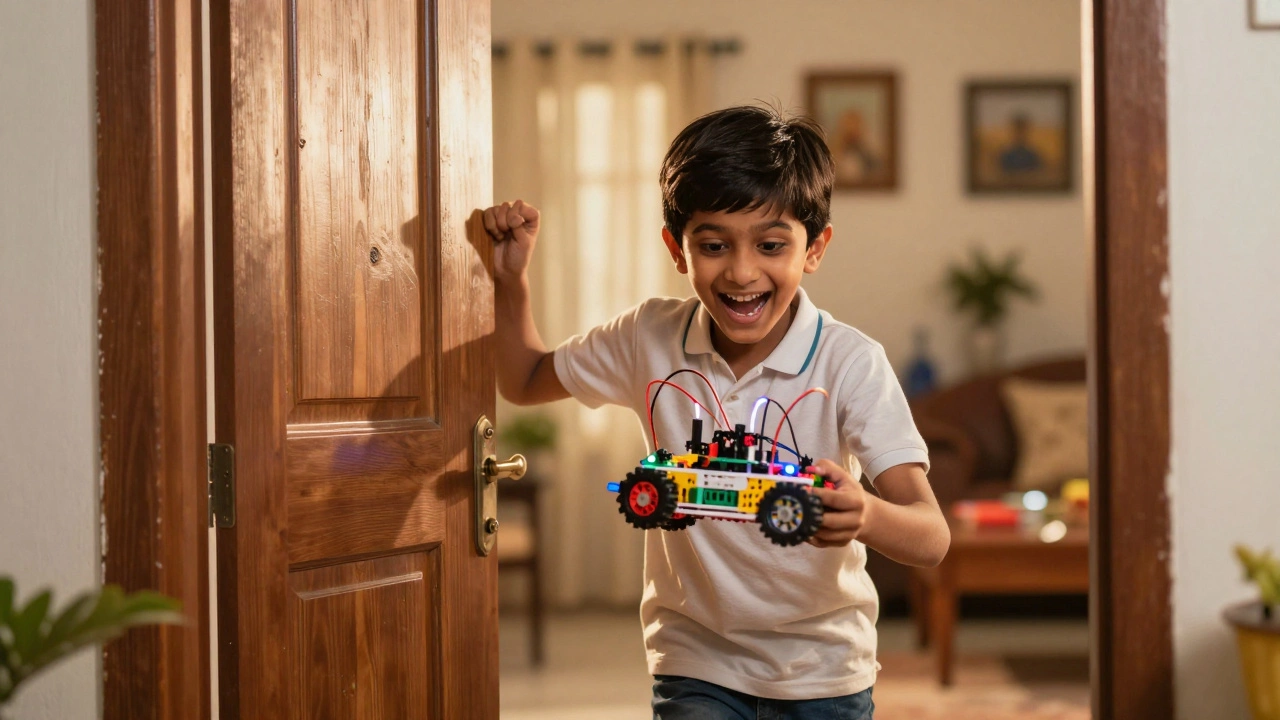
After-School Club Matcher
Help your child find the right fit! Select the traits that best describe your child to see the most compatible club categories.
Recommended Club Types
The Social Safety Net
School is where kids learn the curriculum, but clubs are where they learn the humans. In a standard classroom, children are often grouped by age and academic level, which can limit their social circle. When a child joins a club, those barriers drop. A fifth-grader might mentor a third-grader in a chess club, or a shy student might find their voice in a drama group. These settings act as a low-pressure laboratory for social experimentation. In a sports club, they learn how to handle a loss without a meltdown. In a robotics group, they figure out how to compromise when two people have different ideas on how to build a sensor. This is where they develop Social Intelligence, the ability to read a room and adapt their behavior. If a child only interacts with their immediate classmates, they miss out on the diverse personality types found in a wider community setting.Boosting Brain Power and Academic Confidence
It seems counterintuitive, but doing something *not* related to school can actually make them better at school. When a student struggles with fractions in class, they often feel 'not smart.' However, if that same student is the lead guitarist in a rock band or a star in a coding club, they realize they *can* master difficult skills. This builds a growth mindset. Many Extracurricular Activities provide a practical application for theoretical knowledge. For example, a gardening club teaches biology and ecology in a way that a textbook simply can't. A debate club turns a history lesson into a strategic argument. When kids see the real-world value of what they are learning, their engagement in the classroom spikes. They stop asking "Why do I need to know this?" because they've already seen it in action during their club hour.Mental Health and the 'Pressure Valve' Effect
Modern schooling is intense. Between standardized testing and the social hierarchy of the playground, kids are under more pressure than ever. A club serves as a vital pressure valve. It's a space where the stakes are different. In a painting club, there are no wrong answers or failing grades-just exploration. This provides a necessary mental break. Engaging in a "flow state"-where a person is fully immersed in an activity-reduces cortisol levels and helps kids regulate their emotions. When they spend an hour focused on a Lego build or a dance routine, they are essentially resetting their brains. This means when they finally sit down to do their homework, they are calmer and more focused, rather than exhausted and irritable.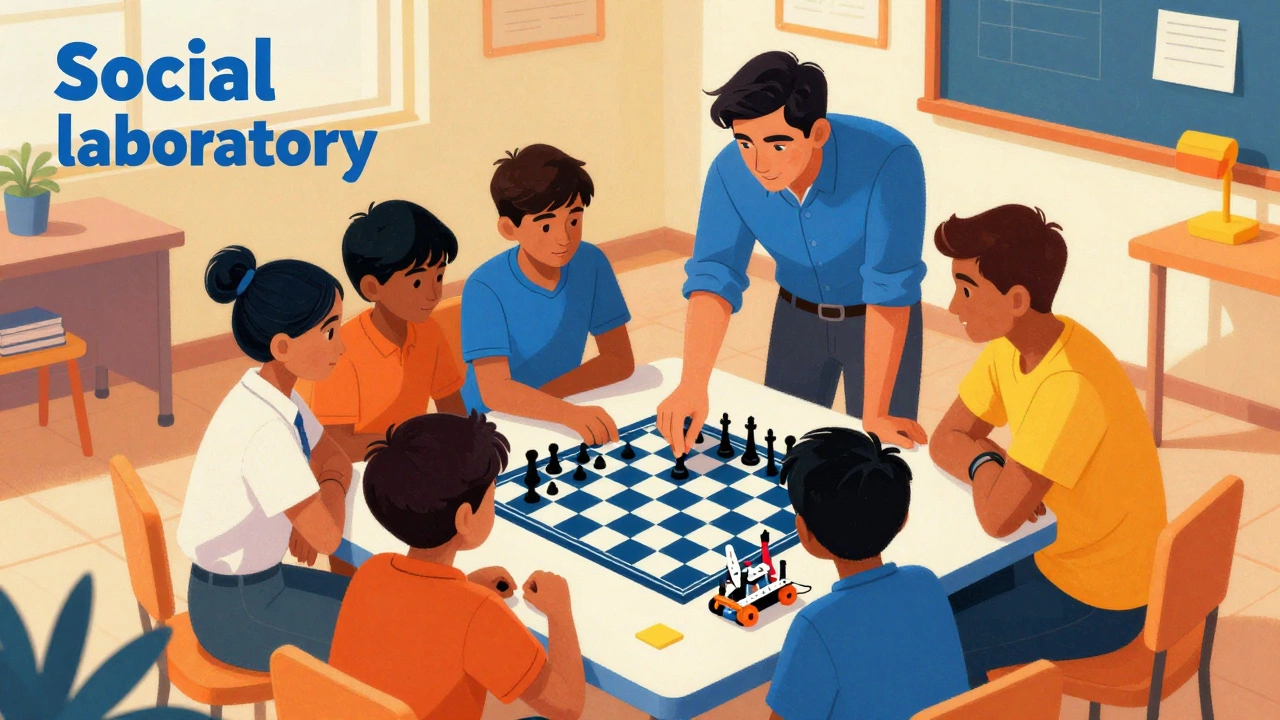
Practical Comparison of Club Types
Depending on your child's personality, different clubs offer different 'wins.' Not every kid needs to be a star athlete, and not every kid wants to spend more time reading. Choosing the right fit is about matching the activity to the missing piece of their development.| Club Type | Primary Skill Developed | Best For... | Typical Outcome |
|---|---|---|---|
| Athletic (Soccer, Swim) | Physical Coordination & Teamwork | High-energy kids | Improved health and resilience |
| STEM (Coding, Robotics) | Logical Reasoning & Problem Solving | Curious, analytical minds | Technical literacy and persistence |
| Creative (Art, Drama) | Emotional Expression & Confidence | Introverted or expressive kids | Self-esteem and public speaking |
| Strategic (Chess, Debate) | Critical Thinking & Planning | Intellectual challengers | Better decision-making skills |
Solving the Parental Logistics Puzzle
Beyond the child's growth, there is the very real issue of the "three o'clock crunch." For working parents, the gap between the end of the school day and the end of the workday is a high-stress zone. After-school clubs provide a safe, supervised environment that eliminates the need for frantic pickup schedules or paying for expensive, unstructured daycare. Moreover, these clubs offer a structured transition. The jump from a rigid school environment to the total freedom of home often leads to chaos. A club acts as a bridge, keeping the child in a productive mindset while allowing them to wind down from the academic pressure. It's a win-win: the child gets a little more autonomy, and the parent gets an extra hour of focused work time without the guilt of knowing their kid is just scrolling on a tablet at home.
Avoiding the 'Over-Scheduling' Trap
While the benefits are huge, there is a tipping point. When a child is in four different clubs a week, the 'pressure valve' becomes another source of pressure. The goal is enrichment, not exhaustion. The key is to look for signs of burnout: irritability, a sudden drop in grades, or a lack of enthusiasm for an activity they used to love. A good rule of thumb is to let the child lead the choice. Instead of signing them up for what you think they *should* do (like mandatory piano lessons), offer a menu of options. When a child chooses their own club, they have an internal investment in the outcome. They aren't just attending a class; they are pursuing a passion.Long-Term Impact on Future Success
If you look at successful adults, they rarely credit their success solely to their GPA. Instead, they talk about the time they led a team to a regional championship or the project they built in a maker-space. These are Soft Skills-leadership, time management, and adaptability-that are rarely taught in a lecture but are ingrained through club participation. By participating in Youth Activities, children build a portfolio of interests. This is incredibly valuable when they hit the teenage years and start thinking about university or careers. A student who has explored five different clubs by age 11 is much more likely to know what they are actually good at (and what they hate) by age 16.Are after school clubs too expensive for the average family?
While some private clubs can be pricey, many schools offer subsidized programs or clubs run by volunteers and teachers for a nominal fee. It's worth checking with the school administration for grants or sliding-scale payment options that ensure all children have access regardless of income.
How do I know if my child is over-scheduled?
Watch for signs of chronic fatigue, a sudden lack of interest in the activity, or a struggle to keep up with homework. If the child starts viewing the club as a 'chore' rather than a 'choice,' it's time to scale back. Ensure they still have at least one hour of completely unstructured 'boredom' time every day.
What if my child is too shy to join a club?
Start with low-stakes, small-group activities. Art or coding clubs are often less intimidating than team sports or drama. Encourage them to join with a friend, or look for 'taster sessions' where they can observe for a week before committing to the full term.
Do clubs actually help with grades?
Yes, indirectly. By building confidence and teaching time management, kids often become more disciplined in their studies. Additionally, STEM and debate clubs directly reinforce classroom learning, making academic concepts feel more relevant and easier to grasp.
Which is better: a school-based club or a private community club?
School clubs are convenient and strengthen the child's bond with their peers and teachers. Private clubs often provide more specialized equipment and a broader range of ages, which can be better for high-level skill development. The best choice depends on whether your priority is convenience or specialized training.