Walmart Overnight Parking Finder & Etiquette Guide
Not all Walmarts allow overnight parking. Use this tool to understand your odds based on location type and prepare the right questions for the manager.
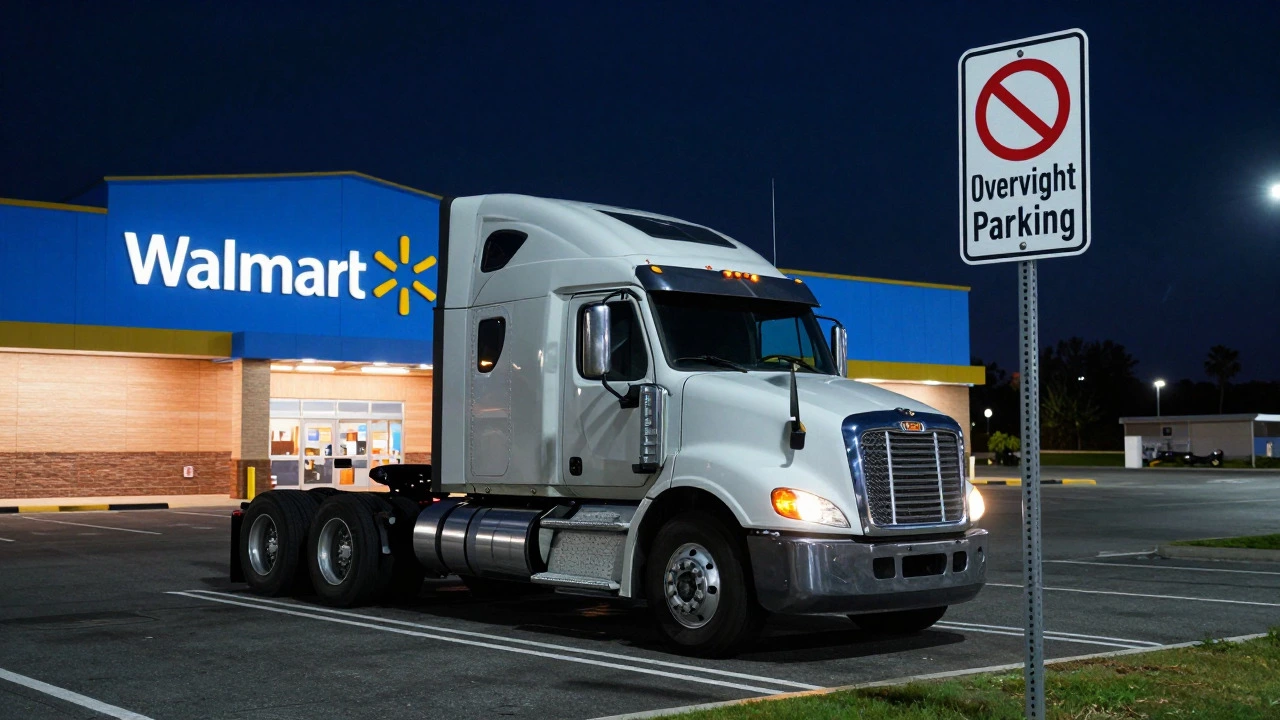
You pull your rig into the Walmart lot after a long day on the road. The lights are bright, the security is visible, and it feels like the perfect place to rest. Then you see the sign: No Overnight Parking. It’s confusing because for decades, this was one of the most reliable perks for travelers. So, why the sudden change? Why does Walmart say no overnight parking when it used to be an unwritten rule that they welcomed everyone?
The short answer is that Walmart doesn’t have a single national policy anymore. The decision rests entirely with individual store managers, local city ordinances, and neighborhood pressure. What started as a friendly gesture to build community trust has evolved into a complex web of legal liabilities and urban planning conflicts. If you’re looking for a safe place to sleep in your vehicle, understanding the 'why' behind these signs can help you find the right spots and avoid getting towed.
The Shift from Welcome Mat to Closed Gate
To understand why the policy changed, we have to look at how the relationship between big-box retailers and local communities has shifted over the last twenty years. In the early days, allowing truckers and campers to park overnight was a strategic move. It built goodwill. Truck drivers would buy coffee and snacks; families on road trips would stock up on groceries. It was a win-win.
However, as suburban sprawl increased, so did the friction. Neighborhoods that once felt rural now found themselves surrounded by dense housing developments. Residents began complaining about noise, light pollution, and strangers walking around their streets at night. Local governments, eager to keep voters happy, started passing stricter zoning laws. Many cities enacted ordinances that prohibited commercial lots from being used as residential spaces, even temporarily.
Walmart is a multinational retail corporation that operates hypermarkets, discount department stores, and grocery stores. While the corporate headquarters in Bentonville, Arkansas, generally supports the tradition, they empower local managers to make decisions based on their specific environment. If a store manager receives complaints from neighbors or pressure from the city council, they will post a "No Overnight Parking" sign to avoid fines or bad press.
This decentralization means there is no universal rule. One Walmart might welcome you with open arms, while the one ten miles down the highway might call the police if you stay past closing time. This inconsistency is what frustrates travelers the most. You can’t rely on a chain-wide standard anymore.
The Impact on Homelessness and Social Welfare
The title of this article mentions homeless shelters, and for good reason. The decline of free overnight parking has had a direct impact on vulnerable populations. For many people experiencing homelessness, a car is not just a mode of transport-it is their home. When commercial parking becomes inaccessible, these individuals lose their primary source of safety and stability.
Historically, Walmart lots served as informal shelters. They offered security cameras, lighting, and staff presence, which made them safer than sleeping under a bridge or in a park. As more stores banned overnight stays, the burden shifted to municipal homeless shelters. These facilities are often already overcrowded, operating at maximum capacity before accounting for those who simply need a place to park their vehicle for the night.
Social welfare organizations argue that banning overnight parking criminalizes poverty. When someone has nowhere else to go, a parking ticket or a towing fee can push them further into debt and instability. Cities that ban overnight parking without providing adequate shelter options are essentially forcing people to choose between breaking the law and sleeping in unsafe conditions.
Consider the case of a single parent working two jobs but unable to afford rent. Their minivan is their bedroom. If every Walmart in town says "no," where do they go? They might end up in a fast-food drive-thru, which is dangerous and stressful, or in a secluded alley, which exposes them to crime. The loss of these informal support networks highlights a gap in our social safety net that formal shelters haven't fully filled.
How to Find Walmarts That Still Allow Camping
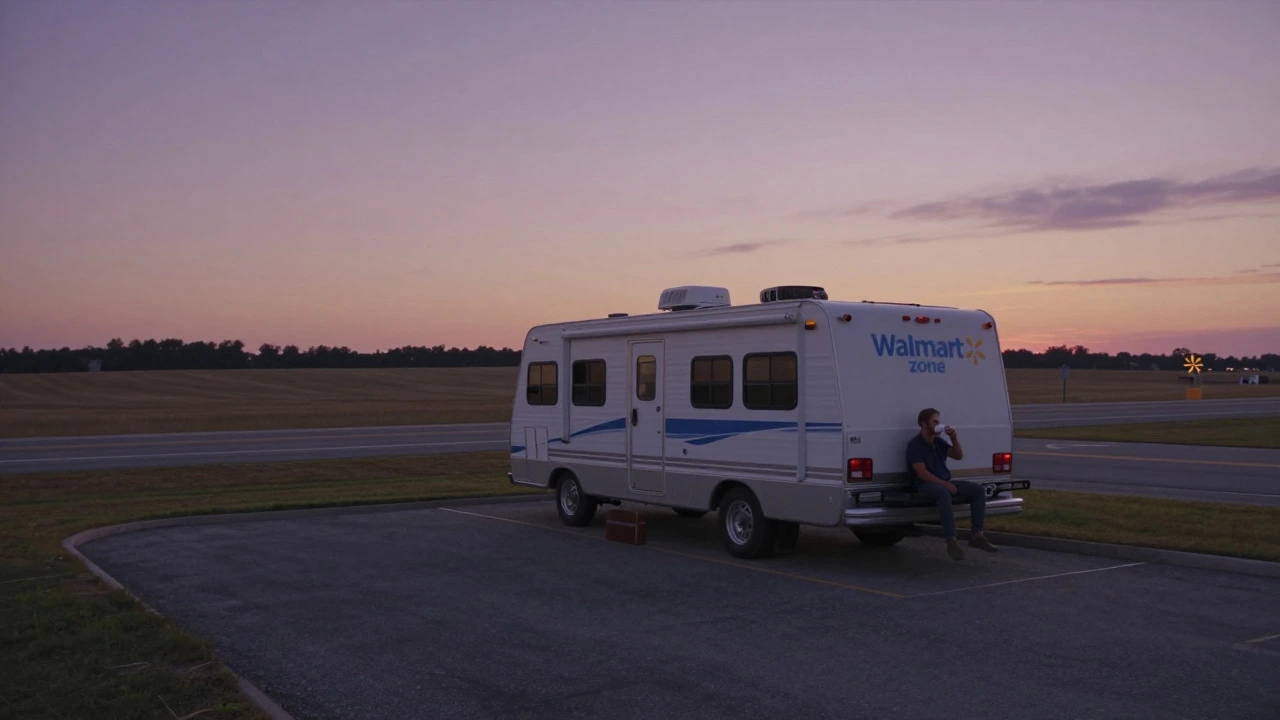
Even though the trend is moving toward restrictions, many Walmarts still allow overnight parking. Finding them requires a bit of detective work. You can’t just show up and hope for the best. Here is how to identify the friendly stores:
- Call Ahead: This is the golden rule. Don’t assume. Call the store directly and ask to speak to the manager on duty. Ask specifically if they allow "overnight parking for RVs or cars." Be polite and brief. If they hesitate or say "check with the city," take that as a soft no.
- Use Dedicated Apps: Applications like iOverlander, AllStays, and Campendium maintain crowdsourced databases of friendly businesses. Users update these apps in real-time, noting whether a specific Walmart allowed them to stay. Look for recent reviews (within the last month) to ensure the information is current.
- Check the Location: Walmarts located in rural areas or near interstate highways are much more likely to allow overnight parking than those in dense urban centers. Stores in small towns often rely on the goodwill of travelers and face less pressure from residential neighbors.
- Look for Signs: Before you even enter the lot, scan the perimeter for signage. A clear "No Overnight Parking" sign usually means exactly that. However, the absence of a sign doesn’t guarantee permission-it just means you need to verify with staff.
If you get the green light, follow the etiquette. Pull in late, leave early, and don’t set up chairs or grills. Treat it like a hotel room, not a campsite. Buy something from the store-coffee, gas, or groceries-to show appreciation. This reciprocity helps maintain the relationship between the business and the traveler.
Alternatives to Walmart for Overnight Parking
If Walmarts in your area are closed off, don’t panic. There are several other options for finding safe, legal places to park overnight. Diversifying your sources reduces stress and ensures you always have a backup plan.
| Option | Cost | Amenities | Reliability |
|---|---|---|---|
| Truck Stops | $0 - $15 | Showers, Wi-Fi, Security | High |
| Cheap Motels | $30 - $60 | Bed, Bathroom, Privacy | High |
| Rest Areas | $0 | Basic Restrooms | Medium (Time Limits) |
| Boondocking Sites | $0 - $20 | Nature, Quiet | Low (Requires Planning) |
| Homeless Shelters | $0 | Meals, Case Management | Variable (Capacity Issues) |
Truck Stops: Chains like Pilot, Flying J, and Love’s are designed for travelers. While some charge a fee for non-truckers, many still allow free overnight parking if you fuel up there. They offer showers and secure environments, making them a top choice for RVers and truckers alike.
Cheap Motels: Sometimes, spending $30 is worth the peace of mind. Budget chains like Motel 6 or Super 8 offer private rooms, hot showers, and no risk of being asked to leave. For families or those needing a full night’s sleep without anxiety, this is often the best value.
Rest Areas: State highway rest areas are free and safe, but they often have strict time limits (usually 2-4 hours). They are great for a nap but not necessarily for a full night’s sleep. Check state-specific regulations, as some states prohibit overnight stays entirely.
Boondocking: For those with self-sufficient vehicles, dispersed camping on Bureau of Land Management (BLM) land or National Forests is a fantastic option. It’s free, quiet, and offers beautiful scenery. However, it requires research to find legal spots and ensure you’re not trespassing.
Navigating Local Laws and Zoning Ordinances
One of the biggest reasons Walmarts ban overnight parking is fear of legal repercussions. Local zoning laws vary wildly from city to city. In some jurisdictions, it is illegal to sleep in a vehicle within city limits, regardless of where you park. In others, it’s perfectly fine as long as you’re not obstructing traffic.
If you’re traveling through a major metropolitan area, expect tighter restrictions. Cities like San Francisco, Los Angeles, and New York have aggressive enforcement against vehicle camping due to high demand for limited space. In contrast, smaller towns in the Midwest or South are often more lenient, viewing travelers as potential customers rather than nuisances.
To navigate this, keep a map of local ordinances handy. Some cities publish lists of "friendly zones" where overnight parking is permitted. Others require permits. Understanding the legal landscape helps you avoid confrontations with police officers who may just be doing their job according to local codes.
The Role of Community and Empathy
Beyond the logistics, there’s a human element to this issue. When we ask "Why does Walmart say no overnight parking?", we’re also asking how society treats its most vulnerable members. The closure of these informal spaces reflects a broader trend of privatizing public life and excluding those who don’t fit the consumer mold.
Community outreach programs and charitable trusts are stepping in to fill the gap. Organizations are creating designated safe parking lots for the unhoused, offering access to restrooms, laundry, and social services. These initiatives recognize that a car is a valid form of housing for many and deserve the same dignity as traditional shelters.
If you encounter someone struggling to find a place to park, consider sharing resources. Point them toward local shelters, food banks, or advocacy groups. Small acts of kindness can make a huge difference in someone’s day. And if you’re a traveler, supporting businesses that remain welcoming helps keep those doors open for future visitors.
Does Walmart still allow overnight parking nationwide?
No, Walmart does not have a uniform national policy. Permission is decided by individual store managers based on local laws and neighborhood preferences. Always call ahead to confirm.
Are there any fees for overnight parking at Walmart?
Generally, no. Most Walmarts that allow overnight parking do so for free. However, it is considered good etiquette to purchase something from the store, such as coffee or groceries, to show appreciation.
What should I do if I get kicked out of a Walmart parking lot?
Remain calm and polite. Ask if there are nearby alternatives recommended by the staff. Use apps like iOverlander to find the next friendly spot. Avoid arguing with security or management, as this can lead to being banned from the entire chain.
How has the reduction in overnight parking affected homeless individuals?
It has reduced safe, accessible sleeping options for those living in vehicles. This has increased pressure on formal homeless shelters and forced some individuals into less safe environments, highlighting a gap in social welfare support.
Where can I find a list of Walmarts that allow overnight parking?
Apps like iOverlander, AllStays, and Campendium provide user-updated lists of friendly locations. Additionally, calling the store directly is the most reliable method to get current information.