📊 Club Health Diagnostic Tool
1. Attendance & Consistency
Do members show up regularly? Is there a pattern of no-shows at specific times?
2. Engagement & Fun Factor
Are meetings structured well? Do members stay until the end? Is it hands-on?
3. Leadership & Delegation
Is everything falling on one person? Are roles clear? Is there burnout risk?
4. Marketing & Visibility
Does the school know about you? Are you getting new sign-ups? Is your social media active?
5. Financial Stability
Can you afford supplies/events? Do you track expenses? Are funds predictable?
Diagnostic Results
Fill out the questionnaire on the left
and click "Run Diagnosis" to see your report.
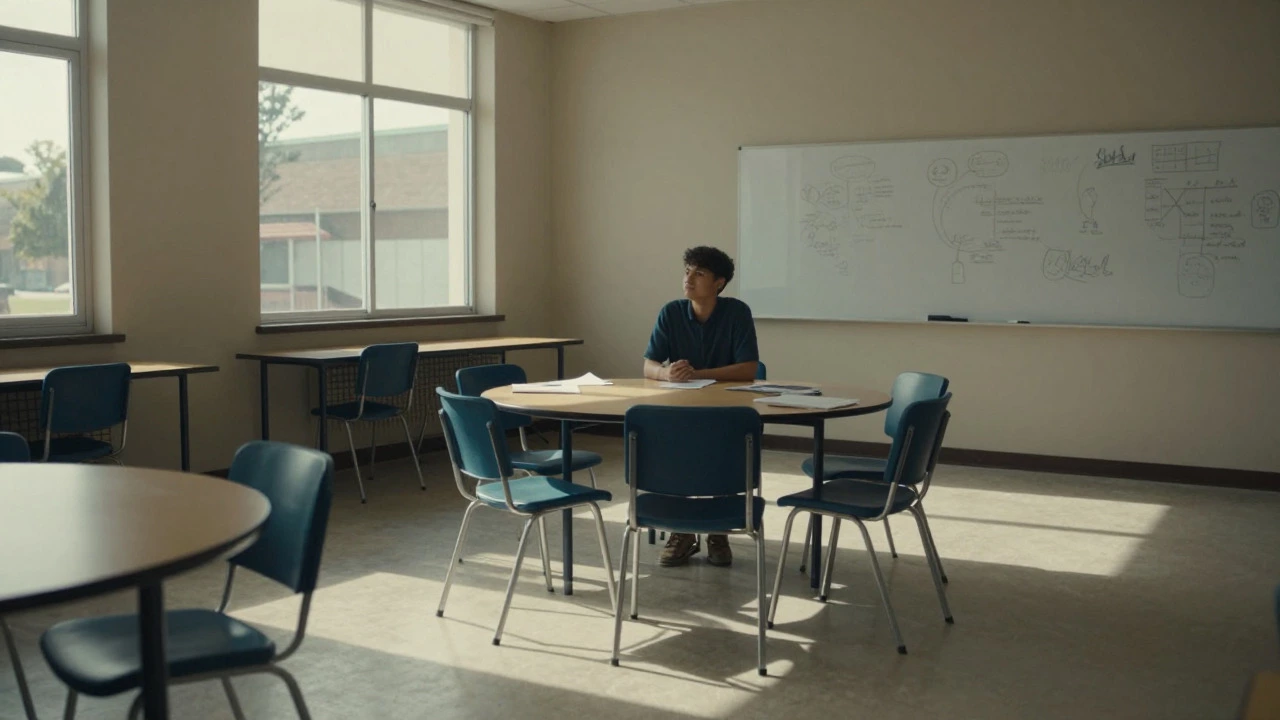
It’s 3 PM on a Tuesday. The bell rings, and while the hallway empties, your school club room feels like a ghost town. You’re the president, and you promised excitement, but right now, it’s just you staring at three empty chairs. This is the reality for many student leaders who feel their after-school clubs are losing momentum. But here’s the good news: a struggling club isn’t a dead one. It’s a puzzle waiting for the right pieces. Whether you’re trying to boost attendance, fix internal drama, or make the budget stretch further, improving a club comes down to understanding what your members actually want and removing the friction that keeps them away.
This guide skips the generic advice like "be passionate." Instead, we’ll look at concrete tactics used by successful student organizations across Australia. We’ll cover how to diagnose why people are leaving, how to structure meetings so they don’t drag, and how to market your group without sounding like a corporate brochure. By the end of this, you’ll have a clear action plan to turn your club from a weekly obligation into a place students genuinely look forward to joining.
Diagnose the Real Problem Before Fixing It
Before you buy new supplies or change meeting times, you need to know *why* things aren’t working. Most student leaders assume low attendance means lack of interest. Often, it’s something else entirely. Is the location inconvenient? Are the meetings too long? Do members feel unheard?
The best way to find out is through direct feedback, but not in the form of a vague suggestion box that no one reads. Try these specific diagnostic steps:
- Conduct a "Stay Interview": Pick your top five most active members and ask them one question: "What would you stop doing if you knew it wouldn't affect your experience?" Their answers will highlight what’s actually valuable versus what’s just filler.
- Check the No-Show Pattern: Look at your attendance log. Are people missing the first 15 minutes? If so, your start time is likely wrong. Are they skipping the last 10? Your ending activity might be weak.
- Analyze the Sign-Up Barriers: Ask potential members who *didn’t* join why. Common reasons include fear of judgment, unclear expectations, or simply not knowing the club exists.
Once you have this data, you can prioritize fixes. If 80% of dropouts say meetings are boring, don’t worry about the budget yet. Focus on content first.
Rethink Your Meeting Structure for Engagement
A typical school club meeting often follows a predictable pattern: announcements, business discussion, then an activity. For adults, this works. For teenagers, it’s a recipe for checking out mentally after ten minutes. To improve engagement, you need to shift the focus from "admin" to "experience."
Here is a proven structure that keeps energy high:
- The Hook (First 5 Minutes): Start with something interactive, not administrative. A quick game, a surprising fact related to your topic, or a short video clip. This wakes up brains and sets a positive tone.
- The Core Activity (Middle 30-40 Minutes): This is the main event. It should be hands-on. If you’re a debate club, run a mock debate. If it’s a coding club, build a small project together. Avoid lectures. Students learn and engage better when they are doing, not listening.
- The Cool Down (Last 10 Minutes): Wrap up with a light social element. Share a win from the week, play a casual game, or just chat. This builds community bonds outside of formal tasks.
Keep total meeting times under 60 minutes if possible. In secondary schools, attention spans are limited, and shorter sessions often yield higher quality participation. If you must go longer, break it into two distinct segments with a clear transition.
Marketing That Doesn’t Feel Like Spam
You can have the best club in the school, but if nobody knows it exists, it doesn’t matter. Traditional flyers on noticeboards get ignored. Digital marketing is more effective, but it needs to be done right. The goal is to create curiosity, not just announce information.
Use these tactics to spread the word effectively:
- Create Teaser Content: Instead of posting "Join our robotics club," post a photo of a robot failing hilariously with the caption "We tried to build a coffee machine. It exploded. Come help us fix it next Tuesday." Storytelling draws people in.
- Leverage Peer Influence: Recruit ambassadors from different year levels. When a popular student in Year 10 talks about the club in the cafeteria, it carries more weight than any official announcement.
- Host Open Days: Don’t wait for the semester to start. Hold a "try before you commit" session where anyone can drop in for 20 minutes without signing up. Low commitment barriers lead to higher conversion rates.
Consistency is key. Post updates regularly, but keep them brief. If you only post once a month, people forget you exist. Aim for one meaningful update per week during the term.

Managing Money Without Stress
Budgets are a common pain point for student leaders. You want to do cool things, but funds are tight. The secret to financial health isn’t having more money; it’s spending less on waste and finding free resources.
Here are practical ways to manage your club’s finances:
| Source | Pros | Cons | Best For |
|---|---|---|---|
| School Grant | Reliable, no fundraising needed | Strict deadlines, limited amounts | Basic supplies, materials |
| Member Dues | Predictable income, member investment | Can deter new sign-ups | Ongoing operational costs |
| Local Business Sponsorship | Higher amounts, brand exposure | Time-consuming to secure | Special events, large projects |
| Fundraising Events | Builds community, fun activity | High effort, variable results | One-off goals, team building |
Aim for a mix. Use school grants for basics, charge a small annual fee (like $20-$30) for commitment, and pursue sponsorships for big-ticket items. Always keep a simple spreadsheet tracking every dollar in and out. Transparency builds trust among members and teachers alike.
Building a Leadership Team That Actually Leads
If everything falls on your shoulders as president, you’re going to burn out. And when you burn out, the club suffers. The solution is decentralization. Create roles that give other students ownership.
Don’t just have a "Vice President." Create functional roles based on your club’s needs:
- Event Coordinator: Plans the logistics of meetings and special events.
- Communications Lead: Handles social media, newsletters, and outreach.
- Treasurer: Manages the budget and expenses.
- Mentor/Coach: Helps newer members integrate and assists with activities.
Rotate these roles each semester if possible. This prevents power imbalances and gives more students leadership experience. Hold monthly check-ins with your team, not just the whole club. These smaller meetings are where real problem-solving happens.

Handling Conflict and Keeping Morale High
Group dynamics are messy. Someone will always be unhappy about something. Maybe a member feels ignored. Maybe two leaders disagree on direction. Ignoring conflict makes it worse. Addressing it head-on resolves it faster.
When conflict arises, follow this simple protocol:
- Listen First: Meet privately with the involved parties. Let them speak without interruption. Often, people just want to be heard.
- Find Common Ground: Identify what both sides agree on. Usually, everyone agrees the club should be successful. Frame solutions around that shared goal.
- Agree on Action: Decide on a specific step to resolve the issue. Set a date to check back in.
To prevent conflict, establish clear norms early in the semester. What is acceptable behavior? How do we make decisions? When rules are explicit, there’s less room for misunderstanding.
Measuring Success Beyond Attendance
Attendance numbers are a lagging indicator. They tell you what happened, not why. To truly improve your club, track leading indicators that predict future success.
Consider these metrics:
- Retention Rate: Of those who joined in Week 1, how many are still active in Week 10? A high retention rate indicates strong initial onboarding.
- Voluntary Participation: How many members stay past the official end time? This shows genuine interest.
- Peer Referrals: How many new members come from recommendations by existing ones? This is the highest compliment a club can receive.
Review these metrics at the end of each term. Celebrate wins, no matter how small. If retention improved by 10%, acknowledge it. Positive reinforcement keeps your leadership team motivated to keep improving.
How much time should I spend on running a school club?
Aim for 3-5 hours per week outside of meeting time. This includes planning, communication, and administration. If it takes more, you likely need to delegate more responsibilities to your leadership team.
What if my teacher advisor is uninvolved?
This is common. Take initiative. Send regular updates via email so they are informed. Ask for specific help, like room bookings or budget approvals, rather than general guidance. Make their role easy and low-effort.
How do I deal with a member who dominates conversations?
Address it privately. Explain that you value their input but need space for others to contribute. During meetings, use structured formats like round-robin discussions where everyone gets equal time to speak.
Is it okay to cancel a meeting if attendance is low?
Yes, but communicate clearly. Canceling occasionally prevents resentment from forced attendance. However, don’t make it a habit. Consistency builds routine, which drives attendance. Only cancel when necessary.
How can I make my club stand out from others?
Focus on niche specialization. Instead of being a general "art club," become the "digital illustration club" or the "community mural project." Specificity attracts passionate members and differentiates you from broader groups.