Charity Event: How to Plan, Run, and Maximize Impact
A charity event, a planned gathering designed to raise money or awareness for a cause. Also known as a fundraising event, it’s not just about collecting donations—it’s about connecting people to a mission. The best ones don’t feel like a sales pitch. They feel like a community gathering where everyone walks away with more than they gave.
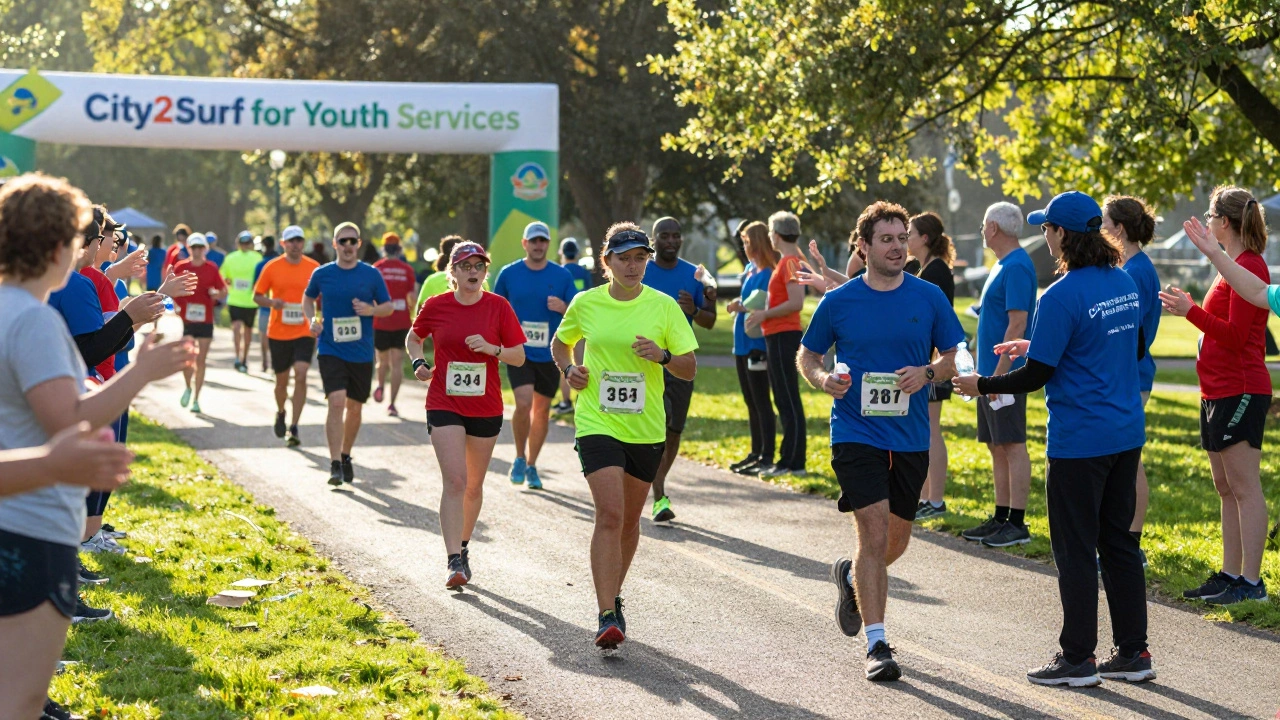
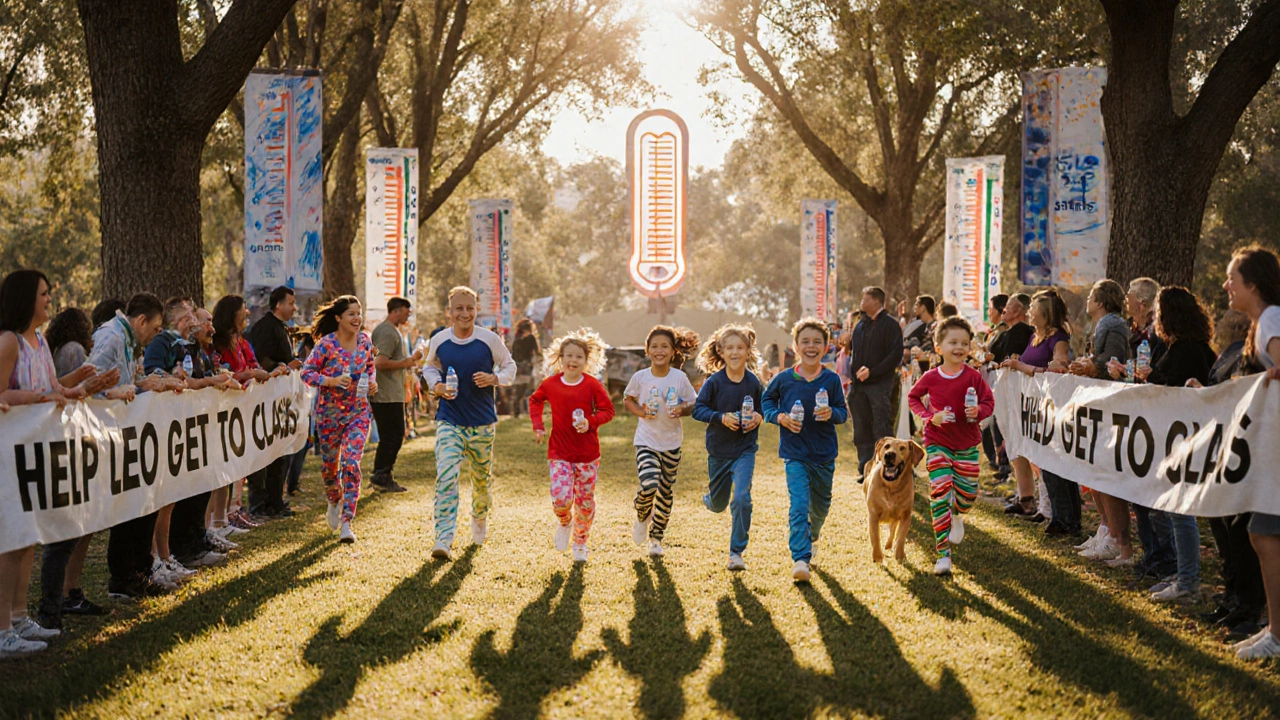
What makes a charity event stick? It’s not just the food or the music. It’s the volunteer outreach, the organized effort to bring people into the cause through clear roles and simple communication. Without it, even the flashiest gala falls flat. You need people who know how to talk to donors, manage logistics, and follow up—roles that are often ignored until it’s too late. And then there’s the event revenue, the actual money raised after costs, which tells you if the effort was worth it. A silent auction might bring in $20,000, but if you spent $15,000 on the venue and catering, you barely broke even. The most successful events focus on low-cost, high-engagement formats—like community walks, school wacky days, or local talent shows—that keep overhead low and participation high.
Some events win because they’re simple. A charity event that lasts 3 to 5 hours keeps energy up and avoids volunteer burnout. Others win because they’re specific—like a senior food drive in Virginia or a youth housing program in Arkansas—that gives people a clear reason to care. You don’t need a big budget. You need clarity. Who are you helping? What exactly does their support do? And how can someone get involved without feeling overwhelmed?
Below, you’ll find real examples of what works—how long events should run, which types bring in the most cash, how to assign roles so no one quits, and how to prove your volunteer work counts. No fluff. Just what you need to plan a charity event that actually moves the needle.