Getting Paid to Care for Elderly Parents in Massachusetts: A Complete Guide
Learn how to get paid for caring for an elderly parent in Massachusetts through MassHealth PCA, VA benefits, and self-directed care programs.
Read MoreWhen we talk about social welfare, government and community efforts to support people facing poverty, hunger, or homelessness. Also known as public assistance, it’s the safety net that keeps people from falling through the cracks when they’re out of work, sick, old, or homeless. This isn’t about handouts—it’s about keeping people fed, housed, and safe when life hits hard.
Homeless assistance, programs that provide shelter, food, and case management to people without stable housing is one of the most visible parts of social welfare. From rapid re-housing in Texas to shelter options in Richmond, KY, these programs don’t require perfect credit or a job—just need. And they work. A 78% success rate for Arkansas’s Start Smart Program proves that with the right support, youth can escape homelessness for good. Meanwhile, in Virginia, seniors get free meals delivered to their door, and in Massachusetts, elderly folks get help fixing broken stairs and leaky roofs so they can stay in their homes.
Food assistance, programs like SNAP and local food banks that give groceries or meals to people who can’t afford them is another lifeline. EBT cards in Virginia cover groceries, but not everything—you need to know what’s allowed. And while people often donate canned goods, the most requested item at shelters? Clean socks. That’s the kind of detail that matters. It’s not about what you think they need—it’s about what they actually ask for.
Some of the hardest questions aren’t about eligibility—they’re about legality. Can you legally feed someone on the street in Houston? Is it against the law to sleep in your car in certain states? The rules vary wildly, and getting them wrong can mean fines or worse. That’s why this collection doesn’t just list programs—it explains the real-world rules, risks, and workarounds.
You’ll find guides on how to get $300 fast if you’re stuck near a shelter, what not to put in care packages (yes, some things make things worse), and how to sleep safely in your car when you have nowhere else to go. There’s also hard data on income gaps by race, what counts as poor in Texas, and which states are making it harder for people to survive on the streets.
This isn’t a list of feel-good stories. It’s a practical toolkit. If you’re struggling, helping someone who is, or just trying to understand how these systems really work, you’ll find straight answers here—no jargon, no fluff, no fake promises. Just what’s real, what’s available, and how to get it.
Learn how to get paid for caring for an elderly parent in Massachusetts through MassHealth PCA, VA benefits, and self-directed care programs.
Read More
Contrary to popular belief, low-income households give a higher percentage of their income to charity than the wealthy. The real story of giving isn't about million-dollar donations - it's about sacrifice, consistency, and community.
Read More
Contrary to popular belief, people with lower incomes give a higher percentage of their earnings to charity than the wealthy. The real story of giving is about sacrifice, not wealth.
Read More
The World Food Programme feeds 88 million people annually-more than any other charity. Learn how it works, who else is in the game, and why cash donations beat food drives when it comes to global hunger relief.
Read More
The most successful homeless programs don’t just offer shelter-they give people stable housing, personalized support, and real pathways out of homelessness. Housing First, outreach teams, and family-based services are proving what works.
Read More
Learn how Australian families can get paid by the government to care for elderly or disabled loved ones through Carer Allowance and Carer Payment. Find out eligibility, how to apply, and what support is available.
Read More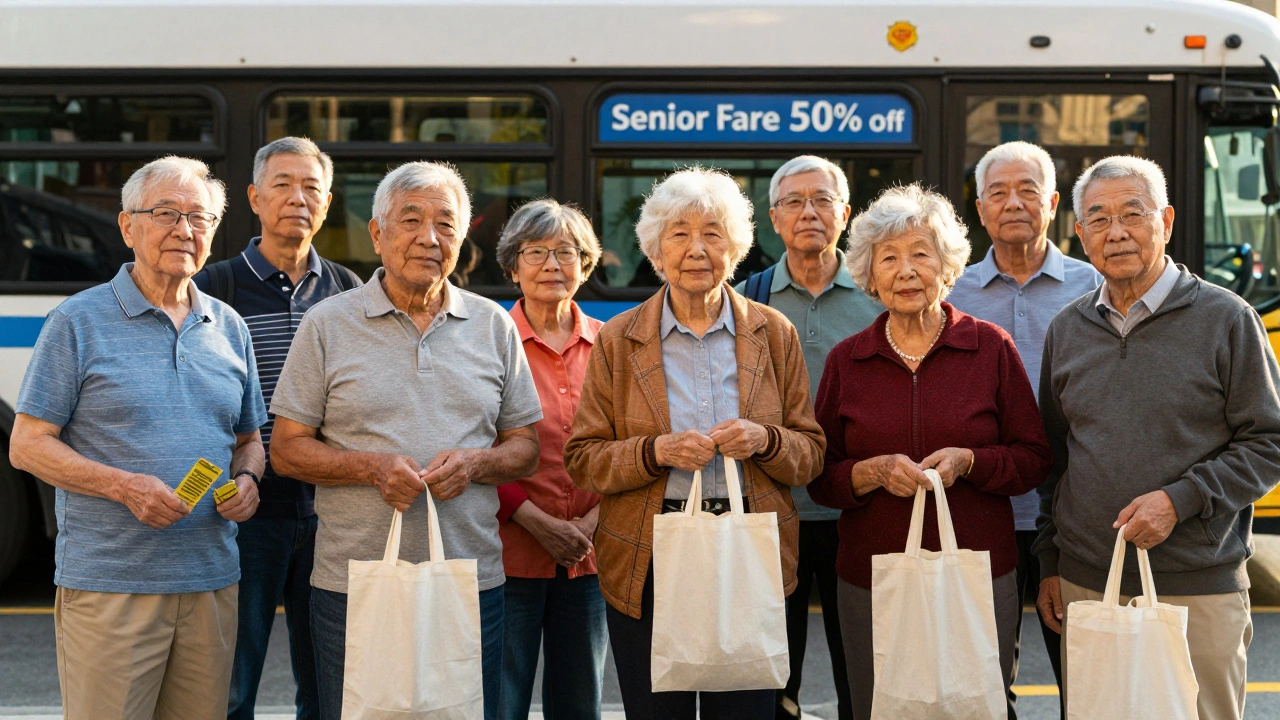
In Massachusetts, senior citizen status isn't one age-it's a ladder. Benefits start at 60 for transit and meals, 62 for tax relief, and 65 for Medicare. Knowing the differences saves money and access.
Read More
Learn where you can legally sleep in your car in Houston. This guide covers Safe Parking Houston locations, Walmart policies, safety tips, and alternatives like shelters. Stay informed to avoid fines and stay safe.
Read More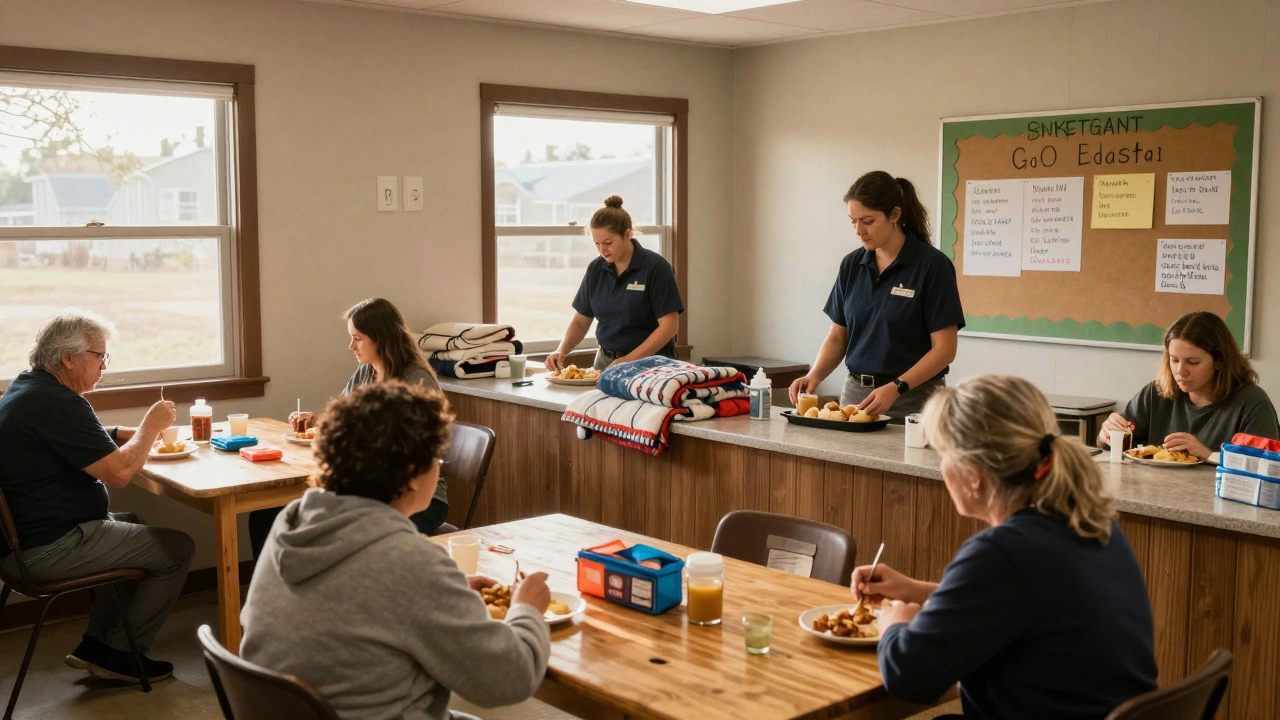
The GO Grant in Arkansas is state funding for nonprofits that help homeless individuals find shelter and stable housing. Learn how shelters apply, what the money covers, and how it changes lives.
Read More
The simplest form of charity doesn't need money or events-it's daily acts of presence, attention, and kindness that rebuild human connection and make people feel seen.
Read More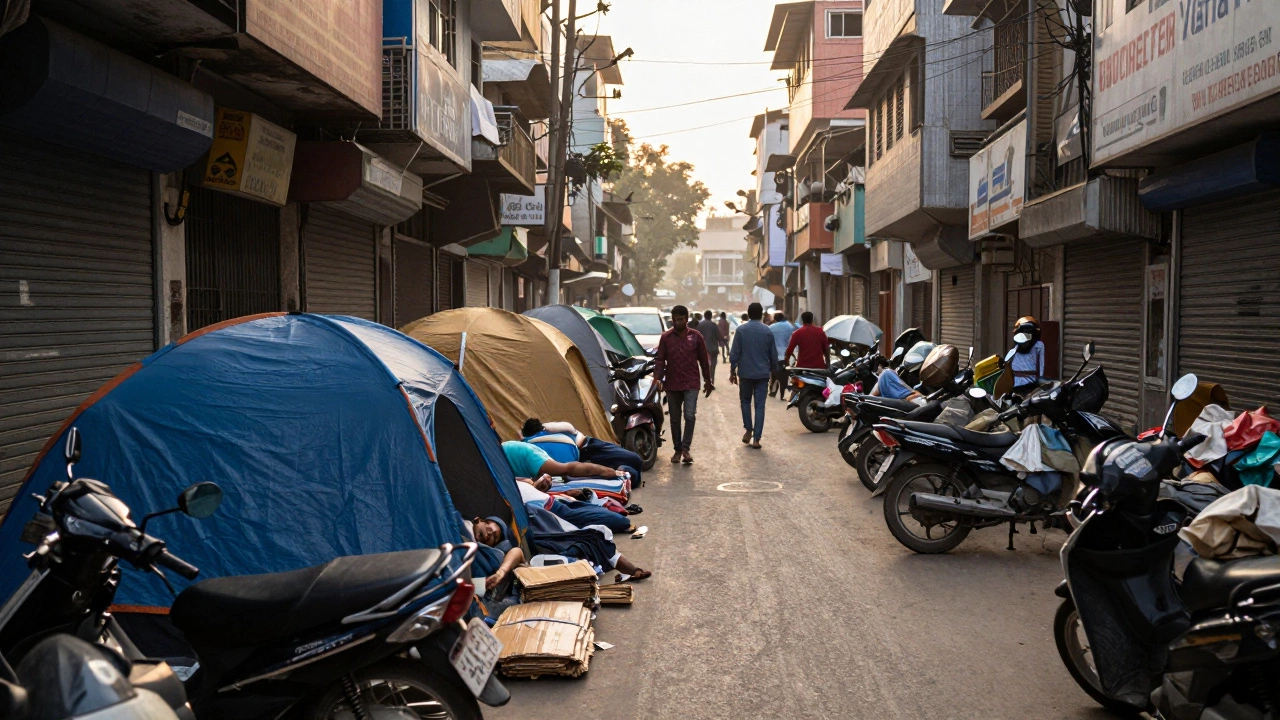
Most homeless people don't live on the streets - many are in shelters, cars, or couch-surfing. Learn where the majority actually live, why shelters aren't enough, and what's being done to fix it.
Read More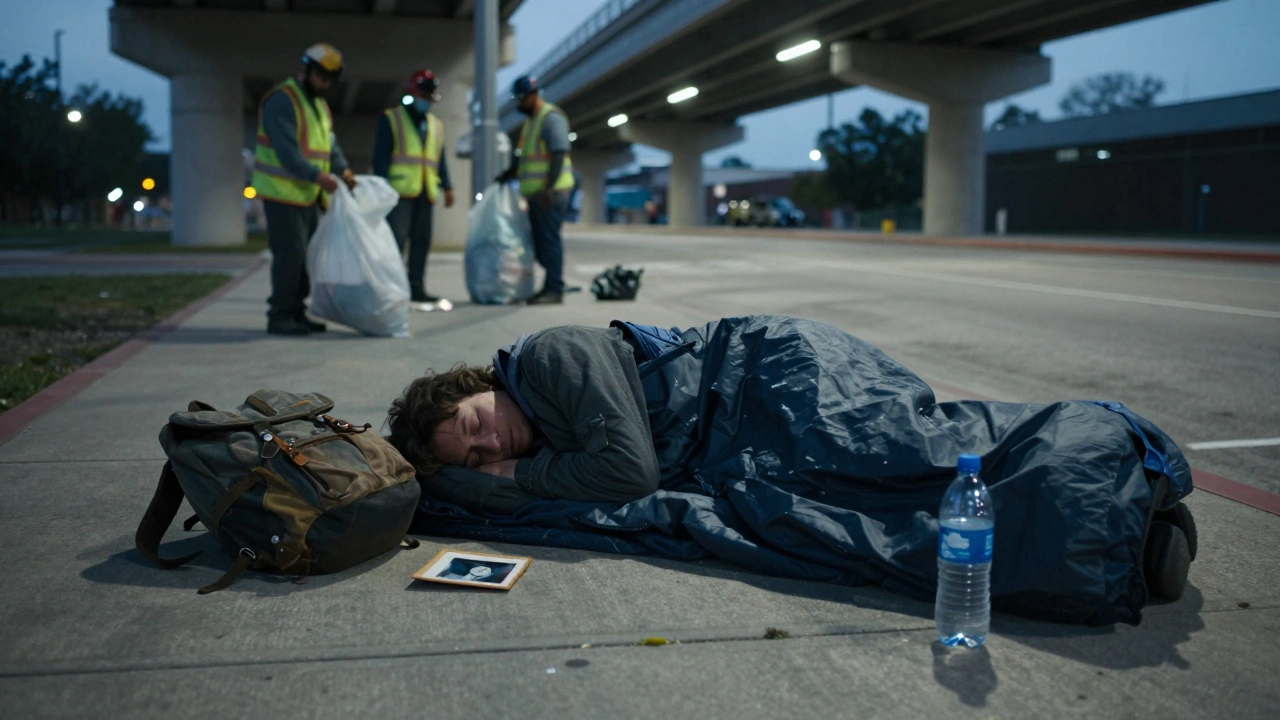
Texas passed new laws in 2025 that criminalize sleeping outside, begging, and camping-even when shelters are full. These policies push homeless people further into crisis instead of helping them find stability.
Read More