Ecosystems: How Community Actions Protect and Restore Natural Environments
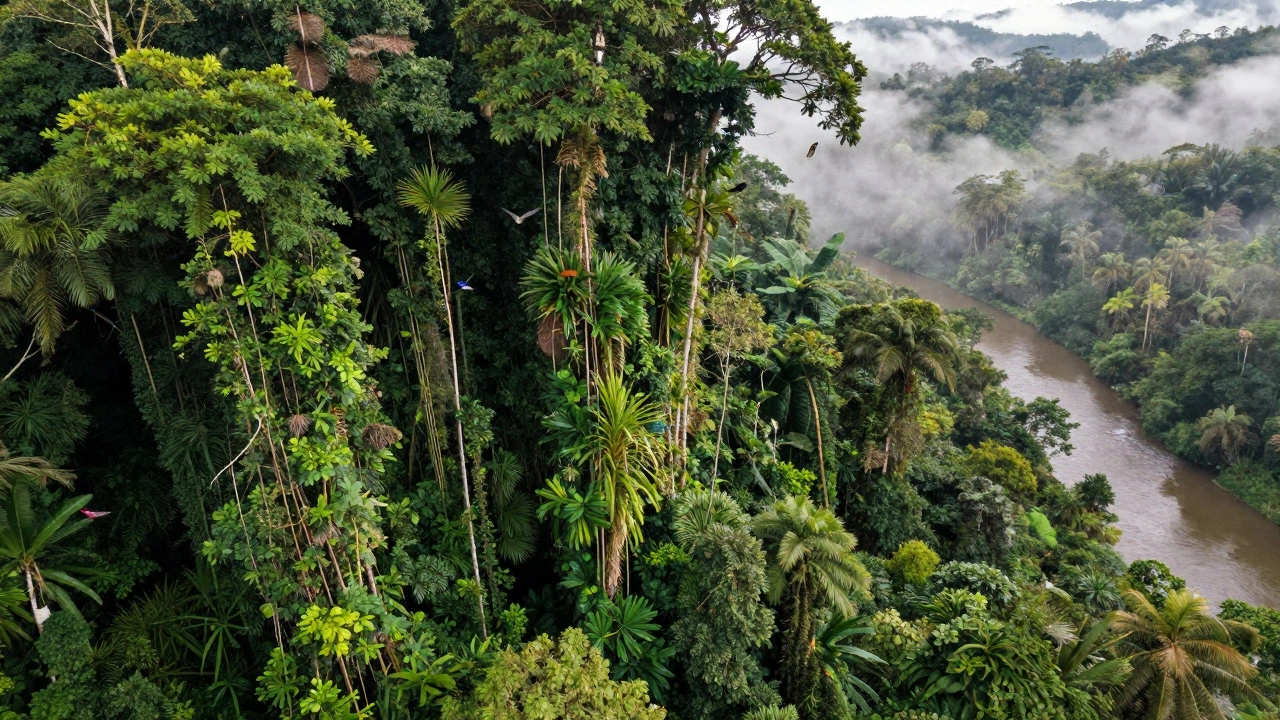
When we talk about ecosystems, interconnected communities of living organisms and their physical environment that sustain life on Earth. Also known as natural systems, they include forests, rivers, wetlands, and even urban green spaces—all of which depend on balance to survive. You don’t need a PhD to help them. Real change starts when people organize locally: planting native trees, cleaning up rivers, or pushing back against developers who destroy habitats.
Environmental groups, organized communities that work to protect nature through advocacy, education, and direct action. Also known as conservation organizations, they’re not just big names like the Sierra Club—they’re local volunteers in Texas turning abandoned lots into pollinator gardens, or groups in Virginia teaching seniors how to identify invasive species. These aren’t protests. They’re repairs. And they work. One study from the University of California found that community-led restoration projects had a 40% higher survival rate for planted trees than government-run ones. Why? Because locals know the land. They see the trash pile that keeps washing into the creek every spring. They remember when the frogs used to sing after rain.
Community activism, the practice of ordinary people coming together to solve local environmental problems. Also known as grassroots action, it’s what happens when someone says, "This shouldn’t be this way," and then actually does something about it. It’s not about hashtags. It’s about showing up. It’s the high school club that raised $12,000 to buy rain barrels for their town. It’s the retired teacher who started a weekly cleanup at the riverbank and got 30 neighbors to join. It’s the group in Arkansas that fought a landfill expansion by mapping groundwater flow with free apps and public records.
Ecosystems don’t need saviors. They need neighbors. They need people who show up with gloves, not speeches. The posts below aren’t about theory. They’re about what real people have done: how they built outreach teams to get volunteers, how they ran events that raised money for wetland restoration, how they found funding for food programs that also taught sustainable gardening. You’ll see how to turn a simple idea—like protecting a local pond—into a lasting project. No fancy tools. No big budget. Just clear steps, real examples, and the kind of practical advice you can start using tomorrow.